Struggling with the world spinning? Find out how your diet can offer natural relief.
Vertigo and dizziness can be debilitating, turning simple daily tasks into monumental challenges. The sensation of spinning, swaying, or lightheadedness can arise from various causes, many of which involve the delicate balance system within your inner ear, known as the vestibular system.
While severe cases often require medical intervention, a growing body of research suggests that certain natural dietary interventions can play a significant role in managing symptoms, promoting inner ear health, and improving overall balance. Understanding the connection between what you eat and how you feel can empower you to take proactive steps towards a more stable, symptom-free life.
The Nutritional Foundation for Vestibular Health
Your inner ear, responsible for hearing and balance, is a complex system that relies on a steady supply of nutrients to function optimally. Imbalances or deficiencies can disrupt its delicate mechanisms, leading to symptoms like vertigo and dizziness.
Adopting a diet rich in specific vitamins, minerals, and anti-inflammatory compounds can help support the health of your vestibular system, improve nerve function, regulate fluid balance, and even reduce the frequency and intensity of vertigo episodes. It's not a quick fix, but a sustained lifestyle change that can yield significant long-term benefits for your overall well-being and balance.
Key Nutrients for Dizziness and Vertigo Relief
Several nutrients have been identified as crucial for maintaining vestibular health and alleviating symptoms of vertigo. Ensuring you get enough of these through your diet or, if necessary, through supplementation, can be a game-changer.
1. Magnesium: The Muscle and Nerve Relaxer
Magnesium is an essential mineral involved in over 300 biochemical reactions in the body, including nerve function and muscle contraction. It plays a vital role in regulating blood pressure and blood sugar, both of which can impact dizziness. Furthermore, magnesium can help relax blood vessels, potentially improving blood flow to the inner ear. Studies have shown that magnesium deficiency can exacerbate symptoms in individuals with certain types of vertigo, particularly Meniere's disease. Foods rich in magnesium include leafy green vegetables (spinach, kale), nuts and seeds (almonds, cashews, pumpkin seeds), legumes (black beans, lentils), whole grains (brown rice, oats), and dark chocolate.
2. Potassium: Electrolyte Balance for Inner Ear Fluids
Potassium is a crucial electrolyte that works in tandem with sodium to maintain fluid balance in the body, including the inner ear. The inner ear's fluid dynamics are critical for balance, and disruptions can lead to vertigo. Maintaining adequate potassium levels can help prevent fluid retention and regulate the pressure within the vestibular system. Excellent sources of potassium are bananas, potatoes (with skin), sweet potatoes, avocados, spinach, coconut water, and oranges.
3. B Vitamins (B6 and B12): Nerve Health and Blood Flow
B vitamins are vital for nerve health and energy production. Specifically, Vitamin B6 (pyridoxine) and B12 (cobalamin) have been linked to improved neurological function and reduced dizziness. Vitamin B6 can help alleviate nausea often associated with vertigo, while B12 is crucial for maintaining the myelin sheath that protects nerve fibers, ensuring proper signal transmission. Deficiencies in B12, common in older adults, can lead to neurological symptoms including dizziness and balance problems. Include foods like poultry, fish, eggs, milk, fortified cereals, and lean meats (for B12) and chickpeas, salmon, tuna, and chicken breast (for B6) in your diet.
4. Vitamin D: Bone Health and Vestibular Function
Often associated with bone health, Vitamin D also plays a lesser-known but significant role in vestibular function. Some research suggests a link between Vitamin D deficiency and Benign Paroxysmal Positional Vertigo (BPPV), a common cause of vertigo. It's believed that Vitamin D helps regulate calcium metabolism, which is essential for the otoconia (calcium carbonate crystals) in the inner ear. Good sources of Vitamin D include fatty fish (salmon, mackerel, tuna), fortified milk and cereals, and egg yolks. Sunlight exposure is also a primary way our bodies produce Vitamin D.
5. Ginger: Nature's Anti-Nausea and Anti-Inflammatory Agent
Ginger has been used for centuries as a natural remedy for nausea and motion sickness, making it highly relevant for vertigo sufferers. Its active compounds, gingerols, have potent anti-inflammatory and anti-nausea properties. Consuming ginger, whether as fresh root, tea, or in supplement form, can help calm the stomach and reduce the sensation of spinning. Incorporate fresh ginger into your cooking, steep it for tea, or chew on candied ginger for quick relief.
6. Ginkgo Biloba: Enhancing Blood Flow to the Brain
While not a food, Ginkgo Biloba is a popular herbal extract often discussed in the context of improving cognitive function and circulation. It is believed to enhance blood flow to the brain and inner ear, which can be beneficial for individuals experiencing vertigo due to poor circulation. While more research is needed, many report relief from dizziness and tinnitus with regular use. It's often found in supplement form.
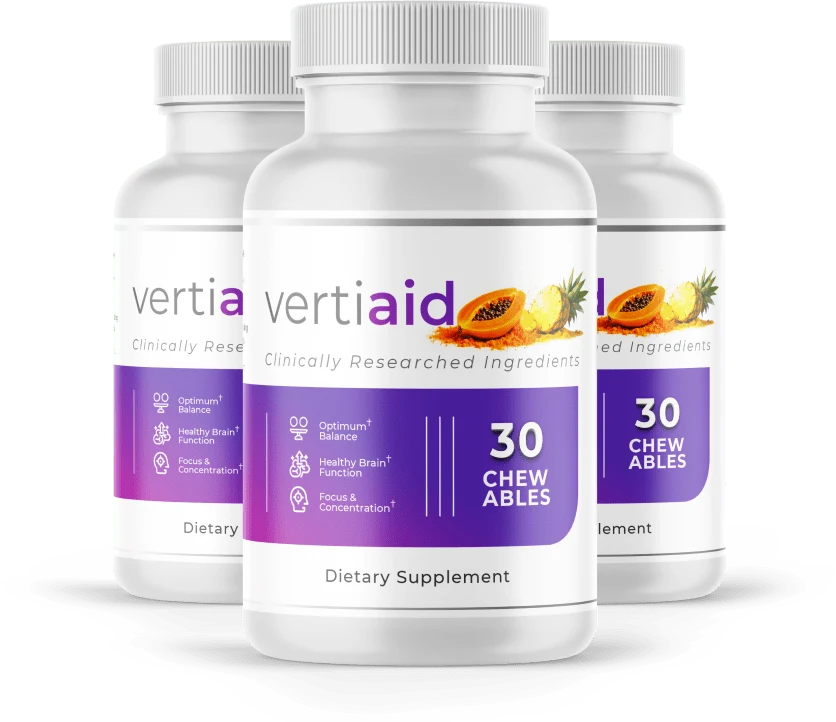
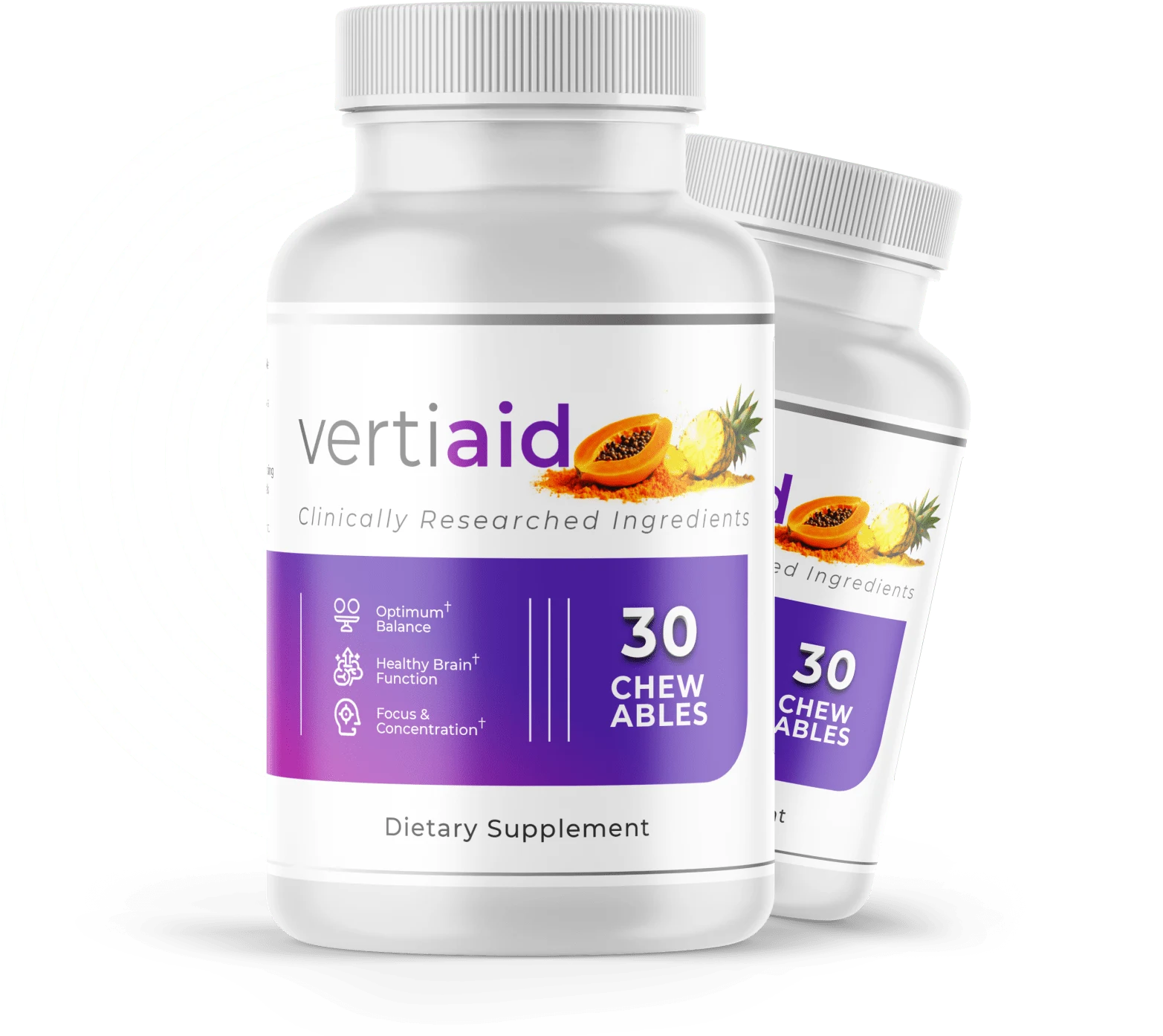
For those looking for a comprehensive solution that includes many of these beneficial ingredients, a supplement like Vertiaide can offer a convenient way to ensure consistent intake. Many people find it challenging to get optimal levels of all these nutrients from diet alone, especially with busy lifestyles or dietary restrictions. A carefully formulated supplement can help bridge these nutritional gaps and support overall vestibular health.
Foods to Focus On for Vertigo Relief
Beyond specific nutrients, certain categories of food can broadly support your goal of reducing vertigo and dizziness.
Hydrating Foods and Electrolytes
Dehydration is a common trigger for dizziness and can exacerbate vertigo. Ensuring adequate fluid intake is paramount. Beyond plain water, consuming foods with high water content and natural electrolytes can be very beneficial.
- Water: The most fundamental. Aim for 8-10 glasses daily.
- Cucumbers, Watermelon, Celery: High water content, refreshing, and often contain natural electrolytes.
- Broths: Vegetable or bone broths can provide hydration and essential minerals.
- Coconut Water: A natural source of electrolytes like potassium, magnesium, and sodium.
Anti-Inflammatory Foods
Inflammation, particularly in the inner ear, can contribute to vertigo. An anti-inflammatory diet can help reduce this.
- Fatty Fish: Salmon, mackerel, sardines are rich in Omega-3 fatty acids, powerful anti-inflammatory agents.
- Berries: Blueberries, strawberries, raspberries are packed with antioxidants that fight inflammation.
- Leafy Greens: Spinach, kale, collard greens are high in vitamins and antioxidants.
- Turmeric: Contains curcumin, a potent anti-inflammatory compound.
Whole Grains and Lean Proteins
Maintaining stable blood sugar levels is crucial, as fluctuations can trigger dizziness. Whole grains provide sustained energy, while lean proteins help regulate blood sugar.
- Whole Grains: Oats, brown rice, quinoa, whole wheat bread provide complex carbohydrates.
- Lean Proteins: Chicken, turkey, fish, beans, lentils, tofu offer sustained energy without blood sugar spikes.
Foods and Habits to Limit or Avoid
Just as certain foods can help, others can worsen vertigo symptoms. Being mindful of these can make a significant difference.
- High-Sodium Foods: Excessive sodium intake can disrupt fluid balance in the body, including the inner ear, potentially exacerbating Meniere's disease and other fluid-related vestibular issues. Limit processed foods, canned goods, and excessive salt.
- Caffeine: While some find a small amount of caffeine helpful, too much can act as a diuretic and vasoconstrictor, potentially affecting blood flow and hydration. It can also trigger anxiety, which can worsen dizziness.
- Alcohol: Alcohol can directly affect the central nervous system and inner ear, causing dehydration and altering fluid viscosity, leading to dizziness and impaired balance.
- High-Sugar Foods and Refined Carbohydrates: These can cause rapid spikes and drops in blood sugar, leading to lightheadedness and dizziness. Opt for complex carbohydrates and natural sugars in moderation.
- Artificial Sweeteners and MSG: Some individuals report increased dizziness or headaches after consuming artificial sweeteners or MSG. While not universally proven, it's worth observing if these affect you.
Beyond Diet: Holistic Approaches to Vertigo Management
While diet is a powerful tool, it's part of a larger strategy for managing vertigo and dizziness.
- Hydration: As mentioned, drinking enough water throughout the day is non-negotiable.
- Regular, Gentle Exercise: Activities like walking, tai chi, or specific vestibular rehabilitation exercises can help retrain your brain to compensate for inner ear issues.
- Stress Management: Stress and anxiety can trigger or worsen vertigo. Practices like meditation, deep breathing, and yoga can be highly beneficial.
- Adequate Sleep: Poor sleep patterns can disrupt bodily functions and make you more susceptible to dizziness.
- Consult Your Doctor: Always seek professional medical advice for persistent or severe vertigo to rule out serious underlying conditions and receive appropriate treatment.
💡 Key Takeaway
Adopting a balanced diet rich in magnesium, potassium, B vitamins, Vitamin D, and anti-inflammatory compounds, while staying well-hydrated and avoiding triggers like high sodium, excessive caffeine, and alcohol, can significantly help in naturally reducing vertigo and dizziness symptoms. Consider a high-quality supplement to fill nutritional gaps.
Benefits of a Vertigo-Friendly Diet
Embracing a diet tailored to support vestibular health offers a multitude of advantages beyond just reducing dizziness. These benefits contribute to overall well-being and a more stable, comfortable life.
Improved Vestibular Function
By providing essential nutrients like B vitamins, magnesium, and Vitamin D, a vertigo-friendly diet directly supports the delicate structures and nerve pathways of the inner ear, helping them function more efficiently and accurately. This can lead to a reduction in the frequency and intensity of vertigo episodes.
Enhanced Fluid Balance
Proper hydration and electrolyte balance (especially potassium and sodium) are critical for regulating fluid pressure within the inner ear. A targeted diet helps maintain this delicate balance, which is particularly important for conditions like Meniere's disease, reducing symptoms of fullness and pressure.
Reduced Inflammation
Foods rich in antioxidants and Omega-3 fatty acids help combat systemic inflammation, which can sometimes contribute to inner ear irritation and exacerbate vertigo symptoms. A less inflamed body is better equipped to manage and recover from vestibular disturbances.
Stable Blood Sugar Levels
Avoiding rapid fluctuations in blood sugar, often caused by refined carbohydrates and sugary snacks, helps prevent lightheadedness and faintness that can mimic or worsen dizziness. A diet focused on whole grains and lean proteins provides sustained energy.
Better Nerve Health
Nutrients such as B vitamins are fundamental for healthy nerve function, including the vestibular nerve that transmits balance information to the brain. Optimizing these nutrients supports robust nerve communication, crucial for accurate balance perception.
Overall Well-being and Energy
A nutrient-dense diet not only targets vertigo but also boosts overall health, energy levels, and mood. Feeling better physically and mentally can significantly improve your resilience and ability to cope with chronic conditions like vertigo.
Holistic Strategies for Long-Term Balance
Managing vertigo and dizziness effectively often requires a multi-faceted approach. Beyond specific foods, integrating a range of lifestyle habits can significantly enhance your body's natural ability to maintain balance and reduce symptoms.
Prioritize Hydration
Consistent water intake is non-negotiable. Dehydration can quickly lead to imbalances in blood pressure and inner ear fluid, triggering or worsening dizziness. Keep a water bottle handy and sip throughout the day.
Adopt an Anti-Inflammatory Diet
Focus on whole, unprocessed foods. Rich in fruits, vegetables, lean proteins, and healthy fats, this diet helps reduce systemic inflammation that can impact inner ear health and overall well-being.
Balance Blood Sugar
Avoid sugary snacks and refined carbohydrates that cause blood sugar spikes and crashes. Opt for complex carbohydrates and regular, balanced meals to maintain stable energy levels and prevent dizziness.
Support Gut Health
A healthy gut microbiome is linked to overall health, including neurological function. Incorporate probiotics (fermented foods) and prebiotics (fiber-rich foods) to foster a thriving gut environment.
Regular, Gentle Movement
Engage in activities like walking, yoga, or tai chi. These help improve proprioception, strengthen core muscles, and enhance the brain's ability to process balance signals, even if you start slowly.
Manage Stress Effectively
Chronic stress and anxiety can exacerbate vertigo. Incorporate relaxation techniques such as meditation, deep breathing exercises, or spending time in nature to calm your nervous system.
Key Ingredients in Vertiaide Supporting Vestibular Health
Vertiaide is formulated with a synergistic blend of natural ingredients, many of which align with the dietary recommendations for reducing vertigo and dizziness. These compounds are chosen for their scientifically-backed roles in supporting inner ear health, circulation, and nerve function.
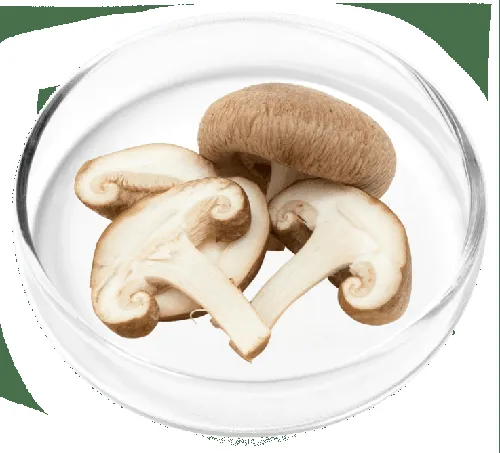
Ginkgo Biloba
Role: Known for its ability to improve blood circulation, especially to the brain and inner ear, which can significantly reduce dizziness and tinnitus associated with poor blood flow.
Suggested: 120-240mg daily
Ginger Root
Role: A powerful anti-nausea and anti-inflammatory agent, ginger helps alleviate the stomach upset and spinning sensations often accompanying vertigo, promoting overall digestive comfort.
Suggested: 500-1000mg daily
Vitamin D3
Role: Essential for calcium regulation and bone health, Vitamin D3 plays a crucial role in the proper functioning of the otoconia (inner ear crystals), which are vital for balance, particularly in BPPV.
Suggested: 2000-5000 IU daily
Magnesium
Role: Involved in nerve transmission and muscle relaxation, magnesium helps regulate blood flow, stabilize blood pressure, and support overall neurological function, reducing dizziness and headaches.
Suggested: 200-400mg daily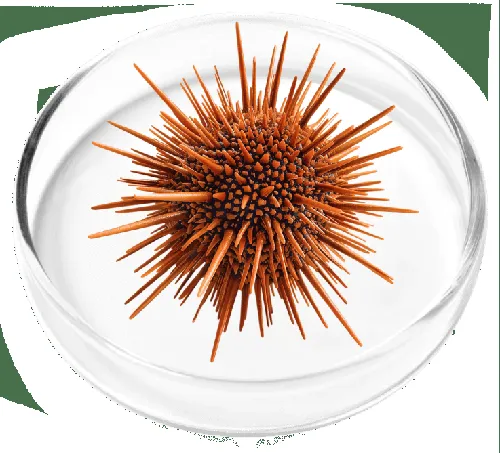
Potassium
Role: A key electrolyte crucial for maintaining fluid balance within the body, including the delicate fluids of the inner ear, helping to regulate pressure and prevent symptoms like vertigo and fullness.
Suggested: 99-200mg daily (from supplement)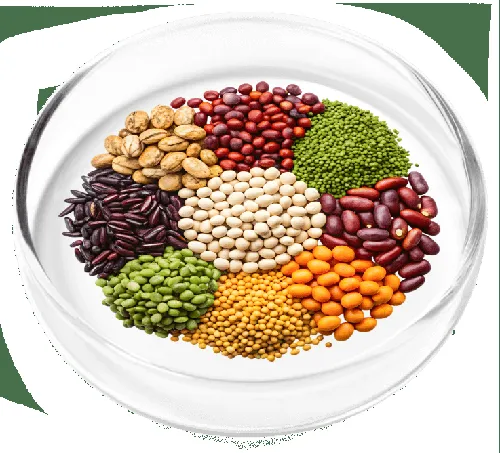
Vitamin B6 (Pyridoxine)
Role: Supports nervous system health and can be effective in reducing nausea and vomiting, common companions of vertigo and motion sickness, while aiding neurotransmitter production.
Suggested: 25-50mg daily
Vitamin B12 (Cobalamin)
Role: Essential for nerve health and the formation of red blood cells, a deficiency in B12 can lead to neurological symptoms including dizziness and balance disturbances. Supports myelin sheath integrity.
Suggested: 500-1000mcg daily
Coenzyme Q10 (CoQ10)
Role: A powerful antioxidant vital for cellular energy production. It supports cardiovascular health and may improve blood flow to the inner ear, protecting against oxidative stress and enhancing cellular function.
Suggested: 100-200mg dailyThese ingredients, carefully combined in Vertiaide, are designed to work synergistically to address multiple facets of vestibular health, offering comprehensive support for those seeking relief from vertigo and dizziness. Always consult your healthcare provider before starting any new supplement regimen, especially if you have existing health conditions or are taking other medications. For more detailed information, you can also refer to Vertiaide reviews 2026 to see what others are experiencing.
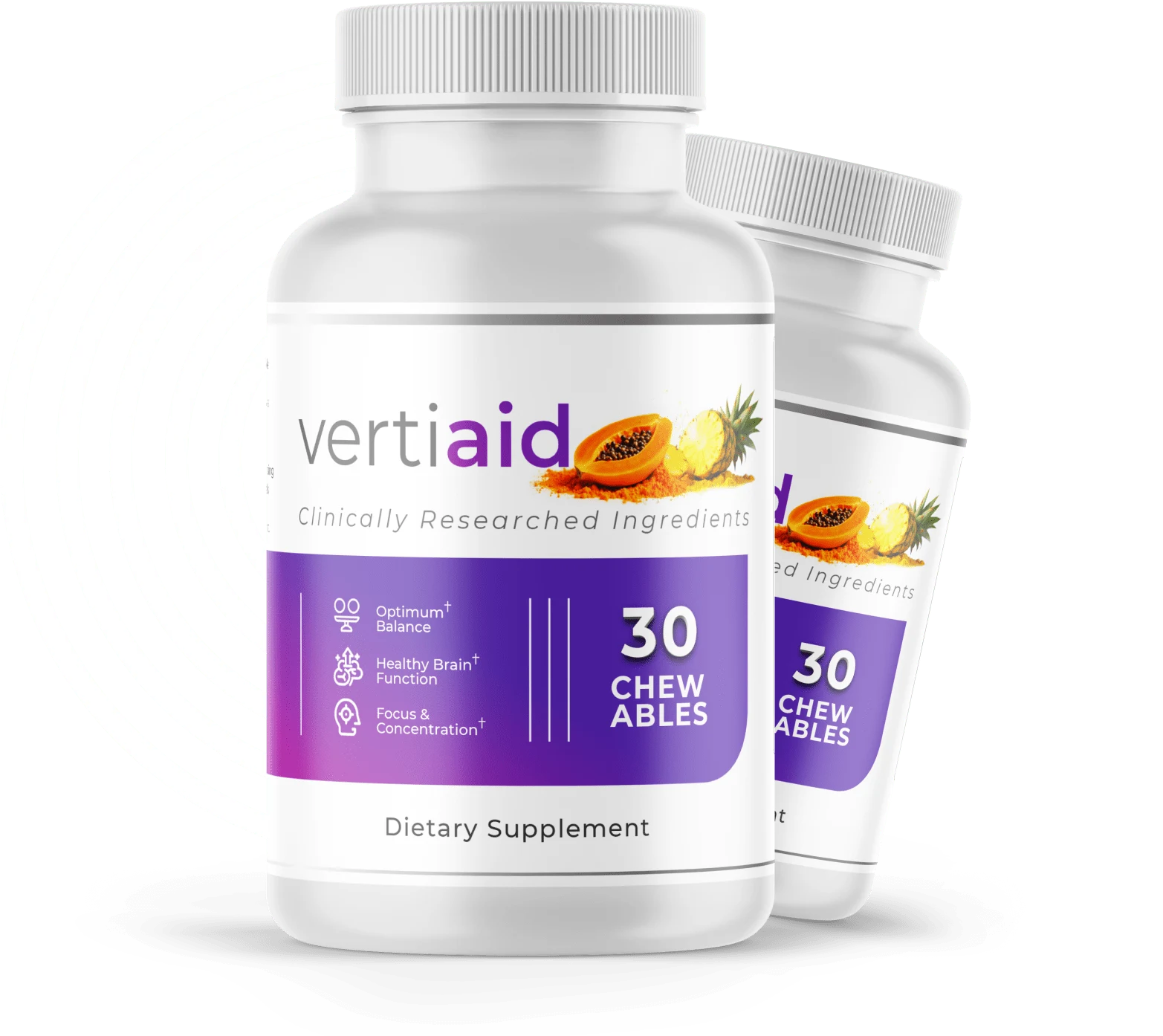
Ready to Take Control of Your Balance?
While dietary changes are foundational, supplementing with a high-quality, targeted formula like Vertiaide can provide comprehensive support for your vestibular system. Don't let vertigo and dizziness dictate your life any longer.
- ✓ Supports Inner Ear Health & Fluid Balance
- ✓ Enhances Blood Flow & Nerve Function
- ✓ Reduces Dizziness & Spinning Sensations
- ✓ 100% Natural, Non-GMO Ingredients
- ✓ Made in USA, GMP Certified Facility




Hear From Those Who Found Relief
"I've struggled with vertigo for years, making simple tasks impossible. Since adjusting my diet and adding Vertiaide, the spinning has significantly decreased. I feel more stable and confident, it's truly life-changing!"
"My doctor suggested looking into nutritional support for my chronic dizziness. After a few weeks of focusing on the foods mentioned here and taking Vertiaide, I've noticed a remarkable difference in my daily balance and overall energy. Highly recommend!"
"I was skeptical at first, but the combination of dietary changes and Vertiaide has truly given me my life back. No more sudden dizzy spells, and I can enjoy my hobbies again without fear. It's a fantastic natural approach."
Frequently Asked Questions
What foods should I eat to reduce vertigo?
+Focus on foods rich in magnesium (leafy greens, nuts), potassium (bananas, potatoes), B vitamins (whole grains, eggs), and Vitamin D (fatty fish, fortified foods). Hydrating foods like cucumbers and watermelon are also beneficial, as are anti-inflammatory foods like ginger and turmeric.
Are there foods I should avoid with dizziness?
+It's often recommended to limit or avoid high-sodium processed foods, excessive caffeine, alcohol, high-sugar snacks, and foods with artificial sweeteners. These can sometimes trigger or worsen dizziness by affecting fluid balance or blood sugar levels.
How important is hydration for vertigo?
+Hydration is extremely important. Dehydration can significantly worsen dizziness and vertigo symptoms by impacting blood pressure and fluid balance within the inner ear. Aim for adequate water intake throughout the day, and consider electrolyte-rich fluids if advised by a healthcare professional.
Can supplements like Vertiaide help fill nutritional gaps?
+Yes, for individuals who struggle to get sufficient amounts of key nutrients through diet alone, a high-quality supplement formulated for vestibular health, such as Vertiaide, can be a beneficial addition. It can help ensure your body receives the necessary vitamins, minerals, and herbal extracts known to support balance and reduce vertigo.
How quickly can diet changes impact vertigo?
+The speed of improvement can vary greatly depending on the individual, the underlying cause of their vertigo, and the consistency of dietary changes. Some people may notice subtle improvements within a few weeks, while for others, it might take several months to experience significant relief. Consistency is key.
When should I see a doctor for vertigo?
+You should consult a doctor if your vertigo is severe, persistent, or accompanied by other concerning symptoms like sudden hearing loss, ringing in the ears, double vision, weakness, numbness, difficulty speaking, or a severe headache. These could indicate a more serious underlying condition.
Related Articles