Tired of the world spinning out of control?
Vertigo attacks can be profoundly disruptive, turning simple daily tasks into daunting challenges. The sudden sensation of spinning, swaying, or tilting, often accompanied by nausea and loss of balance, can leave you feeling helpless and anxious about when the next episode might strike. While conventional medical treatments offer relief for many, a growing number of individuals are seeking natural, holistic approaches to manage and prevent these debilitating attacks.
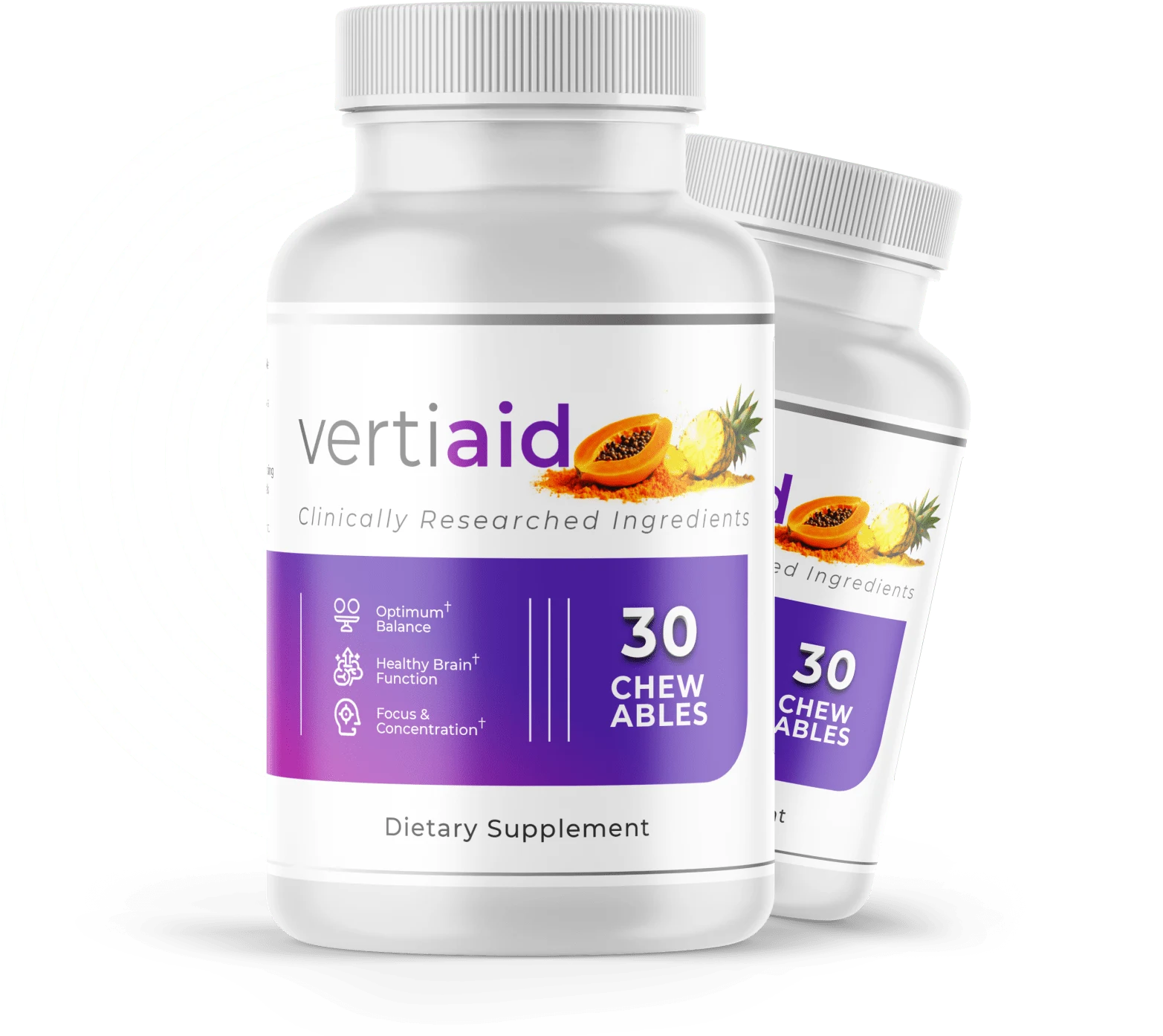
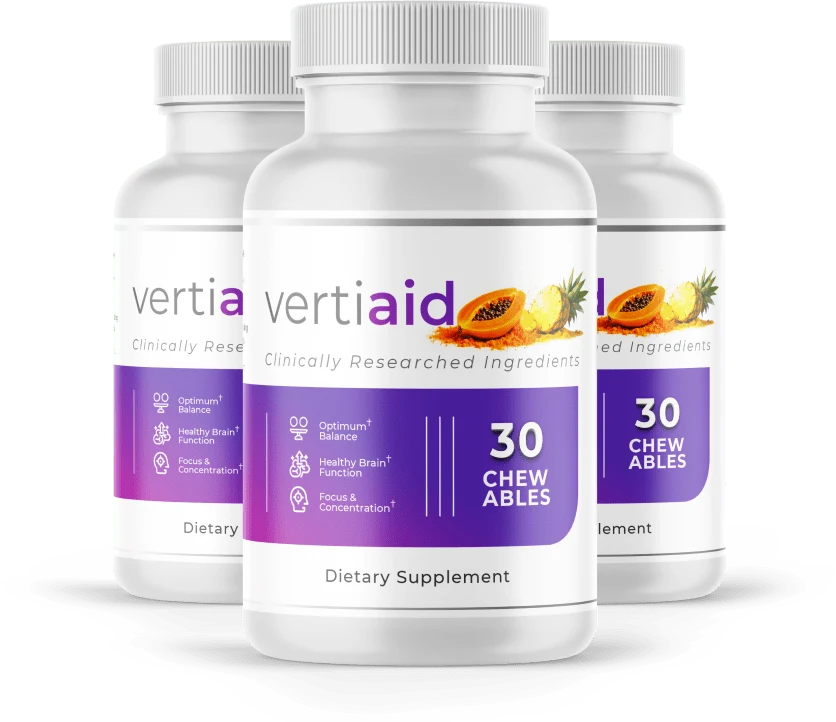
This comprehensive guide, authored by a Vestibular Health Researcher and reviewed by a Board-Certified ENT Specialist, explores a range of natural strategies, from dietary adjustments and targeted exercises to stress management techniques. We'll delve into how these methods can support your vestibular system and restore your sense of balance. We'll also introduce you to Vertiaide, a natural supplement designed to complement these efforts, offering a gentle yet powerful solution to help you reclaim stability and confidence in your daily life.
Understanding Vertigo: More Than Just Dizziness
Before we delve into natural solutions, it's crucial to understand what vertigo truly is and how it differs from general dizziness. This foundational knowledge empowers you to seek the right kind of relief.
Vertigo is not merely lightheadedness; it's a specific type of dizziness characterized by a sensation of spinning, whirling, or tilting. You might feel like you're spinning, or that the world around you is spinning. This disorienting feeling often stems from issues within the vestibular system, which includes the inner ear and its connections to the brain, responsible for processing sensory information about motion, head position, and spatial orientation. When this intricate system malfunctions, it sends conflicting signals to the brain, leading to the profound sensation of vertigo.
Common causes of vertigo include: Benign Paroxysmal Positional Vertigo (BPPV), where tiny calcium crystals (otoconia) become dislodged in the inner ear's semicircular canals; Meniere's Disease, an inner ear disorder causing fluid buildup; Vestibular Neuritis or Labyrinthitis, inner ear infections or inflammation; and sometimes, central nervous system issues like migraines or strokes. Understanding these distinctions is the first step towards effective natural management.
💡 Key Takeaway
Vertigo is a specific spinning sensation, distinct from general dizziness, typically originating from inner ear or vestibular system imbalances. Identifying the underlying cause is key to effective natural treatment.
Immediate Relief: What to Do During a Vertigo Attack
When a vertigo attack strikes, the immediate priority is to ensure safety and minimize discomfort. Knowing how to react can prevent falls and help you regain composure.
The sudden onset of vertigo can be terrifying. Your first instinct should be to find a safe place to sit or lie down. Avoid standing or walking, as this increases the risk of falling and injury. If you're standing, carefully lower yourself to the floor or find a sturdy chair. Keep your head still and focus on a fixed point in front of you. Closing your eyes can sometimes exacerbate the spinning sensation, as it removes visual anchors. Instead, try to maintain a soft gaze.
Deep, slow breathing exercises can help manage the anxiety and nausea often associated with vertigo. Inhale slowly through your nose, hold for a few seconds, and exhale slowly through your mouth. This can calm your nervous system. Some people find relief by applying a cool compress to their forehead or neck. Avoiding bright lights, loud noises, and sudden head movements is also crucial during an attack. Remember, these are immediate coping strategies; for long-term prevention, a more holistic approach is necessary.
Long-Term Prevention: Lifestyle and Dietary Changes
Preventing vertigo attacks often involves making sustainable changes to your daily habits. These lifestyle and dietary adjustments can significantly improve your vestibular health and reduce the frequency and intensity of episodes.
Hydration is Key
Dehydration can lead to imbalances in fluid and electrolyte levels, potentially affecting the delicate fluid balance within the inner ear. Aim to drink at least 8-10 glasses of water daily. Herbal teas, especially ginger tea, can also contribute to hydration while offering additional soothing benefits.
Dietary Adjustments
Certain foods and substances can trigger or worsen vertigo. Reduce your intake of high-sodium foods, which can cause fluid retention and pressure changes in the inner ear. Limit caffeine and alcohol, as they can dehydrate and disrupt blood flow. Avoid processed foods, artificial sweeteners, and excessive sugar. Instead, focus on a whole-foods diet rich in fruits, vegetables, lean proteins, and healthy fats. Some individuals find relief by reducing dairy or gluten if they suspect sensitivities.
Manage Stress and Anxiety
Stress and anxiety are well-known triggers for vertigo attacks, as they can heighten nervous system sensitivity and muscle tension. Incorporate stress-reduction techniques into your daily routine, such as meditation, yoga, deep breathing exercises, or spending time in nature. Ensuring adequate sleep (7-9 hours per night) is also vital for overall neurological health and stress management.
Regular, Gentle Exercise
While intense exercise might be challenging, gentle physical activity can improve circulation and overall well-being. Activities like walking, tai chi, or gentle stretching can help improve balance and coordination over time. Always listen to your body and avoid movements that provoke dizziness.
Improve Sleep Hygiene
Poor sleep can significantly impact vertigo. Establish a consistent sleep schedule, create a dark and quiet sleep environment, and avoid screens before bed. Consider a firm pillow that supports your neck and head to prevent sudden movements during sleep that could dislodge inner ear crystals, particularly for those with BPPV.
Targeted Exercises for Vestibular Health
Specific exercises can retrain your brain to better process signals from your vestibular system, significantly reducing vertigo symptoms and improving balance.
Vestibular rehabilitation therapy (VRT) is a specialized form of physical therapy designed to improve balance and reduce dizziness-related problems. These exercises are tailored to your specific condition, but common approaches include: Gaze Stabilization Exercises, which help you maintain a clear vision while moving your head; Habituation Exercises, designed to reduce dizziness through repeated exposure to specific movements; and Balance Training Exercises, which improve steadiness and reduce fall risk. For conditions like BPPV, specific maneuvers such as the Epley maneuver (often performed by a physical therapist or doctor) are highly effective in repositioning displaced otoconia.
It's important to perform these exercises under the guidance of a qualified healthcare professional, as incorrect execution can sometimes worsen symptoms. Consistency is key; performing these exercises regularly can lead to remarkable improvements in your ability to cope with vertigo and prevent future attacks. While these exercises are powerful, combining them with nutritional support can offer even greater benefits.
For more specific insights into these practices, you might find our article on Natural Treatments & Supplements for BPPV Vertigo particularly helpful.
Holistic Approaches to Vertigo Management
Herbal Remedies
Certain herbs have been used for centuries to address symptoms related to dizziness and nausea. Ginger is widely recognized for its anti-nausea properties and ability to improve digestion. Ginkgo Biloba is another popular herb, often studied for its potential to improve blood flow to the brain and inner ear, which can be beneficial for vestibular function. These natural options offer a gentle way to support your body's balance mechanisms.
Acupuncture and Acupressure
Traditional Chinese Medicine offers acupuncture and acupressure as methods to restore balance within the body's energy pathways. Specific pressure points are believed to alleviate vertigo symptoms by improving circulation, reducing inflammation, and calming the nervous system. While more research is needed, many individuals report significant relief from these complementary therapies.
Mindfulness and Meditation
Given the strong link between stress, anxiety, and vertigo, mindfulness and meditation practices can be invaluable. These techniques teach you to observe your thoughts and sensations without judgment, reducing the emotional impact of vertigo attacks. Regular practice can lower overall stress levels, potentially reducing the frequency and severity of episodes.
Nutritional Support
Beyond general dietary changes, targeted nutritional support can make a difference. Deficiencies in certain vitamins and minerals, such as Vitamin D, B vitamins, and Magnesium, have been linked to vestibular dysfunction. Ensuring adequate intake through diet and high-quality supplements can fortify your body's ability to maintain balance and prevent attacks.
The Role of Natural Supplements in Vertigo Management
While lifestyle changes and exercises form the bedrock of natural vertigo prevention, targeted natural supplements can provide additional support, addressing nutritional gaps and enhancing the body's innate ability to maintain balance.
The intricate mechanisms of the vestibular system rely on a complex interplay of nutrients and healthy cellular function. Modern diets, stress, and environmental factors can sometimes deplete our bodies of essential components needed for optimal inner ear health and neurological communication. This is where high-quality natural supplements come into play. They are designed to deliver concentrated doses of beneficial compounds that might be difficult to obtain solely through diet, or to provide specific therapeutic effects.
Ingredients like ginger, known for its anti-nausea properties, or Ginkgo Biloba, which supports cerebral blood flow, are often found in vertigo support formulas. Vitamins such as Vitamin D and B-complex vitamins, and minerals like magnesium, play crucial roles in nerve function, bone health (relevant for BPPV), and overall cellular energy. When chosen carefully and used as part of a comprehensive approach, these supplements can significantly contribute to reducing vertigo symptoms and improving quality of life. It's about providing your body with the best tools to heal and maintain equilibrium naturally.
For more information on specific products, you can explore our detailed review on the Best Natural Supplements for Vertigo Relief in 2026.
Vertiaide: A Natural Approach to Vertigo Relief
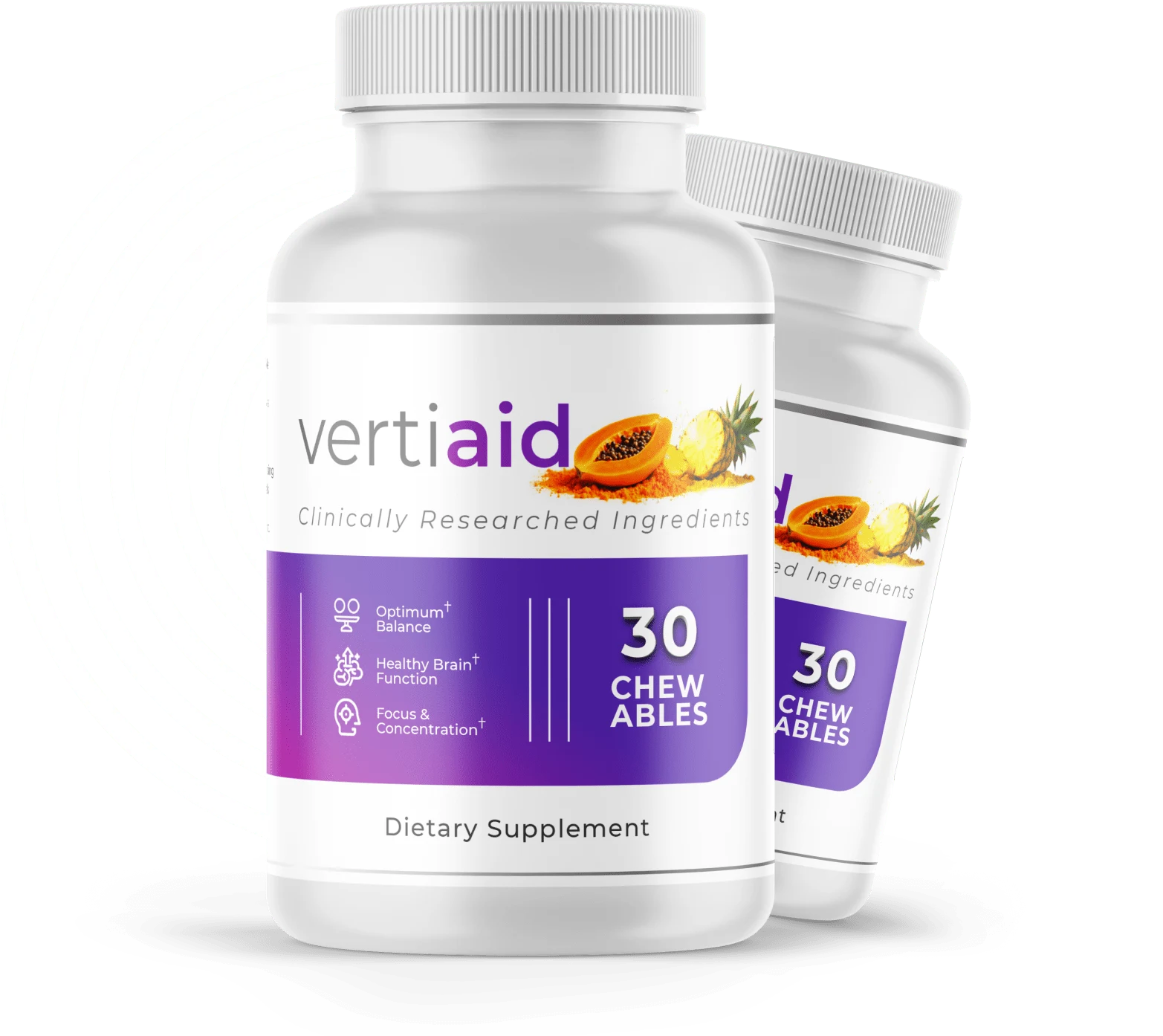
Vertiaide is a meticulously formulated natural supplement designed to support vestibular health and reduce the frequency and intensity of vertigo attacks. It combines a synergistic blend of ingredients, each chosen for its proven benefits in promoting balance and neurological well-being.

Ginkgo Biloba
Role: Renowned for its ability to enhance cerebral blood flow, Ginkgo Biloba helps ensure optimal oxygen and nutrient delivery to the brain and inner ear, supporting improved vestibular function and reducing dizziness.
Suggested Dose: 120-240mg daily
Ginger Root
Role: A powerful anti-nausea agent, ginger is highly effective in calming the stomach and reducing the motion sickness often associated with vertigo. It also possesses anti-inflammatory properties beneficial for overall inner ear health.
Suggested Dose: 1000-2000mg daily
Vitamin D
Role: Crucial for calcium absorption and bone health, Vitamin D plays a vital role in the regulation of inner ear fluid and the integrity of otoconia (calcium crystals), which are implicated in BPPV.
Suggested Dose: 2000-4000 IU daily
Magnesium
Role: An essential mineral involved in over 300 bodily functions, magnesium supports muscle relaxation, nerve function, and electrolyte balance, all critical for proper vestibular signaling and reducing muscle tension that can exacerbate vertigo.
Suggested Dose: 300-400mg daily
B-Complex Vitamins (B6, B12)
Role: These vitamins are vital for nerve health and neurotransmitter function. Vitamin B6 (Pyridoxine) is particularly noted for its role in reducing dizziness and nausea, while B12 supports overall neurological integrity.
Suggested Dose: B6 50mg, B12 1000mcg daily
CoQ10
Role: A powerful antioxidant, CoQ10 is essential for cellular energy production, particularly in high-energy demand organs like the brain and inner ear. It supports overall neurological health and protects against oxidative stress.
Suggested Dose: 100-200mg daily
Lemon Balm
Role: This calming herb is known for its anxiolytic properties, helping to reduce stress and anxiety, which are common triggers and exacerbating factors for vertigo attacks. It promotes relaxation and a sense of calm.
Suggested Dose: 300-600mg daily
Feverfew
Role: Traditionally used for its anti-inflammatory properties, Feverfew can help alleviate headaches and associated dizziness, contributing to overall comfort and reduced severity of vertigo-related symptoms.
Suggested Dose: 100-250mg dailyBy combining these potent natural ingredients, Vertiaide offers a comprehensive solution to support your body's natural balance mechanisms and provide relief from the distressing symptoms of vertigo. It's a natural, gentle way to complement your holistic approach to managing vestibular health.
Reclaim Your Balance with Vertiaide: Your Natural Solution
Imagine a life where you wake up feeling steady, confident, and free from the fear of sudden spinning sensations. Vertiaide is meticulously crafted to help you achieve that reality. Our all-natural formula targets the root causes of vertigo, supporting your inner ear health and neurological balance without harsh chemicals or unwanted side effects. It's time to stop letting vertigo control your life and take a proactive step towards lasting relief.
- ✓ Supports healthy inner ear function
- ✓ Reduces frequency and intensity of vertigo attacks
- ✓ Enhances overall balance and stability
- ✓ Formulated with 100% natural, scientifically-backed ingredients
- ✓ Non-habit forming and gentle on your system




Addressing Common Vertigo Triggers
Beyond the internal mechanisms, external factors often play a significant role in triggering vertigo attacks. Identifying and managing these triggers is a crucial part of a comprehensive prevention strategy.
Common triggers include certain foods and beverages (as discussed in dietary changes), but also environmental factors. Sudden head movements, especially looking up or turning quickly, can dislodge otoconia in BPPV sufferers. Changes in atmospheric pressure can affect individuals with Meniere's disease. Bright, flickering lights or complex visual patterns (like busy wallpaper or scrolling screens) can overwhelm the visual system and trigger vertigo in susceptible individuals, a condition sometimes referred to as visual vertigo.
Furthermore, lack of sleep and fatigue significantly lower your body's resilience and can make you more prone to attacks. Certain medications can also have dizziness as a side effect, so always review your prescriptions with your doctor if you suspect a link. Keeping a vertigo diary to track potential triggers can be incredibly insightful, helping you to identify patterns and make informed adjustments to your lifestyle and environment.
When to See a Doctor
While natural remedies offer significant support, it's vital to recognize when professional medical attention is necessary. Vertigo can sometimes be a symptom of more serious underlying conditions.
You should consult a doctor if your vertigo is new, severe, persistent, or accompanied by other concerning symptoms. These warning signs include: a sudden, severe headache; double vision or vision loss; hearing loss or ringing in the ears (tinnitus); weakness or numbness in limbs; difficulty speaking; fainting; or chest pain. These symptoms could indicate a stroke, tumor, or other neurological issue that requires immediate medical evaluation.
Even if your vertigo seems benign, a proper diagnosis from a healthcare professional, such as an ENT specialist or a neurologist, is crucial to rule out serious conditions and to determine the specific cause of your vertigo. They can confirm conditions like BPPV, Meniere's disease, or vestibular neuritis, and guide you on the most appropriate course of treatment, which may include physical therapy, medication, or a combination of approaches, including natural supplements like Vertiaide.
What Our Customers Are Saying About Vertiaide
"I've struggled with vertigo for years, and it truly impacted my quality of life. Vertiaide has been a game-changer! The spinning has reduced dramatically, and I feel so much more stable. I can finally enjoy my walks again without fear."
"I was skeptical about natural supplements, but Vertiaide proved me wrong. My BPPV flare-ups are less frequent and less intense. The natural ingredients make me feel good about what I'm putting into my body. Highly recommend for anyone seeking relief."
"After trying various medications with side effects, I decided to go the natural route. Vertiaide has helped me regain my balance and confidence. My daily dizziness is almost gone, and I feel more energetic. Thank you for this amazing product!"
Frequently Asked Questions
What is vertigo and how does it differ from dizziness?
+Vertigo is the sensation of spinning or feeling off balance, often accompanied by nausea. Dizziness is a broader term for lightheadedness or unsteadiness. Vertigo specifically involves a rotational component, making you feel as if you or your surroundings are moving.
Can diet really impact vertigo attacks?
+Yes, certain dietary choices can significantly influence vertigo. High sodium intake, caffeine, alcohol, and processed foods can disrupt fluid balance in the inner ear, exacerbating symptoms. A balanced diet rich in whole foods, hydration, and avoiding triggers can help.
Are natural supplements safe for vertigo relief?
+Many natural supplements, like ginger, Ginkgo Biloba, and certain vitamins, have shown promise in managing vertigo symptoms with minimal side effects. However, it's crucial to consult a healthcare professional before starting any new supplement regimen, especially if you have underlying health conditions or are taking medications.
How long does it take for natural remedies to work for vertigo?
+The timeframe for natural remedies to show effects varies depending on the individual, the underlying cause of vertigo, and the consistency of application. Some may feel relief within days or weeks, while others might require several months of consistent effort to see significant, lasting improvements.
What is BPPV and how do natural treatments help?
+BPPV (Benign Paroxysmal Positional Vertigo) is a common type of vertigo caused by displaced calcium crystals in the inner ear. Natural treatments often involve specific head maneuvers (like the Epley maneuver, performed by a professional), alongside supplements like Vitamin D and magnesium to support inner ear health and prevent recurrence.
Is Vertiaide a permanent cure for vertigo?
+Vertiaide is designed to provide comprehensive natural support for managing vertigo symptoms and promoting overall vestibular health. While it can significantly reduce the frequency and intensity of attacks, it is not marketed as a "cure." Consistent use, combined with a healthy lifestyle, offers the best chance for sustained relief.
Explore More Natural Health Solutions