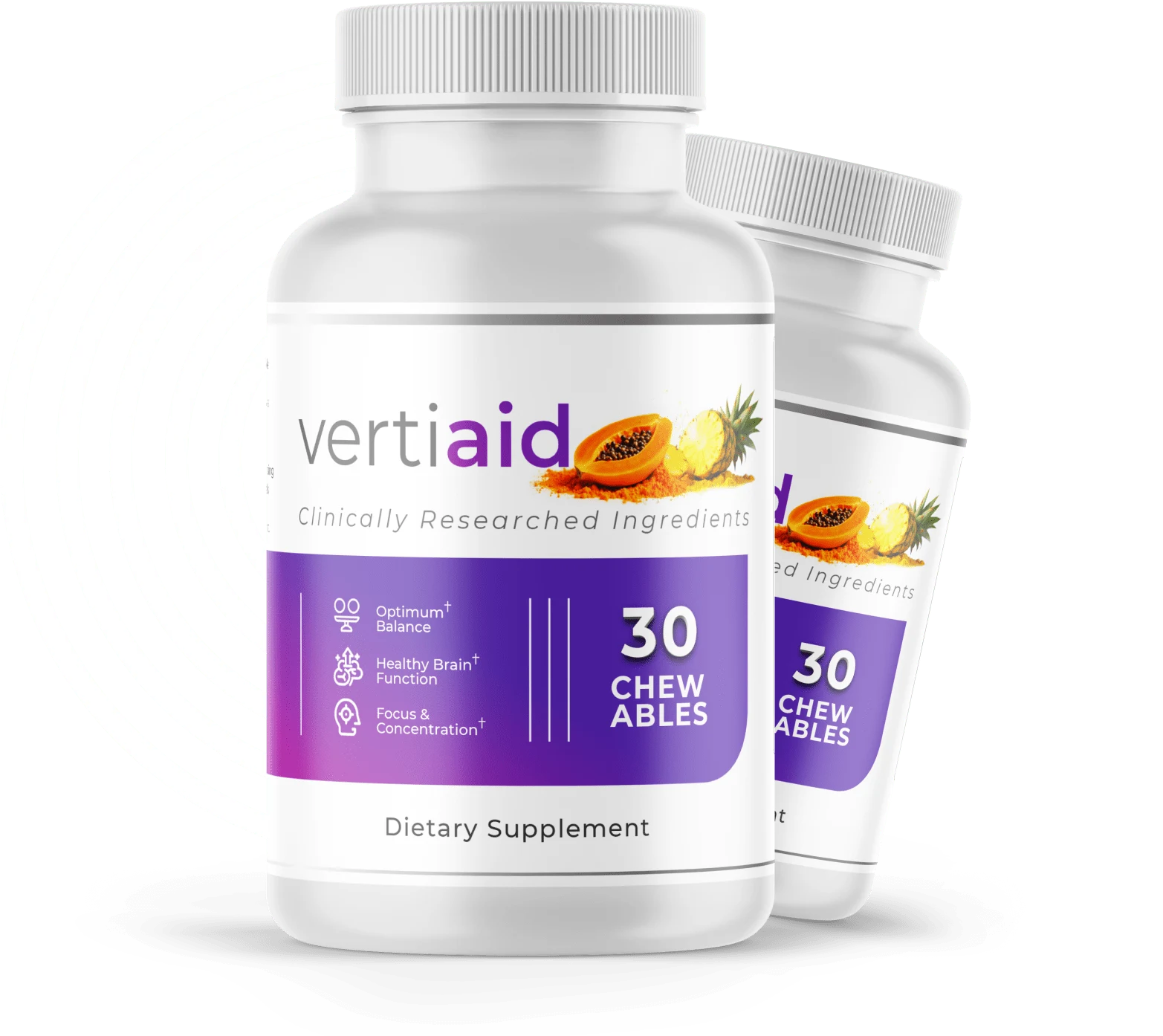
Do Dislodged Inner Ear Crystals Control Your World? Find Your Balance Again.
The sensation of the room spinning, sudden dizziness with head movements, or a persistent feeling of imbalance can be incredibly debilitating. For many, these unsettling experiences stem from a common, yet often misunderstood, condition: the displacement of tiny calcium carbonate crystals within the inner ear, known as otoconia.
While traditional medical interventions like the Epley maneuver are highly effective for acute episodes, many individuals seek complementary strategies to support their long-term vestibular health and prevent recurrence. This article delves into the science behind inner ear crystals and explores how targeted nutritional support and lifestyle adjustments can offer a holistic approach to managing vertigo and restoring your sense of stability.
The Inner Ear: A Delicate Balance System
Our sense of balance is a marvel of biological engineering, primarily orchestrated by the vestibular system located deep within our inner ear. This intricate system works in tandem with our vision and proprioception (our sense of body position) to keep us upright and oriented in space.
At the heart of the vestibular system are two main components: the semicircular canals and the otolith organs (the utricle and saccule). The semicircular canals detect rotational head movements, while the otolith organs are responsible for sensing linear motion and the pull of gravity. Within the utricle and saccule reside millions of microscopic calcium carbonate crystals, aptly named otoconia, or often referred to as "inner ear crystals." These crystals are normally embedded in a gelatinous membrane, and their movement in response to gravity helps the brain understand the head's position relative to the ground.
When these tiny, yet crucial, crystals become dislodged from their rightful place in the utricle and migrate into one of the semicircular canals, they can wreak havoc on our sense of balance. This displacement is the underlying cause of Benign Paroxysmal Positional Vertigo (BPPV), the most common cause of vertigo. The crystals, now freely floating, can inappropriately stimulate the hair cells within the canals, sending erroneous signals to the brain that the head is moving, even when it's not. This conflict between what the eyes see, what the body feels, and what the inner ear reports leads to the characteristic, sudden, and often intense spinning sensation of vertigo.
Understanding the role of these inner ear crystals is the first step towards effectively managing vertigo. While BPPV is benign, its symptoms can be profoundly disruptive, impacting daily activities, work, and quality of life. Exploring supportive strategies, including targeted supplements, can be a valuable part of a comprehensive approach to vestibular health.
💡 Key Takeaway
Inner ear crystals (otoconia) are vital for balance. When dislodged into the semicircular canals, they cause BPPV, leading to sudden, intense vertigo. Understanding this mechanism is key to effective management, which can include both medical maneuvers and supportive natural strategies.
Symptoms and Diagnosis of Inner Ear Crystal Vertigo (BPPV)
Identifying BPPV is crucial for appropriate treatment. The symptoms are quite distinctive, though they can sometimes be confused with other vestibular disorders.
The hallmark symptom of BPPV is sudden, brief episodes of intense spinning dizziness (vertigo) triggered by specific head movements. These movements often include:
- Rolling over in bed
- Lying down or sitting up
- Tilting the head up or down
- Bending over
The vertigo typically lasts for less than a minute, often accompanied by other unsettling symptoms such as nausea, a feeling of imbalance, and sometimes even vomiting. While the episodes are short-lived, the residual feeling of unease or "seasickness" can linger for hours. Some individuals may also experience nystagmus, an involuntary rhythmic eye movement, which a doctor might observe during diagnosis.
Diagnosis of BPPV is usually made through a physical examination, most commonly using the Dix-Hallpike maneuver. During this test, the doctor rapidly moves the patient from a sitting to a supine position with the head turned to one side. The presence of vertigo and nystagmus confirms the diagnosis and helps identify which ear and which semicircular canal are affected. It's important to consult with a healthcare professional, such as an ENT specialist or a vestibular therapist, for an accurate diagnosis and to rule out other more serious conditions that might mimic BPPV symptoms.
While BPPV is not life-threatening, its impact on quality of life can be significant. Early diagnosis and intervention can dramatically reduce symptoms and help individuals regain their independence and confidence. For more information on natural treatment options for this specific condition, you might find our article on BPPV natural treatment supplements helpful.
Beyond Maneuvers: The Role of Nutritional Support in Vestibular Health
While canalith repositioning maneuvers (like the Epley) are highly effective for treating acute BPPV, a holistic approach to vestibular health often includes nutritional and lifestyle support. These strategies aim to create an optimal internal environment, potentially reducing recurrence, supporting nerve function, and enhancing overall resilience of the inner ear.
Enhancing Inner Ear Circulation
The inner ear is a highly vascularized organ, and its delicate structures require a consistent and robust blood supply to function optimally. Poor circulation can compromise nerve health and fluid balance, potentially contributing to vestibular dysfunction. Nutrients that support cardiovascular health and microcirculation are therefore beneficial.
Supporting Nerve Function and Neurotransmission
The vestibular nerves transmit critical balance information to the brain. Proper nerve function relies on a steady supply of specific vitamins and minerals. Deficiencies can impair nerve signaling, potentially exacerbating dizziness or imbalance. Supplements can help ensure these vital pathways are well-nourished.
Reducing Inflammation and Oxidative Stress
Chronic inflammation and oxidative stress can damage delicate inner ear tissues, including the hair cells and nerve endings. Antioxidant-rich nutrients and anti-inflammatory compounds can help protect these structures, potentially contributing to long-term vestibular health and resilience against damage.
Maintaining Electrolyte and Fluid Balance
The inner ear contains specialized fluids (endolymph and perilymph) whose balance is critical for hearing and balance. Imbalances can contribute to conditions like Meniere's disease, but proper electrolyte regulation is also vital for general inner ear health. Certain minerals play a key role in this delicate balance.
Strengthening Bone Metabolism and Otoconia Integrity
Since BPPV is caused by displaced calcium carbonate crystals, nutrients involved in bone and calcium metabolism, such as Vitamin D, are of particular interest. Adequate levels of these nutrients may play a role in the formation and stability of otoconia, potentially reducing their fragility or propensity to dislodge.
Alleviating Associated Symptoms
Beyond addressing the root cause, some supplements can help alleviate common associated symptoms of vertigo, such as nausea, anxiety, and general discomfort. Ingredients with calming or anti-emetic properties can significantly improve quality of life during and after vertigo episodes, offering a more comfortable recovery.
Key Nutrients and Herbal Extracts for Vestibular Support
The world of natural health offers a variety of supplements that have been studied for their potential to support inner ear health and alleviate vertigo symptoms. These ingredients often work synergistically to address different aspects of vestibular function.
One of the most widely recognized herbs for circulatory health is Ginkgo Biloba. Its ability to improve blood flow, particularly to the brain and inner ear, makes it a popular choice for those experiencing dizziness and tinnitus. Enhanced circulation ensures that the delicate hair cells and nerves of the vestibular system receive adequate oxygen and nutrients, which is fundamental for their proper functioning. Ginkgo also possesses antioxidant properties, helping to protect inner ear structures from oxidative damage.
Another powerful natural remedy is Ginger Root. Historically used for motion sickness and nausea, ginger's anti-inflammatory and anti-emetic properties can be incredibly beneficial for vertigo sufferers. It helps calm the digestive system and reduce the nauseating sensation often accompanying spinning episodes, making it a valuable addition to a vertigo support regimen.
Essential vitamins also play a critical role. Vitamin D3, for instance, is not just for bone health; emerging research suggests a strong link between Vitamin D deficiency and recurrent BPPV. It plays a role in calcium metabolism, which is crucial for the integrity of the otoconia. Adequate Vitamin D levels may help stabilize these crystals and reduce their likelihood of dislodging. Similarly, Magnesium is vital for nerve function, muscle relaxation, and blood vessel dilation. Its deficiency can contribute to a range of neurological symptoms, including dizziness and headaches, making it an important mineral for overall vestibular health.
Zinc, an essential trace mineral, supports immune function and acts as an antioxidant. While its direct role in BPPV is still being researched, its importance in overall cellular health and repair suggests a supportive function for inner ear tissues. B vitamins, particularly Vitamin B6 (Pyridoxine) and Vitamin B12 (Cobalamin), are crucial for nerve health and neurotransmitter production. B6 is specifically used in some clinical settings to manage nausea and dizziness, while B12 deficiency can lead to neurological symptoms including balance issues. For those seeking comprehensive information about specific supplements, our article on Meniere's Disease supplement review offers additional insights into inner ear support.
Other beneficial compounds include Alpha Lipoic Acid, a potent antioxidant that can cross the blood-brain barrier, offering neuroprotective benefits, and Hawthorn Berry, known for its cardiovascular benefits, further supporting healthy blood flow to the inner ear. The synergistic combination of these ingredients can provide comprehensive support for individuals grappling with vertigo and inner ear crystal issues.
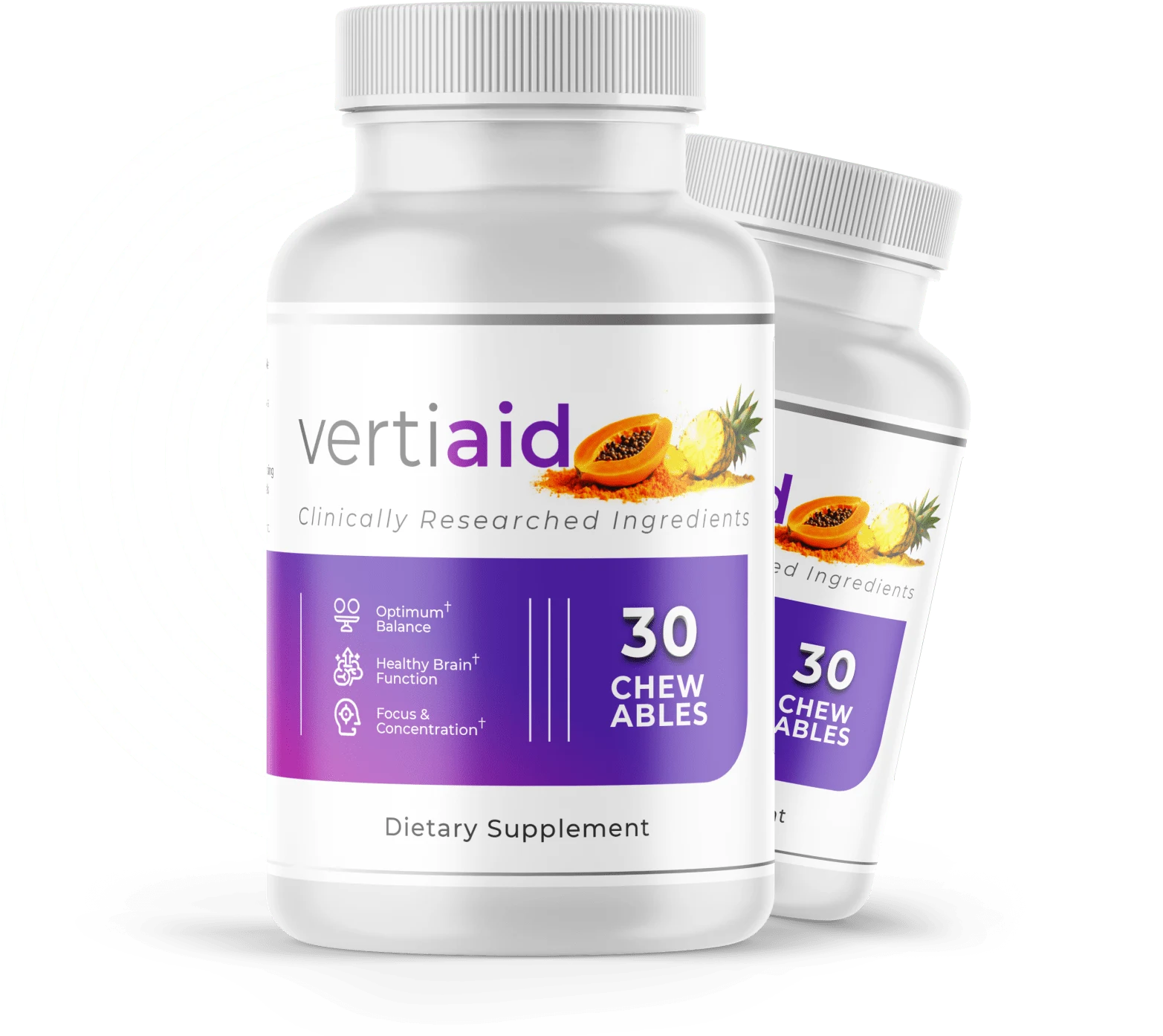
Vertiaide: A Targeted Approach to Inner Ear Support
Vertiaide is formulated to provide comprehensive nutritional support for inner ear health, specifically targeting the factors that contribute to vertigo and imbalance. It combines a blend of scientifically-backed ingredients known for their roles in circulation, nerve function, and inflammation reduction.
Ginkgo Biloba
Role: Improves blood circulation to the brain and inner ear, enhancing oxygen and nutrient delivery to vestibular structures. Acts as an antioxidant, protecting delicate cells from damage.
Typical Dose: 120-240 mg daily
Ginger Root
Role: Powerful anti-inflammatory and anti-emetic properties. Helps to reduce nausea, vomiting, and dizziness associated with vertigo and motion sickness by calming the digestive system and influencing vestibular pathways.
Typical Dose: 500-1000 mg daily
Vitamin D3
Role: Crucial for calcium metabolism and bone health, directly impacting the stability and integrity of inner ear crystals (otoconia). Research suggests deficiency is linked to recurrent BPPV.
Typical Dose: 2000-5000 IU daily
Magnesium
Role: Essential for over 300 enzymatic reactions, including nerve transmission and muscle function. Supports blood flow to the inner ear and may help reduce symptoms like dizziness and headaches.
Typical Dose: 200-400 mg daily
Zinc
Role: A vital trace mineral for immune function, cellular repair, and antioxidant defense. Plays a supportive role in overall inner ear health and protection against cellular damage.
Typical Dose: 15-30 mg daily
B-Complex (B6 & B12)
Role: B6 (Pyridoxine) is known for its anti-nausea effects and role in neurotransmitter synthesis. B12 (Cobalamin) is critical for nerve health and myelin sheath formation, supporting efficient nerve signaling in the vestibular system.
Typical Dose: B6 10-50mg, B12 500-1000mcg daily
Hawthorn Berry
Role: Supports cardiovascular health by improving blood vessel dilation and blood flow. This indirectly benefits the inner ear by ensuring consistent nutrient and oxygen supply to its delicate structures.
Typical Dose: 300-600 mg daily
Alpha Lipoic Acid
Role: A powerful antioxidant that is both water and fat-soluble, allowing it to protect cells throughout the body, including neural tissues. Helps reduce oxidative stress and supports nerve health in the vestibular system.
Typical Dose: 300-600 mg daily
Restore Your Balance and Clarity with Vertiaide
Don't let the unpredictable nature of vertigo dictate your life. Vertiaide offers a natural, comprehensive approach to support your inner ear health and help you regain control. With a meticulously selected blend of ingredients, Vertiaide is designed to nourish your vestibular system from within.
- ✓ Supports healthy blood flow to the inner ear
- ✓ Helps stabilize inner ear crystals (otoconia)
- ✓ Reduces nausea and dizziness associated with vertigo
- ✓ Promotes overall nerve health and balance
- ✓ Made with 100% natural, scientifically-backed ingredients




Lifestyle Adjustments and Complementary Therapies
Beyond targeted supplementation and medical interventions, integrating certain lifestyle adjustments and complementary therapies can significantly enhance your journey towards managing vertigo and improving overall balance.
Hydration is paramount. Maintaining adequate fluid intake helps ensure proper fluid balance within the inner ear, which is critical for its function. Dehydration can exacerbate dizziness and make you feel more unsteady. Similarly, a balanced diet rich in whole foods, fruits, and vegetables provides the essential vitamins and minerals needed for nerve health and circulatory integrity. Reducing intake of processed foods, excessive sodium, caffeine, and alcohol can also be beneficial, as these can sometimes trigger or worsen vertigo symptoms in sensitive individuals.
Stress management techniques are another powerful tool. Stress and anxiety can heighten the perception of dizziness and even trigger vertigo episodes. Practices such as meditation, deep breathing exercises, yoga, or tai chi can help calm the nervous system, reduce stress levels, and improve body awareness and balance. Regular, gentle exercise, even just walking, helps maintain overall physical fitness, strengthens balance mechanisms, and can improve proprioception. However, it's important to start slowly and avoid movements that provoke severe vertigo.
Finally, working with a vestibular therapist can be incredibly effective. These specialists can guide you through specific exercises (vestibular rehabilitation therapy or VRT) designed to retrain your brain to process balance signals more effectively. VRT can help reduce dizziness, improve balance, and increase activity levels. Combining these lifestyle strategies with nutritional support, like that offered by Vertiaide, creates a holistic framework for long-term vestibular health. For insights from real users and their experiences with Vertiaide, you might want to check out our Vertiaide reviews: real results page.
What Our Customers Are Saying
"I was skeptical, but the constant spinning from my BPPV was taking over my life. After a few weeks of Vertiaide, I noticed a significant reduction in the intensity and frequency of my episodes. I feel more stable and less anxious about sudden movements. It's been a game-changer!"
"My doctor recommended the Epley maneuver, which helped, but I still felt off-balance and had lingering dizziness. Adding Vertiaide to my routine seemed to provide that extra support. My head feels clearer, and I'm not experiencing that 'seasick' feeling anymore. Highly recommend for persistent symptoms."
"I've struggled with inner ear issues for years, and finding natural ways to support myself has been key. Vertiaide's ingredients list really impressed me, and the results speak for themselves. My balance has improved, and I feel more confident in my daily activities. It's a staple for me now."
Frequently Asked Questions
What exactly are 'inner ear crystals' and how do they cause vertigo?
+Inner ear crystals, scientifically known as otoconia, are tiny calcium carbonate particles normally embedded in a gel-like membrane within the utricle and saccule of your inner ear. They help detect linear motion and gravity. When these crystals become dislodged and migrate into the semicircular canals, they can inappropriately stimulate the nerve endings there, sending confusing signals to the brain. This miscommunication leads to the sensation of spinning, or vertigo, especially with changes in head position. This specific condition is called Benign Paroxysmal Positional Vertigo (BPPV).
Can diet and lifestyle changes help manage vertigo caused by inner ear crystals?
+Absolutely. While diet and lifestyle changes don't directly reposition dislodged crystals, they can significantly support overall inner ear health and potentially reduce the frequency or intensity of vertigo episodes. Maintaining adequate hydration is crucial. Avoiding excessive caffeine, alcohol, and high-sodium foods may help manage inner ear fluid balance. Regular, gentle exercise can improve balance and spatial awareness. Stress management techniques like meditation or yoga are also beneficial, as stress can often exacerbate vestibular symptoms. A balanced diet rich in vitamins and minerals is foundational for nerve and circulatory health, both vital for the inner ear.
What are the most common treatments for BPPV, and how do supplements fit in?
+The primary and most effective treatment for BPPV is a series of specific head and body movements known as canalith repositioning maneuvers, such as the Epley maneuver. These maneuvers aim to guide the dislodged crystals back into the utricle where they belong. While these maneuvers are highly effective, some individuals experience recurrent BPPV or persistent symptoms. This is where supplements can play a supportive role. They are not a standalone cure for acute BPPV, but certain nutrients can help support overall inner ear health, improve circulation, reduce inflammation, and strengthen the vestibular system, potentially reducing the likelihood of recurrence or alleviating associated symptoms like nausea and imbalance. Always consult a healthcare professional for diagnosis and primary treatment.
Are there any risks or side effects associated with taking supplements for vertigo?
+As with any supplement, potential risks and side effects exist, though they are generally mild compared to pharmaceutical interventions. Common side effects can include digestive upset, headaches, or allergic reactions. The most significant risk is interactions with existing medications or underlying health conditions. For instance, blood-thinning supplements like Ginkgo Biloba should be used cautiously by individuals on anticoagulant medications. It is absolutely crucial to consult with your doctor or a board-certified ENT specialist before starting any new supplement regimen, especially if you are pregnant, nursing, have a chronic medical condition, or are taking other medications. They can assess potential interactions and ensure the supplement is appropriate for your specific health needs.
How long does it typically take to see results from inner ear health supplements?
+The timeframe for experiencing results from inner ear health supplements can vary widely among individuals, depending on the specific ingredients, the severity of symptoms, and individual physiological responses. Some people might notice subtle improvements in energy, focus, or a reduction in the intensity of mild dizziness within a few weeks. However, for more significant support for inner ear structures and the vestibular system, it often takes consistent use over several weeks to a few months (e.g., 60-90 days). It's important to remember that supplements work by supporting the body's natural processes, which can take time to manifest noticeable changes. Consistency and patience are key.
Why is Vertiaide considered a beneficial supplement for inner ear crystal support?
+Vertiaide is formulated with a blend of natural ingredients specifically chosen for their known benefits in supporting vestibular function, promoting healthy circulation to the inner ear, and reducing inflammation. Ingredients like Ginkgo Biloba are included for their ability to enhance blood flow, while ginger root addresses nausea and inflammation. Essential vitamins like D3 and Magnesium contribute to nerve health and calcium regulation, which is vital for otoconia integrity. By providing targeted nutritional support, Vertiaide aims to create an an optimal environment for inner ear health, potentially reducing the frequency and severity of vertigo symptoms associated with dislodged crystals and promoting overall balance and well-being. It's designed as a comprehensive approach to support the body's natural mechanisms for inner ear health.
Related Articles