Are you struggling with the disorienting effects of labyrinthitis, longing for stability and calm?
Labyrinthitis, an inflammatory condition of the inner ear, can turn your world upside down, quite literally. The sudden onset of severe vertigo, dizziness, hearing loss, and tinnitus can be profoundly unsettling, making simple daily tasks feel like insurmountable challenges. It's a condition that demands patience, understanding, and a multi-faceted approach to recovery.
While conventional medicine plays a crucial role in managing acute symptoms, many individuals seek complementary strategies to support their healing journey and prevent recurrence. This comprehensive guide delves into the most effective natural treatments and recovery tips for labyrinthitis, offering a holistic roadmap to help you regain your balance, alleviate discomfort, and restore your quality of life.
Understanding Labyrinthitis: The Inner Ear's Unwanted Storm
Before we explore natural remedies, it's essential to grasp what labyrinthitis is and how it impacts your body.
Labyrinthitis is an inflammatory condition affecting the labyrinth, a complex structure deep within your inner ear. This labyrinth consists of two crucial parts: the cochlea, which processes sound, and the vestibular system, which manages your sense of balance and spatial orientation. When inflammation strikes this delicate system, it can disrupt both hearing and balance, leading to a cascade of distressing symptoms. The primary cause is often a viral infection, such as those responsible for the common cold, flu, or herpes simplex. Less commonly, bacterial infections can lead to labyrinthitis, which tends to be more severe.
The hallmark symptoms include a sudden onset of intense vertigo – a sensation that you or your surroundings are spinning or moving – often accompanied by nausea and vomiting. You might also experience dizziness, difficulty maintaining balance, and a general feeling of unsteadiness. Crucially, labyrinthitis also affects hearing, causing hearing loss (ranging from mild to severe) and tinnitus (ringing, buzzing, or hissing in the affected ear). These symptoms can be profoundly debilitating, making it difficult to perform everyday activities like walking, driving, or even reading. The acute phase can last for several days, with residual symptoms lingering for weeks or even months as the inner ear recovers and the brain adapts.
While labyrinthitis shares similarities with vestibular neuritis (which affects only the balance nerve and typically spares hearing), a proper diagnosis from a healthcare professional is vital to differentiate between these and other potential causes of vertigo, such as Meniere's disease or even more serious neurological conditions. Treatment usually involves medications to alleviate symptoms and, critically, a tailored program of vestibular rehabilitation exercises to help the brain compensate for the disrupted inner ear signals.
💡 Key Takeaway
Labyrinthitis is an inner ear inflammation affecting both balance and hearing, typically caused by a viral infection. Symptoms like severe vertigo, nausea, and hearing changes require medical diagnosis, with recovery supported by both conventional treatment and targeted rehabilitation.
Embracing Natural Approaches for Labyrinthitis Recovery
Beyond conventional treatments, a holistic approach focusing on natural strategies can significantly aid in recovery and enhance overall well-being. These methods aim to reduce inflammation, support inner ear health, and bolster your body's innate healing capabilities.
Anti-Inflammatory Diet & Hydration
Inflammation is at the core of labyrinthitis. Adopting an anti-inflammatory diet rich in fruits, vegetables, lean proteins, and healthy fats (like omega-3s from fish, flaxseed, and walnuts) can help reduce systemic inflammation. Avoid processed foods, excessive sugar, and unhealthy fats. Proper hydration is also crucial; drinking plenty of water supports overall cellular function and nutrient transport, aiding in recovery. Some individuals find benefit in reducing caffeine and alcohol intake, as these can sometimes exacerbate dizziness or dehydration.
Stress Management & Adequate Sleep
Stress can worsen vertigo and hinder recovery. Incorporating stress-reducing practices like meditation, deep breathing exercises, yoga, or tai chi can calm the nervous system and promote healing. Prioritizing 7-9 hours of quality sleep per night is equally important, as sleep deprivation can increase inflammation and impair cognitive function, making it harder for your brain to compensate for vestibular dysfunction. Establishing a consistent sleep schedule and creating a relaxing bedtime routine can make a significant difference.
Targeted Vestibular Rehabilitation Exercises (VRE)
While often prescribed by professionals, many simple VREs can be performed at home. These exercises are designed to help your brain adapt to and compensate for inner ear imbalances, a process known as vestibular compensation. Examples include gaze stabilization exercises, habituation exercises (repeatedly exposing yourself to movements that trigger dizziness to reduce sensitivity), and balance training. It’s important to start gently and gradually increase intensity, ideally under the guidance of a physical therapist specializing in vestibular disorders. Consistency is key for effective recovery.
Herbal & Nutritional Support
Certain herbs and nutrients are known for their anti-inflammatory, antioxidant, and circulatory benefits, which can be supportive for inner ear health. Ingredients like ginger, ginkgo biloba, and magnesium have been traditionally used or researched for their potential to alleviate dizziness, improve circulation, or support nerve function. These can be integrated into your regimen as part of a broader natural approach. Always consult your doctor before adding new supplements, especially if you are on other medications.
Acupuncture and Chiropractic Care
Some individuals find relief through alternative therapies such as acupuncture, which aims to restore energy balance in the body and reduce symptoms like dizziness and nausea. Chiropractic adjustments, particularly those focused on the upper cervical spine, may also be considered by some to improve nervous system function and potentially alleviate balance issues. While research is ongoing, these modalities offer complementary avenues for support. Always seek qualified and experienced practitioners for these treatments.
Gradual Return to Activity & Patience
Recovery from labyrinthitis is a journey, not a race. It's crucial to gradually reintroduce physical activity and daily routines as your symptoms improve. Pushing yourself too hard too soon can lead to setbacks. Be patient with your body's healing process and celebrate small victories. Understand that some residual dizziness or imbalance may persist for a while, and consistent adherence to your recovery plan, including regular vestibular exercises, is vital for long-term improvement. Support groups or counselling can also be beneficial for managing the emotional toll of the condition.
Dietary Strategies and Lifestyle Adjustments for Inner Ear Wellness
Your daily choices in diet and lifestyle significantly influence your body's ability to heal and maintain balance, especially when dealing with labyrinthitis. Focusing on nutrient-dense foods and healthy habits can create an optimal environment for recovery.
For individuals seeking natural vertigo relief remedies, dietary modifications are often a cornerstone. An anti-inflammatory diet emphasizes whole, unprocessed foods. This means incorporating a wide array of colorful fruits and vegetables, which are packed with antioxidants that combat cellular damage and inflammation. Berries, leafy greens, and cruciferous vegetables are particularly beneficial. Opt for lean protein sources like chicken, turkey, and plant-based options such as legumes and nuts. Healthy fats, especially omega-3 fatty acids found in fatty fish (salmon, mackerel), flaxseeds, and chia seeds, are powerful anti-inflammatories that can support overall neurological and inner ear health. Conversely, minimizing pro-inflammatory foods like refined sugars, trans fats, and highly processed snacks is crucial. Some individuals also find relief by reducing sodium intake, as excess salt can sometimes affect fluid balance in the inner ear, potentially worsening symptoms in susceptible individuals.
Beyond food, maintaining optimal hydration is paramount. Water is essential for every bodily function, including nerve signal transmission and detoxification. Dehydration can exacerbate dizziness and fatigue, making recovery more challenging. Aim for at least 8 glasses of water daily, and consider herbal teas that are naturally calming, such as chamomile or peppermint. Limiting caffeine and alcohol, both of which can be dehydrating and affect inner ear fluid dynamics, is also often recommended during recovery.
Lifestyle adjustments extend beyond diet. Managing stress is critical. The anxiety and fear associated with vertigo can create a vicious cycle, intensifying symptoms. Techniques like mindfulness meditation, deep breathing exercises, progressive muscle relaxation, or engaging in gentle hobbies can help regulate your nervous system. Prioritizing adequate sleep is another non-negotiable aspect of recovery. During sleep, your body repairs and regenerates. A consistent sleep schedule, a dark and quiet bedroom, and avoiding screens before bed can improve sleep quality. Gentle physical activity, once cleared by your doctor, can also aid recovery. Starting with short walks and gradually increasing intensity can help retrain your balance system without overwhelming it. For more insights on effective remedies, consider exploring vertigo relief remedies that work, as many principles overlap with labyrinthitis recovery.
Finally, identifying and avoiding personal triggers is an important part of managing labyrinthitis long-term. These might include certain head movements, bright or flashing lights, loud noises, or specific foods. Keeping a symptom diary can help you pinpoint what makes your condition better or worse, allowing for a more personalized recovery strategy. Remember, your body's ability to heal is profound, and supporting it with thoughtful dietary and lifestyle choices can make a significant difference in your journey back to stable health. For a comprehensive overview of vestibular health, you might find our main page helpful.
Holistic Pillars of Labyrinthitis Recovery
Nutritional Support
Emphasizing anti-inflammatory foods, antioxidants, and essential nutrients to nourish the inner ear and reduce systemic inflammation. Proper hydration is also key for cellular function and detoxification.
Rest & Relaxation
Prioritizing adequate sleep and implementing stress-reduction techniques like meditation or deep breathing to calm the nervous system and support the body's natural healing processes.
Vestibular Rehabilitation
Engaging in targeted exercises designed to help the brain compensate for inner ear dysfunction, gradually restoring balance and reducing dizziness under professional guidance.
Herbal & Supplement Aids
Exploring natural compounds known for their potential to improve circulation, reduce inflammation, and support nerve health, acting as complementary support to a comprehensive recovery plan.
Mind-Body Connection
Recognizing the psychological impact of labyrinthitis and utilizing techniques like yoga, tai chi, or counseling to manage anxiety, build resilience, and foster a positive outlook.
Professional Guidance
Working closely with healthcare providers, including neurologists, ENTs, and physical therapists, to ensure accurate diagnosis, appropriate medical management, and personalized rehabilitation strategies.
Natural Support for Inner Ear Health: Vertiaide's Synergistic Ingredients
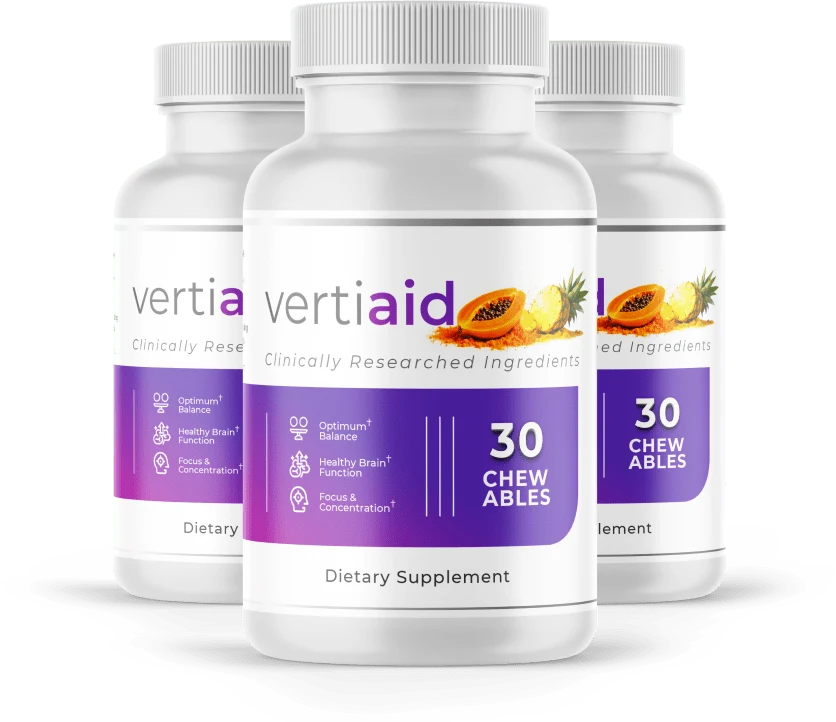
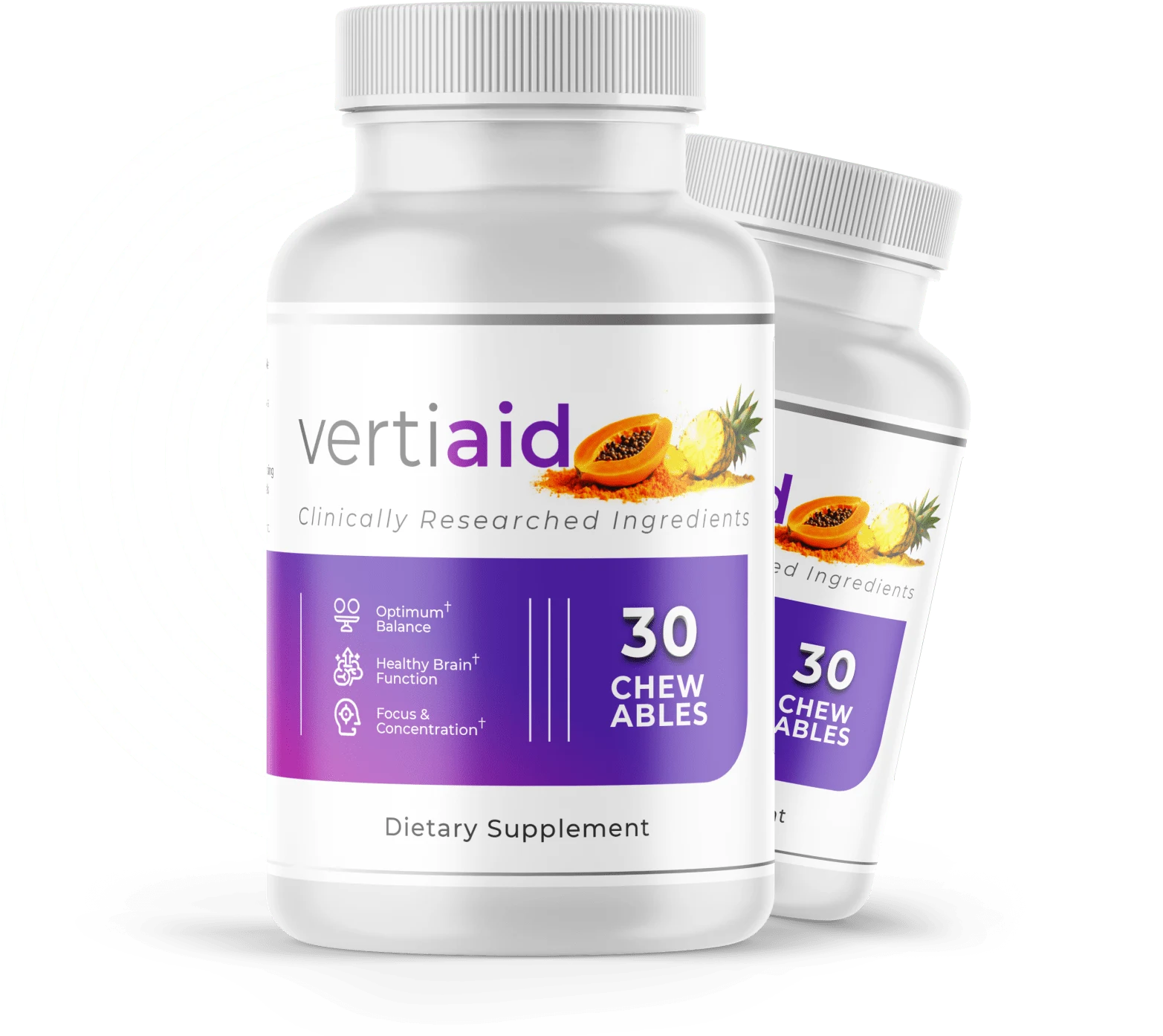
As part of a comprehensive natural approach to labyrinthitis recovery, certain well-researched botanical extracts and nutrients can offer valuable support. Vertiaide combines several such ingredients, each chosen for its potential to support inner ear health, reduce inflammation, and improve circulation, contributing to better balance and reduced dizziness. Here's a look at some of the key components:
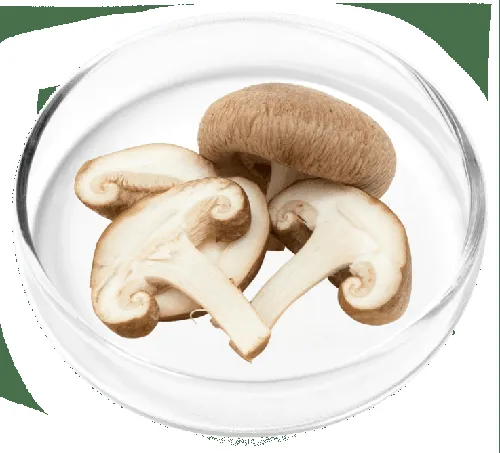
Ginger Root (Zingiber officinale)
Role: Well-known for its anti-nausea and anti-inflammatory properties. Ginger can help alleviate the distressing feelings of vertigo and motion sickness often associated with labyrinthitis, while also potentially reducing inner ear inflammation. Its bioactive compounds, gingerols, are potent antioxidants.
Typical Dose: 500-1000 mg daily
Ginkgo Biloba
Role: Renowned for its ability to improve blood circulation, particularly to the brain and inner ear. Enhanced blood flow can support the healing of damaged inner ear structures and improve nerve function, potentially reducing dizziness and tinnitus. It also acts as an antioxidant.
Typical Dose: 120-240 mg daily
Vitamin D
Role: Essential for bone health, immune function, and has been linked to inner ear health. Deficiencies in Vitamin D have been associated with conditions like BPPV (Benign Paroxysmal Positional Vertigo), and adequate levels may support overall vestibular function and reduce inflammation, contributing to faster recovery.
Typical Dose: 1000-5000 IU daily
Magnesium
Role: A vital mineral involved in over 300 biochemical reactions in the body, including nerve and muscle function. Magnesium can help relax blood vessels, potentially improving blood flow to the inner ear, and may also play a role in reducing nerve excitability and inflammation, offering relief from vertigo symptoms.
Typical Dose: 200-400 mg daily
Zinc
Role: An essential trace element crucial for immune system function and wound healing. Given that labyrinthitis is often caused by viral infections, adequate zinc levels can support the body's immune response, potentially aiding in faster resolution of the underlying infection and reducing inflammation.
Typical Dose: 15-30 mg daily
Lemon Balm (Melissa officinalis)
Role: A calming herb traditionally used to reduce anxiety, promote sleep, and alleviate digestive discomfort. In the context of labyrinthitis, it can help manage the stress and anxiety often associated with chronic dizziness, and its mild sedative properties can aid restful sleep, crucial for recovery.
Typical Dose: 300-600 mg daily
Bacopa Monnieri
Role: An adaptogenic herb known for its neuroprotective and cognitive-enhancing properties. It may help the brain cope with stress and improve its ability to adapt to sensory input, supporting the process of vestibular compensation and reducing the cognitive fog often associated with chronic dizziness.
Typical Dose: 300-450 mg daily
Rhodiola Rosea
Role: Another powerful adaptogen that helps the body adapt to physical and psychological stress. By reducing fatigue and improving mental clarity, Rhodiola can support individuals navigating the challenges of labyrinthitis recovery, especially when dealing with persistent symptoms and the emotional toll they take.
Typical Dose: 200-400 mg dailyThese ingredients, when combined thoughtfully, aim to provide a multi-pronged approach to supporting the body during labyrinthitis recovery. While individual results may vary, the synergistic effect of these natural compounds can be a valuable addition to a holistic recovery plan.
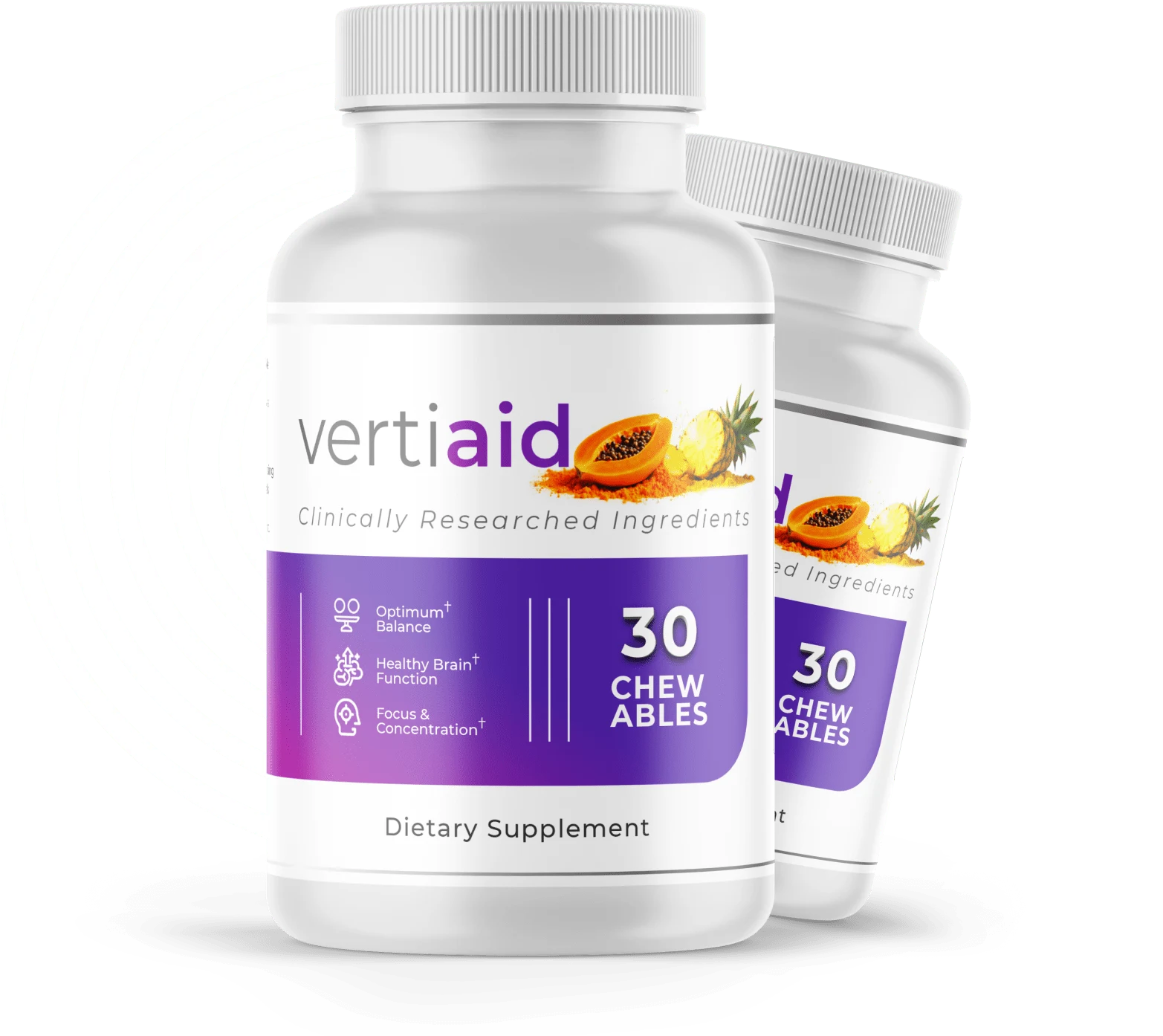
Ready to Embrace a Life with More Balance and Less Dizziness?
Vertiaide is designed to be a supportive companion on your journey to inner ear wellness. With a blend of nature's most potent ingredients, it aims to help you regain your equilibrium and reclaim your life from the grip of vertigo and imbalance.
- ✓ Supports healthy inner ear function
- ✓ Promotes improved circulation to the vestibular system
- ✓ Helps reduce feelings of dizziness and unsteadiness
- ✓ Formulated with natural, scientifically-backed ingredients
- ✓ Made in the USA in a GMP-certified facility




Hear From Those Who Found Their Balance Again
"After weeks of debilitating vertigo from labyrinthitis, I was desperate. Vertiaide, combined with my exercises, made a noticeable difference. The spinning sensation lessened, and I felt more grounded within a month. Truly grateful!"
"I was skeptical about natural remedies, but my doctor approved Vertiaide as a supplement to my recovery plan. The combination of ingredients seems to have really helped my inner ear inflammation and overall dizziness. My balance is much better now."
"The constant ringing and unsteadiness after my labyrinthitis diagnosis were exhausting. Vertiaide didn't cure it overnight, but it definitely eased the intensity of my symptoms. I feel more in control and less anxious about sudden attacks. Highly recommend trying it."
Frequently Asked Questions
What is labyrinthitis and how does it differ from vestibular neuritis?
+Labyrinthitis is an inflammation of the labyrinth, the part of the inner ear responsible for hearing and balance, often caused by a viral infection. It affects both hearing and balance. Vestibular neuritis, while similar, primarily affects only the balance portion of the vestibular nerve, sparing hearing.
What are the most common symptoms of labyrinthitis?
+Key symptoms include sudden onset of severe vertigo (a spinning sensation), dizziness, nausea, vomiting, balance issues, and often hearing loss or ringing in the affected ear (tinnitus). These symptoms can be debilitating and impact daily activities.
Are there effective natural treatments for labyrinthitis?
+While medical treatment is often necessary, natural approaches can significantly support recovery. These include specific dietary changes (anti-inflammatory foods, hydration), lifestyle modifications (stress reduction, adequate sleep, avoiding triggers), targeted vestibular exercises, and certain herbal or nutritional supplements known for their anti-inflammatory or circulatory benefits.
How long does it typically take to recover from labyrinthitis?
+Acute symptoms of labyrinthitis usually improve within a few days to a few weeks. However, residual dizziness and balance issues can persist for several weeks or even months, especially if vestibular rehabilitation is not diligently pursued. Full recovery varies greatly among individuals, depending on severity and adherence to treatment.
Can diet and lifestyle changes truly help with labyrinthitis recovery?
+Absolutely. An anti-inflammatory diet rich in antioxidants, proper hydration, adequate sleep, and stress management techniques like meditation or yoga can significantly reduce symptoms and support the body's healing processes. Avoiding caffeine, alcohol, and high-sodium foods may also be beneficial for some individuals.
When should I seek medical attention for labyrinthitis symptoms?
+You should always consult a doctor if you experience sudden vertigo, hearing changes, or severe dizziness to rule out more serious conditions and get an accurate diagnosis. Immediate medical attention is crucial if symptoms are accompanied by high fever, severe headache, double vision, weakness, or numbness, as these could indicate a stroke or other neurological emergency.
Related Articles