Could a simple nutrient deficiency be causing your persistent vertigo?
Vertigo, the disorienting sensation of spinning or losing balance, can severely impact quality of life. Millions worldwide suffer from this debilitating condition, often without understanding its root cause. While many factors contribute to vertigo, from inner ear disorders to neurological issues, a growing body of research points to an often-overlooked culprit: Vitamin D deficiency.
This article, authored by Dr. Susan Park, a leading Vestibular Health Researcher, and reviewed by Dr. Charles Evans, M.D., Board-Certified Neurologist, delves deep into the intricate relationship between Vitamin D and your vestibular system. We'll explore how insufficient levels of this vital nutrient can exacerbate or even trigger episodes of dizziness and imbalance, revealing the hidden connection that could be key to your relief.
Understanding Vertigo: More Than Just Dizziness
Vertigo is often misunderstood as merely a sensation of dizziness. In reality, it's a specific type of dizziness characterized by a feeling that you or your surroundings are spinning or moving. This can be profoundly disruptive, leading to falls, anxiety, and a significant reduction in quality of life.
The **vestibular system**, located in your inner ear, is primarily responsible for detecting head movements and maintaining balance. It works in conjunction with your eyes and proprioceptors (sensors in your joints and muscles) to send information to your brain, allowing you to stay upright and navigate your environment. When this intricate system malfunctions, vertigo can ensue. Common causes include **Benign Paroxysmal Positional Vertigo (BPPV)**, Meniere's disease, vestibular neuritis, labyrinthitis, and certain neurological conditions. However, emerging research indicates that nutritional deficiencies, particularly in **Vitamin D**, may play a more significant role than previously thought.
For many sufferers, identifying the exact cause of their vertigo can be a lengthy and frustrating process. Traditional treatments often focus on symptom management, physical therapy (like the Epley maneuver for BPPV), or medication. Yet, a holistic approach that considers underlying nutritional factors is gaining traction, offering new hope for long-term relief. Understanding the diverse causes of balance issues is crucial, and you can delve deeper into various types of vestibular disorders and their management by exploring our comprehensive guide to vestibular disorder supplements.
The Sunshine Vitamin: A Critical Nutrient for Overall Health
Vitamin D, often dubbed the "sunshine vitamin," is unique because our bodies can produce it when exposed to sunlight. However, despite this natural production mechanism, Vitamin D deficiency is a global epidemic, affecting over a billion people worldwide. This is largely due to modern lifestyles, reduced outdoor activity, widespread use of sunscreen, and dietary insufficiencies.
Beyond Bone Health
While Vitamin D is famously known for its role in calcium absorption and bone health, its functions extend far beyond. It acts more like a hormone, influencing numerous bodily systems, including the immune system, cardiovascular health, mood regulation, and neurological function.
Immune System Support
Adequate Vitamin D levels are crucial for a robust immune response, helping the body fight off infections and reduce inflammation. Chronic inflammation can exacerbate many health conditions, including those affecting the inner ear.
Muscle & Nerve Function
Vitamin D receptors are found throughout the body, including in muscle tissue and nerve cells. It plays a role in muscle strength and coordination, as well as nerve signal transmission, both of which are fundamental for maintaining balance and preventing falls.
Mood & Cognitive Health
Emerging research also links Vitamin D to brain health, cognitive function, and mood regulation. Low levels have been associated with increased risk of depression and cognitive decline, factors that can indirectly impact how individuals perceive and cope with vertigo.
Considering its widespread influence, it's not surprising that a deficiency in Vitamin D could have far-reaching consequences, potentially impacting delicate systems like the inner ear and contributing to conditions such as vertigo.
💡 Key Takeaway
Vitamin D is more than just a bone-health nutrient; it's a critical hormone-like compound essential for immune function, nerve health, and calcium regulation throughout the body, including the delicate structures of the inner ear. Its widespread deficiency is a growing public health concern with potentially profound implications for balance and vestibular health.
The Direct Link: Vitamin D Deficiency and Vertigo
The connection between Vitamin D deficiency and vertigo, particularly BPPV, is becoming increasingly clear through scientific studies. This relationship primarily revolves around Vitamin D's role in calcium metabolism and its impact on the inner ear's delicate structures.
Inside your inner ear, within structures called the utricle and saccule, are tiny calcium carbonate crystals known as **otoconia**. These otoconia are crucial for sensing linear acceleration and gravity, helping your brain understand your head's position in space. In BPPV, these crystals become dislodged from their normal position and migrate into one of the semicircular canals, where they shouldn't be. When you move your head, these free-floating crystals cause abnormal fluid movement, sending confusing signals to the brain and triggering episodes of intense, brief vertigo.
Vitamin D, alongside Vitamin K2 and Magnesium, is fundamental for regulating calcium levels in the body. A deficiency can impair the proper formation and maintenance of these otoconia. If the otoconia are poorly formed or become brittle due to insufficient calcium regulation, they are more prone to breaking off and causing BPPV. Several studies have shown a significantly higher prevalence of Vitamin D deficiency in patients suffering from BPPV compared to healthy individuals.
Beyond BPPV: Broader Vestibular Implications
While the strongest link is with BPPV, Vitamin D's influence on vertigo extends further:
- Immune Modulation: Vitamin D's role in immune function means that a deficiency could make individuals more susceptible to viral infections that can affect the inner ear, leading to conditions like vestibular neuritis or labyrinthitis. These inflammatory conditions of the vestibular nerve or labyrinth can cause severe vertigo and balance disturbances.
- Nerve Health: Optimal nerve function is vital for transmitting accurate balance signals to the brain. Vitamin D contributes to nerve cell health and myelination. A deficiency could potentially impair these neurological pathways, contributing to more generalized feelings of unsteadiness or dizziness, even if not classic spinning vertigo.
- Inflammation: Chronic low-grade inflammation, which Vitamin D helps to regulate, can affect the delicate tissues of the inner ear and brain, potentially aggravating conditions like Meniere's disease or chronic subjective dizziness.
- Muscle Strength and Coordination: Vitamin D deficiency often leads to muscle weakness, particularly in the lower limbs. This can directly impact balance and increase the risk of falls, especially in older adults, even independent of inner ear issues.
Therefore, addressing a Vitamin D deficiency isn't just about preventing BPPV recurrence; it's about supporting the overall health of your vestibular system, nervous system, and musculoskeletal system, all of which contribute to your sense of balance and spatial orientation. For a deeper dive into specific ingredients that support balance, consider reading our article on the power of Ginkgo Biloba for vertigo relief.
Recognizing Vitamin D Deficiency: Symptoms and Diagnosis
Many people with Vitamin D deficiency experience no symptoms at all, making it a silent epidemic. However, when symptoms do appear, they can be subtle and easily mistaken for other conditions.
Fatigue and Tiredness
A pervasive feeling of tiredness, even after adequate sleep, is one of the most common signs of low Vitamin D. This fatigue can contribute to a general feeling of malaise and reduced physical activity, further impacting overall health.
Bone and Muscle Pain
Chronic aches and pains in bones and muscles, particularly in the lower back and legs, can be indicative of Vitamin D deficiency. This is directly related to its role in calcium metabolism and bone mineralization. Weakness in muscles can also increase the risk of falls.
Frequent Illness and Infections
If you find yourself frequently catching colds or flu, or experiencing recurrent infections, your immune system might be compromised due to insufficient Vitamin D levels. This can indirectly affect inner ear health by increasing susceptibility to inflammatory conditions.
Mood Changes and Depression
Studies have shown a correlation between low Vitamin D levels and mood disorders, including depression and anxiety. While not a direct cause of vertigo, psychological stress can certainly exacerbate the perception and impact of dizziness.
Hair Loss and Impaired Wound Healing
While less common, severe Vitamin D deficiency can sometimes be linked to hair loss and slower healing of wounds. These symptoms highlight the vitamin's broad role in cellular growth and repair.
The only definitive way to diagnose Vitamin D deficiency is through a simple blood test measuring 25-hydroxyvitamin D [25(OH)D] levels. A level below 20 ng/mL (50 nmol/L) is generally considered deficient, while 20-30 ng/mL (50-75 nmol/L) is insufficient. Optimal levels are usually considered to be above 30 ng/mL. If you experience persistent vertigo or any of the above symptoms, it's highly recommended to consult your doctor and request a Vitamin D test. This simple step could unlock a crucial piece of your health puzzle.
Strategies for Boosting Vitamin D Levels and Supporting Vestibular Health
Once a Vitamin D deficiency is identified, there are several effective strategies to raise your levels and, in turn, support your overall vestibular health and potentially reduce vertigo episodes. A multi-faceted approach is often the most effective.
1. Sunlight Exposure: The Natural Source
Spending time outdoors is the most natural way to produce Vitamin D. Aim for 10-30 minutes of midday sun exposure (between 10 AM and 3 PM) several times a week, exposing bare skin (arms, legs, face) without sunscreen. However, factors like skin type, geographical location, season, and cloud cover can significantly affect Vitamin D synthesis. For many, especially in northern latitudes or with darker skin tones, relying solely on sun exposure is insufficient.
2. Dietary Sources: A Supporting Role
Few foods naturally contain significant amounts of Vitamin D. Fatty fish like salmon, mackerel, and tuna are among the best sources. Small amounts are also found in beef liver, egg yolks, and certain mushrooms. Fortified foods such as milk, cereals, and orange juice can contribute, but it's often challenging to meet daily requirements through diet alone, especially for those with existing deficiencies.
3. Vitamin D Supplementation: The Most Effective Solution
For individuals with diagnosed Vitamin D deficiency or those at high risk, supplementation with Vitamin D3 (cholecalciferol) is often the most efficient and reliable way to restore healthy levels. The dosage should be determined in consultation with a healthcare professional, as it depends on your current levels, weight, and other health factors. Common maintenance doses range from 2000-5000 IU per day, but higher doses may be prescribed initially to correct a severe deficiency.
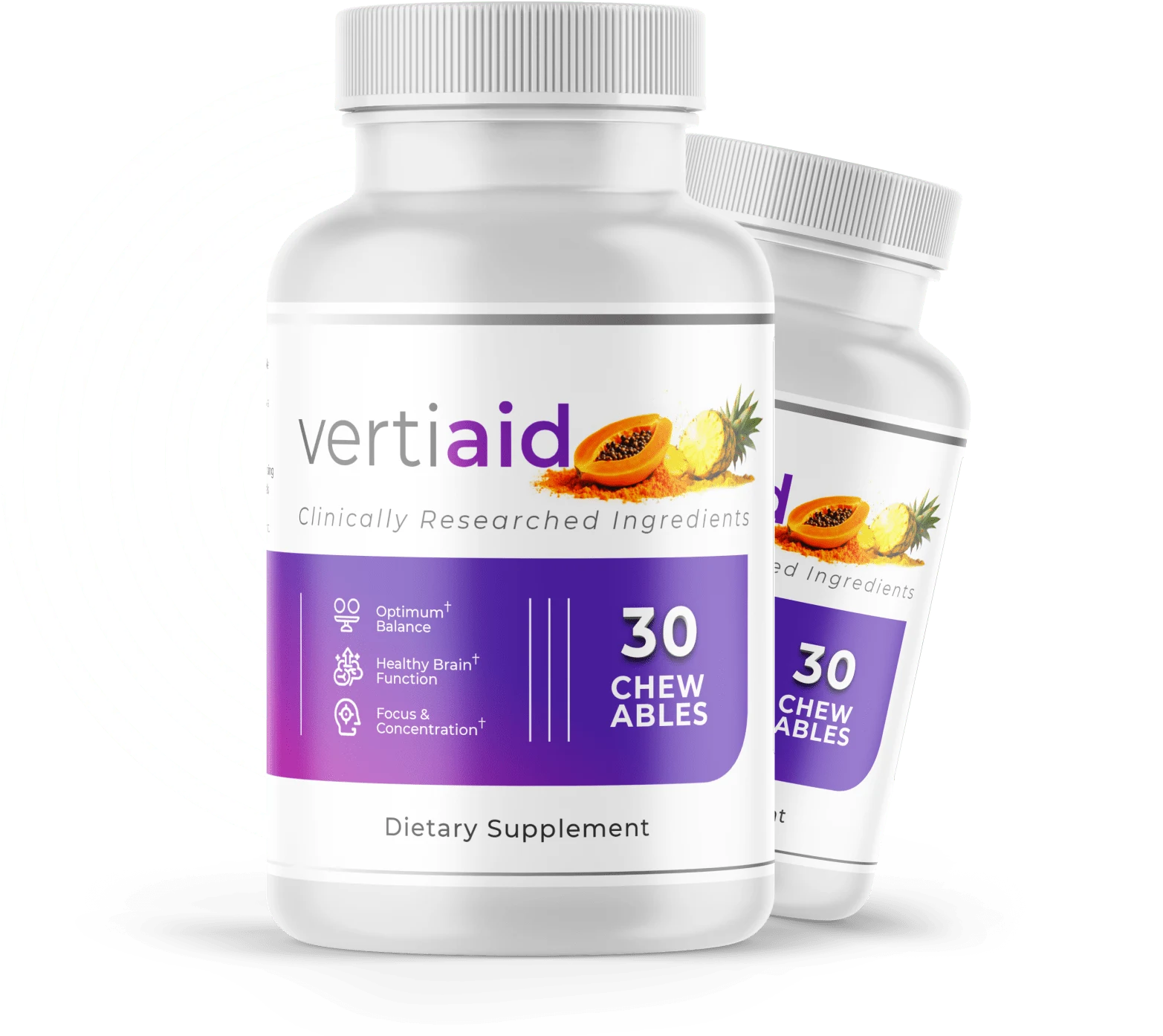
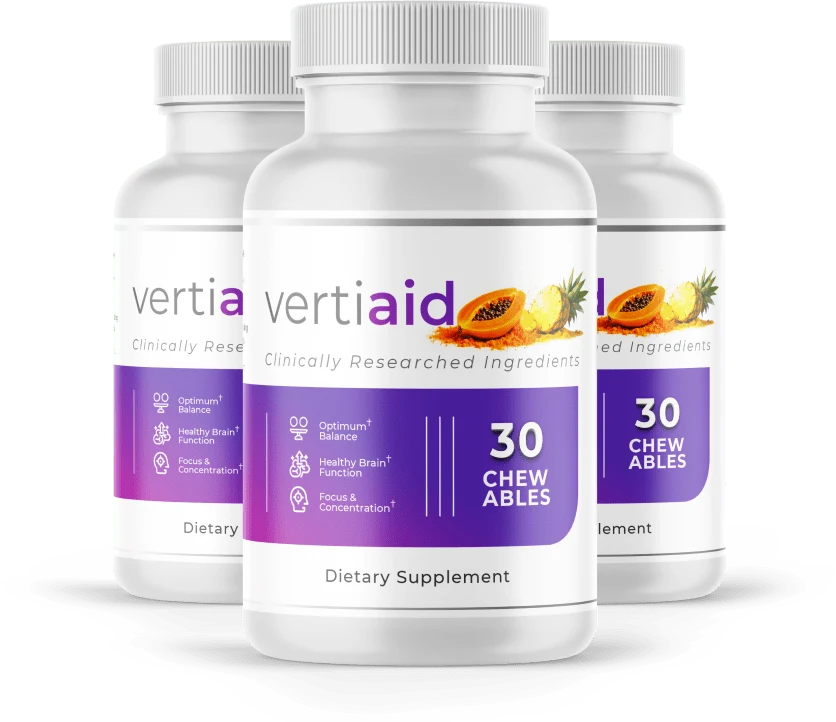
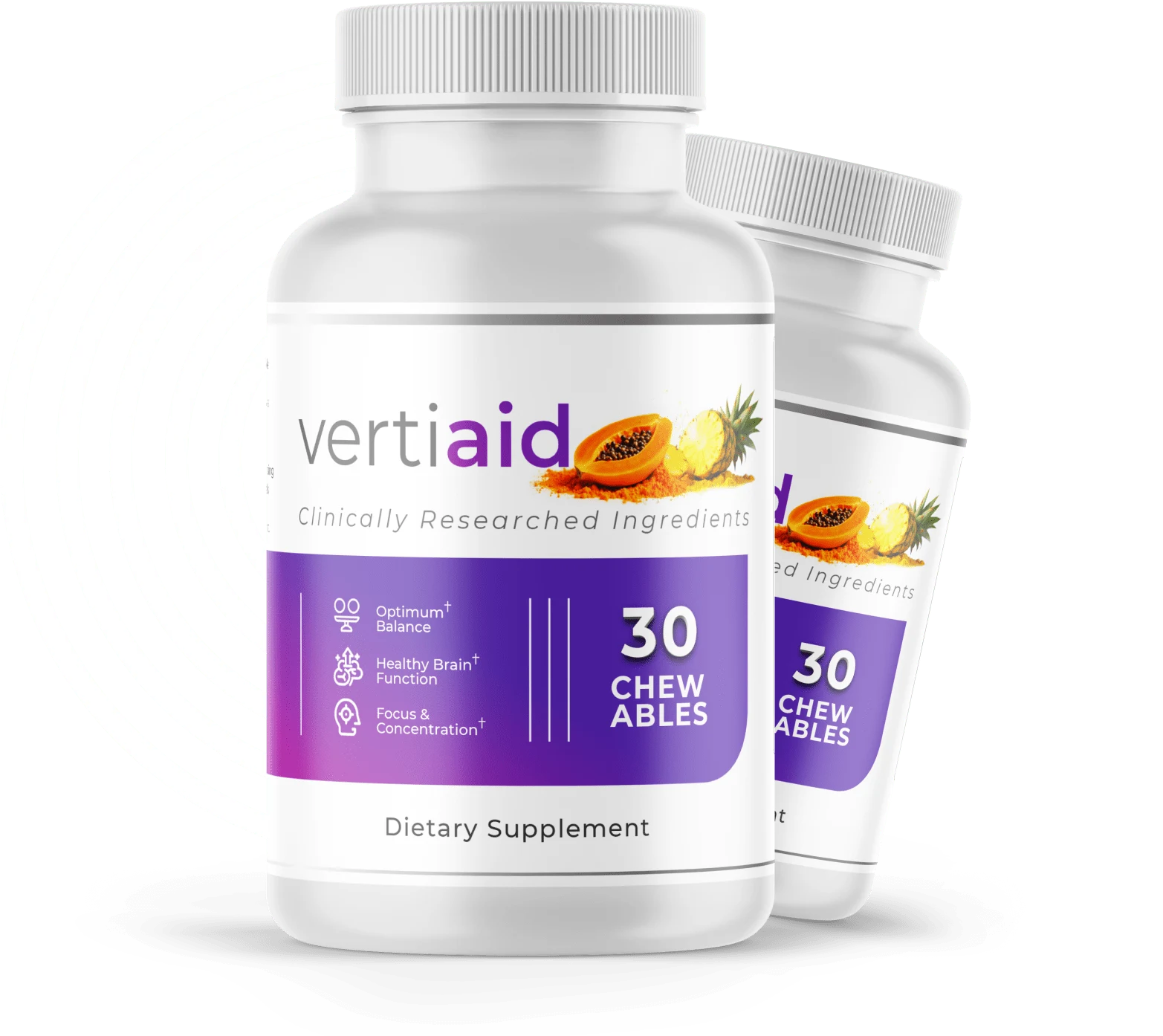
When considering supplementation, it's important to look for products that offer a synergistic blend of nutrients. Vitamin D works best when paired with co-factors like **Vitamin K2** (which helps direct calcium to bones and prevents its accumulation in soft tissues) and **Magnesium** (which is essential for Vitamin D activation and hundreds of other bodily processes). A comprehensive supplement designed for vestibular health, like Vertiaide, often includes these co-factors along with other beneficial ingredients.
4. Lifestyle Adjustments and Holistic Support
- Stay Hydrated: Proper hydration is vital for all bodily functions, including the delicate fluid balance within the inner ear.
- Balanced Diet: A diet rich in anti-inflammatory foods, antioxidants, and essential minerals supports overall neurological and inner ear health.
- Stress Management: Chronic stress can exacerbate vertigo symptoms. Practices like meditation, yoga, or deep breathing can help manage stress levels.
- Regular Exercise: While challenging with vertigo, gentle exercises, balance training, and vestibular rehabilitation therapy (VRT) can significantly improve stability and reduce dizziness over time.
- Avoid Triggers: Identify and avoid specific triggers for your vertigo, which might include certain foods, caffeine, alcohol, or rapid head movements.
By combining these strategies, individuals can effectively address Vitamin D deficiency, strengthen their vestibular system, and take proactive steps towards a life with less dizziness and greater balance. Remember, always consult with a healthcare professional before starting any new supplement regimen or making significant changes to your health plan, especially if you have a medical condition or are taking medications.
Vertiaide: A Synergistic Approach to Vestibular Support
Vertiaide is meticulously formulated to provide comprehensive support for inner ear health, neurological balance, and overall well-being, recognizing the intricate connections between nutrient status and vestibular function. It combines key vitamins, minerals, and botanical extracts known for their beneficial effects on dizziness and balance.

Vitamin D3 (Cholecalciferol)
Role: Crucial for calcium absorption, bone health, immune function, and inner ear crystal maintenance. Directly linked to BPPV prevention and overall vestibular integrity.
2000-5000 IU
Vitamin K2 (Menaquinone)
Role: Works synergistically with Vitamin D3 to direct calcium to bones and teeth, preventing calcification in soft tissues and potentially aiding inner ear crystal stability.
90-180 mcg
Magnesium (Citrate/Glycinate)
Role: Essential co-factor for Vitamin D activation and hundreds of bodily processes, including nerve function and muscle relaxation. Supports overall cellular health crucial for vestibular function.
200-400 mg
Ginkgo Biloba Extract
Role: Improves blood flow to the brain and inner ear, enhancing oxygen and nutrient delivery. Known for its neuroprotective and antioxidant properties, often used for dizziness and tinnitus.
120-240 mg
Ginger Root Extract
Role: A natural anti-inflammatory and anti-nausea agent. Helps alleviate symptoms of dizziness and motion sickness often associated with vertigo, providing soothing relief.
500-1000 mg
B-Complex Vitamins (B6, B9, B12)
Role: Vital for nerve health, neurotransmitter synthesis, and energy metabolism. B6 is specifically linked to reducing nausea and dizziness, while B9 and B12 support overall neurological function.
Varies (e.g., B6 50mg, B9 400mcg, B12 500mcg)
Coenzyme Q10 (CoQ10)
Role: A powerful antioxidant crucial for cellular energy production, particularly in high-energy demand organs like the brain and inner ear. Protects against oxidative stress and supports mitochondrial health.
100-200 mg
Alpha Lipoic Acid (ALA)
Role: A potent antioxidant that helps regenerate other antioxidants like Vitamin C and E. Supports nerve health and may reduce inflammation, contributing to overall vestibular well-being.
300-600 mg
Take Control of Your Balance with Vertiaide
Vertiaide is a premium, all-natural supplement meticulously formulated to support inner ear health, neurological balance, and overall vestibular function. Developed with a synergistic blend of vitamins, minerals, and botanical extracts, it aims to address common deficiencies and pathways associated with dizziness and vertigo.
- Supports healthy inner ear function
- Promotes optimal nerve communication
- Enhances calcium metabolism for crystal stability
- Boosts natural energy and cognitive clarity
- Made with clinically studied, natural ingredients




Hear From Our Satisfied Customers
"Before Vertiaide, my life was a constant battle with dizzy spells. Within weeks, I felt a noticeable improvement in my stability and overall well-being. It's truly changed my daily life!"
"I was skeptical, but after learning about the Vitamin D link, I decided to try Vertiaide. My BPPV episodes have become less frequent and less severe. I feel more confident walking around."
"This supplement is a game-changer. The combination of ingredients seems to tackle my vertigo from multiple angles. I haven't felt this steady in years, and my energy levels are up too!"
Frequently Asked Questions
How does Vitamin D specifically relate to vertigo?
+Vitamin D plays a crucial role in calcium regulation, which is vital for the health and stability of the otoconia (calcium carbonate crystals) in your inner ear. These crystals are essential for sensing head movements. Deficiency can lead to dislodged crystals, a primary cause of Benign Paroxysmal Positional Vertigo (BPPV), and may also impact immune function and nerve health, contributing to other forms of vertigo.
Can simply taking a Vitamin D supplement cure my vertigo?
+While Vitamin D supplementation can significantly reduce the recurrence of BPPV and improve overall vestibular health, it's not a guaranteed cure for all types of vertigo. Vertigo has many causes, and Vitamin D deficiency is just one potential factor. It's crucial to consult with a healthcare professional for an accurate diagnosis and a comprehensive treatment plan.
What are the common symptoms of Vitamin D deficiency?
+Beyond vertigo and dizziness, common symptoms of Vitamin D deficiency include fatigue, bone pain, muscle weakness or aches, mood changes (depression), impaired wound healing, and frequent infections. Many people are asymptomatic, making testing important if a deficiency is suspected.
How long does it take to see improvements in vertigo symptoms after addressing Vitamin D deficiency?
+The timeframe for improvement can vary widely depending on the severity of the deficiency, individual response, and the specific cause of vertigo. Some individuals may notice improvements in a few weeks, especially regarding BPPV recurrence, while for others, it might take several months to stabilize Vitamin D levels and observe significant changes in symptoms. Consistent supplementation and lifestyle changes are key.
Is Vertiaide suitable for all types of vertigo?
+Vertiaide is formulated to support general vestibular health, inner ear function, and neurological balance, addressing common underlying factors like nutrient deficiencies and inflammation that can contribute to various forms of dizziness and vertigo. While it may offer broad support, it's particularly beneficial for those whose vertigo is related to nutrient imbalances, such as Vitamin D deficiency, or general inner ear issues. Always consult your doctor for personalized advice.
Are there any side effects associated with Vertiaide or Vitamin D supplementation?
+Vertiaide is made with natural ingredients and is generally well-tolerated. However, as with any supplement, individual reactions can occur. High doses of Vitamin D can lead to hypercalcemia, but this is rare with recommended dosages. It's always advisable to consult your healthcare provider before starting any new supplement, especially if you have pre-existing conditions or are taking other medications, to ensure it's safe and appropriate for you.
Related Articles