Are you tired of the world spinning around you, or the constant fear of losing your balance?
Vertigo and balance issues, often stemming from inner ear fluid imbalances, can severely disrupt daily life. The good news is that while medical treatments are crucial, the food you eat can play a significant, often overlooked, role in managing these challenging conditions.
For many, simple adjustments to their daily diet can lead to remarkable improvements, helping to stabilize inner ear fluid levels and alleviate the debilitating symptoms of dizziness and imbalance. This comprehensive guide, informed by the latest research, will empower you to make dietary choices that support a healthier vestibular system and a more stable life.
Understanding Inner Ear Fluid and Its Role in Balance
The inner ear is a marvel of biological engineering, responsible not only for hearing but also for our sense of balance. At its core lies a complex system of fluid-filled canals and sacs, collectively known as the vestibular system. When this delicate system is disrupted, the consequences can be debilitating, manifesting as vertigo, dizziness, and unsteadiness.
The primary fluid involved in balance is called endolymph. This fluid fills the semicircular canals and the otolith organs (utricle and saccule) within the inner ear. As we move our heads, the endolymph shifts, stimulating tiny hair cells that send signals to the brain about our head's position and motion. This information is crucial for maintaining posture, coordinating eye movements, and preventing falls. A proper volume and chemical composition of endolymph are essential for the vestibular system to function correctly. When there's an excess or imbalance of this fluid, it can put pressure on the delicate structures of the inner ear, leading to distorted signals and the sensation of spinning or loss of balance.
Conditions like Meniere's disease are classic examples of inner ear fluid imbalance. Meniere's is characterized by an abnormal buildup of endolymph, known as endolymphatic hydrops, which leads to a triad of symptoms: episodic vertigo, fluctuating hearing loss, and tinnitus (ringing in the ear). While Meniere's is a specific diagnosis, many other forms of vertigo and dizziness can be influenced by subtle changes in inner ear fluid dynamics, fluid retention, or inflammation within the vestibular system. Understanding this fundamental connection is the first step toward exploring how dietary interventions can offer relief and support.
💡 Key Takeaway
Inner ear fluid (endolymph) is critical for balance. Imbalances, often due to excess fluid or inflammation, can cause debilitating vertigo and dizziness. Diet plays a significant role in managing these fluid levels and supporting vestibular health.
The Profound Connection Between Diet and Vestibular Health
It might seem indirect, but what you eat and drink profoundly affects your body's fluid balance, inflammation levels, and overall cellular function – all of which directly impact the delicate inner ear. Your diet isn't just about weight or general health; it's a powerful tool for managing specific conditions, including those affecting your balance.
The inner ear is highly sensitive to changes in the body's internal environment. For instance, the regulation of endolymph relies on a precise balance of electrolytes (like sodium and potassium) and water. When this balance is disturbed by dietary choices – such as excessive sodium intake or insufficient hydration – it can lead to fluid retention or shifts within the inner ear, exacerbating symptoms of vertigo and dizziness. Beyond fluid balance, diet also influences systemic inflammation, blood circulation, and nerve health, all critical components of a healthy vestibular system. Chronic inflammation, often fueled by processed foods and sugars, can damage the delicate structures of the inner ear, while poor circulation can deprive it of essential nutrients and oxygen. Conversely, a nutrient-rich diet can provide the building blocks for repair, reduce inflammation, and optimize nerve function, promoting a more stable and resilient vestibular system. This intricate relationship underscores why dietary modifications are increasingly recognized as a cornerstone of managing vertigo and balance disorders.
Essential Dietary Strategies to Reduce Inner Ear Fluid & Improve Balance
Implementing targeted dietary changes can be a powerful strategy in managing inner ear fluid imbalances and the associated symptoms of vertigo and dizziness. These strategies focus on regulating fluid levels, reducing inflammation, and providing essential nutrients for optimal vestibular function.
Strict Sodium Reduction
This is perhaps the most critical dietary intervention for conditions like Meniere's disease. High sodium intake leads to fluid retention throughout the body, including the inner ear. Reducing sodium helps to decrease the volume of endolymph, thereby alleviating pressure and reducing the frequency and severity of vertigo attacks. Aim for less than 1500-2000 mg of sodium per day, focusing on fresh, unprocessed foods.
Consistent Hydration
While counterintuitive for fluid retention, consistent intake of plain water is vital. Dehydration can trigger headaches and dizziness and disrupt the body's overall fluid and electrolyte balance. Drinking adequate water throughout the day helps your body process and eliminate excess fluids more efficiently, rather than retaining them in delicate areas like the inner ear. Avoid sugary drinks and excessive caffeine, which can dehydrate you.
Moderate Caffeine and Alcohol Intake
Both caffeine and alcohol are diuretics, meaning they increase urine production and can lead to dehydration. They can also affect blood flow to the inner ear and act as stimulants or depressants to the central nervous system, potentially exacerbating dizziness and tinnitus. Gradual reduction or complete elimination of these substances is often recommended for individuals with vestibular issues.
Stabilize Blood Sugar Levels
Fluctuations in blood sugar can trigger vestibular symptoms in some individuals. A diet high in refined sugars and simple carbohydrates can lead to rapid spikes and drops in blood glucose, potentially affecting brain function and inner ear sensitivity. Focus on complex carbohydrates, lean proteins, and healthy fats to maintain stable blood sugar throughout the day.
Identify and Eliminate Food Allergens/Sensitivities
For some, specific food allergens or sensitivities can trigger inflammatory responses that manifest as vestibular symptoms. Common culprits include gluten, dairy, soy, eggs, and certain food additives. An elimination diet, conducted under medical supervision, can help identify if particular foods are contributing to your vertigo or balance issues. Once identified, avoiding these triggers can significantly reduce symptoms.
Increase Magnesium and Potassium
These electrolytes are crucial for maintaining proper fluid balance and nerve function. Magnesium is involved in over 300 biochemical reactions, including those that support nerve transmission and blood vessel relaxation, which can improve blood flow to the inner ear. Potassium works with sodium to regulate fluid inside and outside cells. Foods rich in magnesium include leafy greens, nuts, seeds, and whole grains. Potassium is abundant in fruits like bananas, oranges, and vegetables such as potatoes and spinach.
Incorporate Omega-3 Fatty Acids
Omega-3s, found in fatty fish, flaxseeds, and walnuts, are powerful anti-inflammatory agents. Chronic inflammation can damage the delicate structures of the inner ear and contribute to vestibular disorders. By reducing systemic inflammation, omega-3s can help protect inner ear cells and potentially alleviate symptoms. Aim for at least two servings of fatty fish per week or consider a high-quality omega-3 supplement.
Boost Antioxidant Intake
Antioxidants protect cells from damage caused by free radicals, which can contribute to inner ear dysfunction. A diet rich in colorful fruits and vegetables provides a wide array of antioxidants, including vitamins C and E, beta-carotene, and various polyphenols. These compounds support overall cellular health and can help maintain the integrity of the vestibular system.
Ensure Adequate Vitamin D Levels
Emerging research suggests a link between vitamin D deficiency and certain types of vertigo, particularly BPPV (Benign Paroxysmal Positional Vertigo). Vitamin D plays a crucial role in calcium metabolism, which is essential for the healthy functioning of the otoconia (calcium carbonate crystals) in the inner ear. Ensuring sufficient vitamin D intake through sunlight exposure, fortified foods, or supplements may help in managing and preventing vertigo episodes. For more detailed insights, you can read our article on Vitamin D Deficiency and Vertigo Connection.
Consider Natural Vestibular Support
Certain herbs and natural compounds have been traditionally used to support vestibular health. Ginger, for example, is well-known for its anti-nausea properties and may help alleviate vertigo symptoms. Ginkgo Biloba is often studied for its potential to improve blood flow to the brain and inner ear. While these can be beneficial, always discuss their use with a healthcare professional, especially if you are on medication. You can explore more about natural treatments in our comprehensive guide on Natural Treatment for BPPV and Vertigo.
Foods to Emphasize for Vestibular Health
Building a diet that supports your inner ear and balance means focusing on whole, unprocessed foods that provide essential nutrients without contributing to inflammation or fluid retention.
Fresh Fruits & Vegetables
Rich in vitamins, minerals, antioxidants, and fiber. Leafy greens, berries, bananas, oranges, and bell peppers are excellent choices. They help fight inflammation and provide crucial electrolytes like potassium.
Lean Proteins
Chicken, turkey, fish, beans, lentils, and tofu provide amino acids essential for tissue repair and neurotransmitter production. They also help stabilize blood sugar, preventing energy crashes that can trigger dizziness.
Whole Grains
Oats, brown rice, quinoa, and whole wheat bread offer complex carbohydrates that provide sustained energy and help maintain stable blood sugar levels. Choose low-sodium or unsalted varieties.
Healthy Fats
Avocados, nuts, seeds, and olive oil provide essential fatty acids, including omega-3s, which are crucial for reducing inflammation and supporting brain and nerve function. Avoid trans fats and excessive saturated fats.
Herbal Teas
Ginger tea, peppermint tea, and chamomile tea can be soothing and offer anti-nausea or anti-inflammatory benefits without the stimulating effects of caffeine. Ensure they are unsweetened.
Plenty of Water
Pure, filtered water is your best friend. Aim for 8-10 glasses a day to ensure proper hydration and help your body regulate fluid balance effectively. This is key for inner ear health.
Foods to Limit or Avoid with Vertigo and Balance Issues
Just as there are foods that help, there are also those that can exacerbate symptoms. Being mindful of these can significantly contribute to better symptom management.
High-Sodium Foods
Processed foods, canned soups, fast food, cured meats, pickles, and excessive table salt can cause fluid retention and increase pressure in the inner ear. Always check food labels for sodium content.
Caffeine (Excessive)
Coffee, tea, energy drinks, and some sodas can act as diuretics and vasoconstrictors, potentially affecting blood flow to the inner ear and causing dehydration or triggering symptoms. Moderate intake is key, or complete avoidance for sensitive individuals.
Alcohol
Alcohol is a diuretic and a central nervous system depressant. It can impair balance, cause dehydration, alter fluid composition in the inner ear, and worsen dizziness and coordination. It's often recommended to avoid it entirely during symptomatic periods.
Added Sugars & Refined Carbs
Sweets, pastries, sugary drinks, white bread, and white pasta can lead to rapid blood sugar fluctuations, contributing to inflammation and potentially triggering vestibular symptoms. Opt for natural sweeteners in moderation and whole grains.
Artificial Sweeteners & Additives
Some individuals report sensitivities to artificial sweeteners (aspartame, sucralose) and food additives (MSG, artificial colors), which can trigger headaches or dizziness. Pay attention to how your body reacts to these.
Potential Allergens
Common allergens like gluten, dairy, and soy can cause systemic inflammation in sensitive individuals, potentially impacting inner ear health. If you suspect an allergy, consult a doctor for testing or try an elimination diet.
Practical Tips for Implementing Dietary Changes
Making significant dietary changes can feel daunting, but with a structured approach, it becomes much more manageable. Here are some practical tips to help you successfully integrate these recommendations into your daily life and support your vestibular health.
Start Gradually: Don't try to overhaul your entire diet overnight. Begin by tackling one or two areas, such as reducing sodium or cutting back on caffeine. Once those changes feel natural, introduce the next step. Gradual changes are more sustainable and less overwhelming.
Read Food Labels Diligently: Sodium lurks in unexpected places. Get into the habit of checking nutrition labels for sodium content, added sugars, and artificial ingredients. Look for "low sodium," "no added salt," or "unsalted" options. Be aware that many processed foods, even sweet ones, contain high levels of sodium.
Cook More at Home: Preparing your own meals gives you complete control over the ingredients. This is the easiest way to manage sodium, sugar, and fat intake. Experiment with herbs and spices to add flavor without relying on salt. Lemon juice, garlic, onion, and various herbs can make dishes delicious and healthy.
Plan Your Meals and Snacks: Having a meal plan for the week can prevent impulsive, unhealthy choices. Prepare healthy snacks in advance, such as fruit, nuts (unsalted), or vegetable sticks, to avoid reaching for processed options when hunger strikes.
Stay Hydrated Smartly: Carry a water bottle with you and sip throughout the day. If plain water feels boring, infuse it with slices of cucumber, lemon, or berries for natural flavor. Remember to avoid sugary beverages and excessive caffeine.
Keep a Food and Symptom Journal: This is an invaluable tool for identifying personal triggers. For a few weeks, record everything you eat and drink, along with any vertigo or balance symptoms you experience. This can reveal patterns that generic advice might miss, such as a specific food sensitivity. This is especially helpful if you are trying to identify potential Meniere's triggers, as discussed in our Meniere's Disease Supplement Review.
Seek Professional Guidance: Working with a registered dietitian or a healthcare provider specializing in vestibular disorders can provide personalized advice. They can help you create a tailored meal plan, ensure you're getting all necessary nutrients, and navigate potential food sensitivities safely. They can also help you understand if your current medications might interact with certain dietary changes or supplements.
Be Patient and Consistent: Dietary changes take time to yield results. Don't get discouraged if you don't see immediate improvements. Consistency is key. Even small, sustained changes can lead to significant long-term benefits for your inner ear health and overall well-being.
Complementing Your Diet: The Role of Targeted Supplements Like Vertiaide
While diet is a powerful foundation, sometimes the body needs extra support to restore optimal inner ear function and balance. This is where targeted nutritional supplements can play a crucial role, filling potential gaps and providing concentrated doses of compounds known to support vestibular health.
Vertiaide is a natural supplement designed to complement your dietary efforts by providing a synergistic blend of ingredients specifically chosen for their potential to support inner ear health, regulate fluid balance, and alleviate symptoms of vertigo and dizziness. It's formulated to work alongside a healthy lifestyle, offering an additional layer of support for those struggling with balance disorders. The ingredients in Vertiaide are selected based on scientific research and traditional use for their neuroprotective, anti-inflammatory, and circulatory benefits, all of which are vital for a healthy vestibular system.
Let's explore some of the key ingredients found in Vertiaide and how they contribute to its comprehensive approach to balance support:

Ginkgo Biloba
Role: Improves blood circulation to the brain and inner ear, enhancing oxygen and nutrient delivery. It also has antioxidant properties that protect delicate ear structures.
Standardized Extract (24% Flavone Glycosides)
Magnesium
Role: Essential for nerve function and muscle relaxation. It plays a role in electrolyte balance and may help reduce the frequency of vestibular migraines and Meniere's attacks.
200-400 mg
Vitamin D3
Role: Crucial for calcium metabolism and bone health, directly impacting the otoconia in the inner ear. Deficiency is linked to increased risk of BPPV and other balance issues.
2000-4000 IU
Ginger Root Extract
Role: A well-known anti-nausea and anti-inflammatory agent. It helps calm the digestive system and may reduce the sensation of spinning and dizziness associated with vertigo.
500-1000 mg
Potassium
Role: Works in conjunction with sodium to maintain proper fluid and electrolyte balance within the body, including the inner ear, helping to regulate endolymph volume.
99-200 mg
Bioflavonoids (e.g., Rutin, Quercetin)
Role: Potent antioxidants and anti-inflammatory compounds that support capillary health and reduce vascular permeability, potentially stabilizing blood flow and fluid dynamics in the inner ear.
250-500 mg
Acetyl-L-Carnitine (ALCAR)
Role: Supports mitochondrial function and nerve health. It has neuroprotective properties and can improve cognitive function, which can be affected by chronic dizziness and fatigue.
500-1000 mg
Coenzyme Q10 (CoQ10)
Role: A powerful antioxidant and essential for cellular energy production. It protects against oxidative stress and may improve blood flow and nerve function in the inner ear.
100-200 mg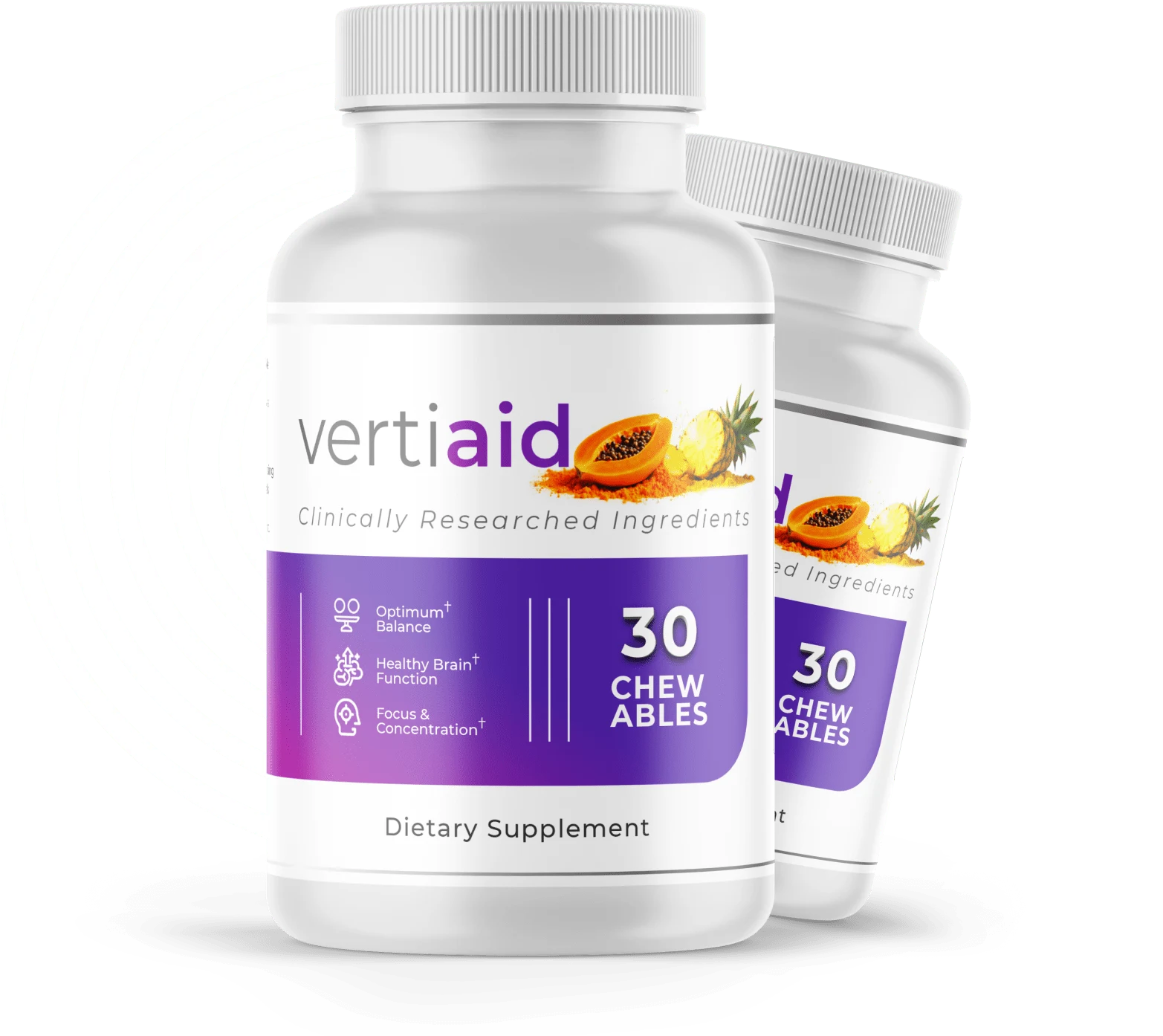
Ready to Reclaim Your Balance and Stability?
Vertigo and balance issues don't have to control your life. By combining smart dietary choices with the targeted support of Vertiaide, you can empower your body to manage inner ear fluid, reduce dizziness, and improve your overall quality of life. Don't let the spinning sensation hold you back any longer.
- ✓ Supports healthy inner ear fluid balance
- ✓ Reduces frequency and intensity of vertigo episodes
- ✓ Promotes improved balance and stability
- ✓ Made with a blend of natural, scientifically-backed ingredients
- ✓ Non-GMO, GMP-certified, and made in the USA




What Our Customers Are Saying
"I've struggled with Meniere's for years, and while diet helps, Vertiaide has been a game-changer. My vertigo attacks are less frequent and less severe. I feel so much more confident in my daily activities."
"After starting a low-sodium diet and adding Vertiaide, my chronic dizziness has significantly improved. It's not an overnight fix, but the consistent progress has given me my life back. Highly recommend!"
"I was skeptical, but the combination of dietary changes and Vertiaide has made a real difference. My balance feels more stable, and the constant feeling of being 'off' has largely subsided. Thank you!"
Frequently Asked Questions
How quickly can diet changes impact vertigo symptoms?
+The speed at which diet changes impact vertigo symptoms can vary significantly from person to person. Some individuals may notice improvements within a few weeks, especially with strict adherence to low-sodium or allergen-free diets. For others, it might take a few months to observe consistent benefits. It's crucial to be patient and consistent, as the body needs time to adjust and rebalance. Tracking your symptoms and dietary intake can help you identify patterns and assess the effectiveness of your changes over time.
Is Meniere's disease the only condition where diet helps inner ear fluid?
+While dietary modifications, particularly sodium restriction, are most commonly associated with managing Meniere's disease due to its direct link with endolymphatic hydrops (excess inner ear fluid), diet can also play a supportive role in other vestibular conditions. For instance, reducing inflammatory foods might benefit individuals with vestibular migraine, and identifying food allergies or sensitivities could help those with non-Meniere's related dizziness. Proper hydration and nutrient intake are universally beneficial for overall health, including vestibular function.
Are there specific foods I should absolutely avoid with vertigo?
+For many individuals experiencing vertigo or balance issues, especially those with suspected inner ear fluid imbalances, certain foods are often recommended to be avoided or significantly limited. High-sodium foods (processed snacks, canned goods, fast food), excessive caffeine (coffee, energy drinks), alcohol, and high-sugar items (sweets, sugary drinks) are common culprits that can exacerbate symptoms. Additionally, some people find relief by avoiding specific food allergens or sensitivities like gluten, dairy, or certain artificial additives, though this is more individualized.
Can supplements replace dietary changes for balance issues?
+Supplements can be a valuable complement to dietary changes, but they generally cannot replace a holistic nutritional approach. A balanced diet provides a broad spectrum of nutrients that work synergistically to support overall health, including vestibular function. Supplements like Vertiaide are designed to provide concentrated doses of specific ingredients that may be difficult to obtain sufficiently through diet alone or that offer targeted support for inner ear health. For optimal results, combining a healthy diet with targeted supplementation is often the most effective strategy.
How does Vertiaide specifically help with inner ear fluid and balance?
+Vertiaide is formulated with a blend of natural ingredients known for their potential to support inner ear health and reduce vertigo symptoms. Ingredients such as Ginkgo Biloba are thought to improve blood circulation to the inner ear, while compounds like Magnesium and Potassium help maintain proper electrolyte balance, which is crucial for regulating inner ear fluid. Antioxidants and anti-inflammatory ingredients can protect delicate vestibular structures. By addressing these physiological aspects, Vertiaide aims to stabilize inner ear function, reduce fluid imbalances, and consequently alleviate dizziness and improve balance.
Is it safe to make these diet changes if I'm on medication?
+It is absolutely crucial to consult with your physician or a registered dietitian before making significant diet changes, especially if you are currently on medication for vertigo, balance disorders, or any other health condition. Dietary changes can sometimes interact with medications, affecting their efficacy or leading to unintended side effects. For example, changes in potassium intake could impact diuretics, or certain supplements could interact with blood thinners. Your healthcare provider can offer personalized advice to ensure your dietary adjustments are safe and beneficial for your specific health needs.
Related Articles