Are You Tired of the World Spinning Around You?
Vertigo, the disorienting sensation of spinning or feeling off-balance, can profoundly impact daily life, turning simple tasks into daunting challenges. Millions worldwide struggle with this condition, often feeling helpless as they navigate a world that seems constantly in motion.
While medical interventions are crucial for severe cases, many individuals are actively seeking natural, sustainable ways to manage their symptoms and reclaim their equilibrium. The good news is that a comprehensive approach incorporating lifestyle adjustments, specific exercises, and targeted nutritional support can offer significant vertigo relief naturally, helping you regain control and stability.
Understanding Vertigo: More Than Just Dizziness
Before diving into natural remedies, it's essential to understand what vertigo is and its common underlying causes. This understanding empowers you to choose the most effective relief strategies.
Vertigo is not merely lightheadedness; it's a specific sensation of motion, either that you are spinning or that your surroundings are spinning. It often stems from issues within the vestibular system, which includes parts of the inner ear and brain that process sensory information involved in controlling balance and eye movements. The most common form is Benign Paroxysmal Positional Vertigo (BPPV), caused by dislodged calcium carbonate crystals (otoconia) in the inner ear. Other causes include Meniere's disease, vestibular neuritis, labyrinthitis, head injuries, certain medications, and even anxiety or migraines.
Recognizing the type of vertigo you're experiencing is the first step toward finding effective relief. While a medical diagnosis is always recommended, understanding the general categories can help you identify potential natural solutions. For example, BPPV often responds well to specific physical maneuvers, while Meniere's disease might benefit more from dietary changes and stress reduction.
Living with vertigo can be incredibly frustrating. The sudden onset of dizziness, nausea, and imbalance can lead to falls, anxiety, and a significant reduction in quality of life. Many individuals report feeling isolated and limited by their condition. This is why exploring every avenue, including natural and holistic approaches, is so vital for regaining a sense of normalcy and stability.
For more detailed insights into specific treatments, you might find our article on BPPV natural treatment and supplement support very helpful.
💡 Key Takeaway
Vertigo is a specific spinning sensation, often linked to inner ear issues. Identifying its cause is crucial for effective treatment, and natural approaches can provide significant relief by addressing underlying factors and supporting vestibular health.
Foundational Natural Strategies for Vertigo Relief
A holistic approach to vertigo relief begins with foundational changes to your diet and lifestyle. These strategies aim to stabilize your inner ear, reduce inflammation, and enhance your body's natural healing capabilities.
Hydration and Electrolyte Balance
Dehydration can exacerbate vertigo symptoms by affecting fluid balance in the inner ear. Ensuring adequate water intake throughout the day is critical. Additionally, maintaining proper electrolyte balance (sodium, potassium, magnesium) helps regulate fluid pressure within the vestibular system, which is crucial for inner ear health. Avoid excessive caffeine and alcohol, as they can contribute to dehydration.
Dietary Adjustments
Certain foods and dietary patterns can trigger or worsen vertigo. A low-sodium diet is often recommended for those with Meniere's disease, as it helps reduce fluid retention in the inner ear. Limiting processed foods, artificial sweeteners, and allergens can also decrease systemic inflammation that might impact vestibular function. Focus on whole, unprocessed foods rich in antioxidants.
Stress Management Techniques
Stress and anxiety are significant triggers for vertigo episodes for many individuals. High stress levels can impact blood flow to the inner ear and exacerbate symptoms. Incorporating stress-reducing practices like meditation, deep breathing exercises, yoga, or spending time in nature can help calm the nervous system and potentially reduce the frequency and intensity of vertigo attacks.
Adequate Sleep
Sleep deprivation can throw your body's systems, including your vestibular system, out of balance. Aim for 7-9 hours of quality sleep per night. Establishing a consistent sleep schedule and creating a conducive sleep environment can significantly improve overall well-being and potentially reduce vertigo symptoms. Avoid screens before bed and ensure your bedroom is dark and cool.
Regular, Gentle Exercise
While intense exercise might be challenging during a vertigo episode, gentle physical activity can improve circulation, balance, and overall vestibular function. Activities like walking, tai chi, or specialized vestibular rehabilitation exercises (under guidance) can help your brain compensate for inner ear issues over time. Always listen to your body and avoid movements that trigger severe dizziness.
Targeted Exercises and Maneuvers for Specific Vertigo Types
For many, particularly those with BPPV, specific head and body maneuvers can offer immediate and significant relief by repositioning dislodged inner ear crystals.
One of the most well-known and effective maneuvers for BPPV is the Epley maneuver. This series of head and body movements is designed to guide the displaced otoconia (inner ear crystals) back into their proper place within the inner ear. It can be performed at home, but initial guidance from a healthcare professional or a physical therapist specializing in vestibular rehabilitation is highly recommended to ensure correct execution and maximize effectiveness. You can learn more about how supplements can support the repositioning of inner ear crystals by reading our article on inner ear crystals supplement support.
Another common maneuver is the Semont maneuver. Similar to the Epley, it involves specific head and body positions to dislodge and reposition the crystals. While both are effective, one may be more suitable than the other depending on which ear and canal are affected. Again, proper diagnosis and instruction are key.
Beyond these acute maneuvers, vestibular rehabilitation therapy (VRT) is a specialized form of physical therapy designed to improve balance and reduce dizziness-related problems. VRT involves a customized program of exercises that help the brain adapt to and compensate for inner ear deficits. These exercises often include habituation, gaze stabilization, and balance training. Consistency and patience are vital for success with VRT, as it trains your brain to process balance information more effectively.
These exercises, when performed correctly and consistently, can significantly reduce the frequency and intensity of vertigo attacks, empowering individuals to regain confidence in their movements and daily activities.
Herbal Remedies and Nutritional Support
Beyond diet and exercise, certain natural compounds, herbs, and vitamins have been studied for their potential to alleviate vertigo symptoms by supporting inner ear health, reducing inflammation, and improving circulation.
Ginger Root
Known for its anti-nausea properties, ginger can be a powerful ally against the stomach upset often associated with vertigo. Studies suggest it may also help reduce the severity of dizziness by affecting blood flow to the brain and inner ear. It can be consumed as tea, in supplements, or even by chewing on a small piece of fresh ginger.
Ginkgo Biloba
This ancient herb is widely recognized for its ability to improve blood circulation, particularly to the brain and inner ear. Enhanced blood flow can be beneficial for vestibular function and may help reduce symptoms of dizziness and tinnitus associated with vertigo. Standardized extracts are commonly used in supplement form.
Magnesium
Magnesium is a vital mineral involved in over 300 biochemical reactions in the body, including nerve function and muscle relaxation. Some research suggests that magnesium deficiency may contribute to certain types of vertigo, particularly vestibular migraines. Supplementing with magnesium can help support overall neurological health.
Vitamin D
Emerging research indicates a potential link between Vitamin D deficiency and BPPV. Adequate Vitamin D levels may play a role in maintaining the integrity of the inner ear's otoconia (calcium crystals). Supplementation, especially in individuals with low levels, could help reduce the recurrence of BPPV.
B Vitamins
Specifically, Vitamin B6 (pyridoxine) and B12 are often highlighted for their roles in nerve health and metabolism. Deficiencies in these vitamins can sometimes contribute to neurological symptoms, including dizziness. B vitamins can support overall nervous system function, which is critical for balance and coordination.
Vertiaide: A Natural Complement to Your Vertigo Relief Journey
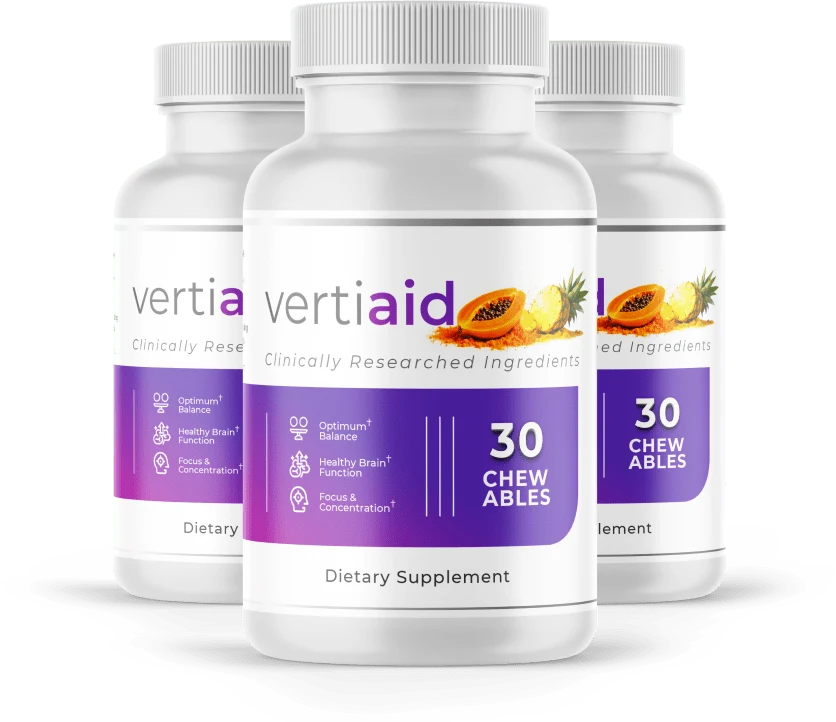
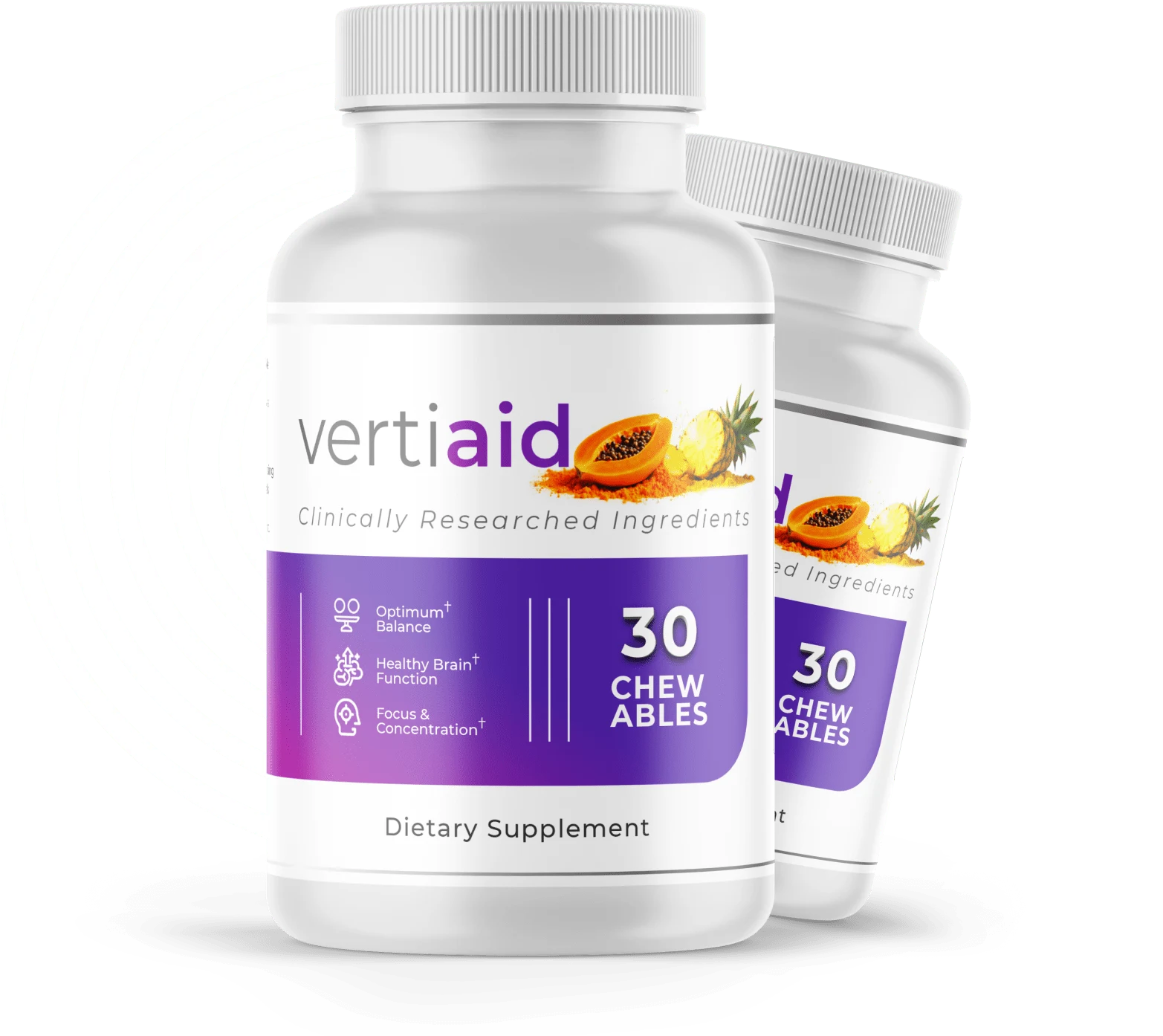
While lifestyle changes and specific maneuvers form the bedrock of natural vertigo relief, a targeted supplement can provide additional support, addressing nutritional gaps and enhancing the body's ability to maintain vestibular balance. Vertiaide is formulated with a blend of natural ingredients designed to support inner ear health and alleviate common vertigo symptoms.
Understanding that vertigo often stems from complex interactions within the vestibular system, Vertiaide aims to provide comprehensive support. It focuses on ingredients that promote healthy blood flow to the inner ear, reduce inflammation, and supply essential nutrients for optimal nerve function. By combining several beneficial compounds into a single, easy-to-take supplement, Vertiaide offers a convenient way to bolster your natural relief efforts.
Unlike some conventional treatments that may come with side effects, Vertiaide emphasizes a natural approach, aligning with the holistic strategies discussed throughout this article. It's designed to work synergistically with your body's natural processes, helping to stabilize your balance and reduce the disorienting sensations of vertigo. It's one solution among many, but one that can significantly enhance your natural relief journey.
For individuals looking for a natural, comprehensive solution to complement their existing vertigo management plan, Vertiaide presents a promising option. Always consult with your healthcare provider before introducing any new supplement, especially if you have underlying health conditions or are taking other medications.
Key Natural Ingredients in Vertiaide for Vestibular Support
Vertiaide harnesses the power of several well-researched natural ingredients, each selected for its unique contribution to inner ear health and vertigo relief.

Ginkgo Biloba
Role: Enhances cerebral and inner ear blood flow, crucial for optimal vestibular function and reducing dizziness.
120-240 mg daily
Ginger Root
Role: Potent anti-nausea and anti-inflammatory properties, effective in mitigating vertigo-associated stomach upset and discomfort.
500-1000 mg daily
Magnesium
Role: Essential for nerve signal transmission and muscle relaxation, potentially reducing vestibular migraines and supporting overall neurological balance.
200-400 mg daily
Vitamin D
Role: Supports calcium regulation and inner ear crystal integrity, potentially reducing BPPV recurrence, especially in deficient individuals.
1000-2000 IU daily
Vitamin B6
Role: Crucial for neurotransmitter synthesis and nerve health, which can help alleviate dizziness and motion sickness.
25-50 mg daily
Zinc
Role: Supports immune function and cellular repair, playing a role in maintaining overall inner ear health and resilience.
10-20 mg daily
Potassium
Role: Vital for fluid and electrolyte balance in the body, which is critical for regulating inner ear fluid pressure and function.
200-300 mg daily
Folic Acid
Role: Supports healthy blood flow and cellular health, contributing to optimal oxygen and nutrient delivery to the vestibular system.
400-800 mcg dailyWhen to Seek Professional Medical Advice
While natural remedies and supplements like Vertiaide can be highly effective for managing many types of vertigo, it's crucial to understand when professional medical attention is necessary.
Vertigo can sometimes be a symptom of a more serious underlying condition that requires immediate medical diagnosis and treatment. You should consult a doctor if your vertigo is severe, persistent, or accompanied by other concerning symptoms such as: sudden, severe headache, double vision or vision loss, hearing loss or ringing in the ears, weakness or numbness on one side of the body, difficulty speaking or swallowing, loss of consciousness, or fever. These symptoms could indicate a stroke, tumor, or other neurological issue. Additionally, if your vertigo significantly interferes with your daily activities, causes frequent falls, or if natural remedies are not providing adequate relief, a medical evaluation is essential to rule out other causes and determine the most appropriate course of action.
Natural approaches are generally safe and beneficial, but they are intended to complement, not replace, conventional medical care. A healthcare professional can provide an accurate diagnosis, recommend specific treatments, and monitor your progress. This integrated approach ensures you receive the best possible care for your condition, combining the benefits of natural support with expert medical guidance.
Reclaim Your Balance: Try Vertiaide Today!
If you're ready to move beyond the constant spinning and regain control of your life, Vertiaide offers a natural, scientifically-backed solution. Our expertly formulated supplement provides comprehensive support for your vestibular system, helping you find lasting relief.
- ✓ Supports healthy inner ear function
- ✓ Reduces feelings of dizziness and imbalance
- ✓ Enhances blood flow to the vestibular system
- ✓ Made with 100% natural, premium ingredients
- ✓ Backed by a 60-day money-back guarantee




What Our Customers Are Saying
"Vertiaide has been a game-changer for my chronic dizziness. I've tried so many things, but this is the first supplement that has truly helped me feel grounded and stable again. The spinning has significantly reduced!"
"I was skeptical at first, but after a few weeks of taking Vertiaide, I noticed a remarkable improvement. My morning vertigo attacks are almost gone, and I feel much more confident moving around. Highly recommend for anyone seeking natural relief."
"Combining Vertiaide with my daily exercises has given me my life back. The natural ingredients really seem to make a difference in my overall balance and reduce the nausea. It’s comforting to know I’m using a natural solution."
Frequently Asked Questions
What is vertigo and what causes it?
+Vertigo is a sensation of spinning or dizziness, often caused by inner ear problems like BPPV, Meniere's disease, or vestibular neuritis. It can also stem from head injuries or certain medications.
Can natural remedies truly help with vertigo?
+Yes, many natural strategies, including specific exercises, dietary adjustments, stress management, and certain natural supplements, can significantly help manage and reduce vertigo symptoms for many individuals.
Are there specific exercises I can do to relieve vertigo?
+Absolutely. Maneuvers like the Epley maneuver and Semont maneuver are highly effective for Benign Paroxysmal Positional Vertigo (BPPV) as they help reposition dislodged inner ear crystals.
How does diet impact vertigo symptoms?
+Diet plays a crucial role. Staying hydrated, reducing sodium intake, avoiding caffeine and alcohol, and incorporating anti-inflammatory foods can help stabilize inner ear fluid and reduce the frequency and intensity of vertigo attacks.
When should I see a doctor for my vertigo?
+You should consult a doctor if your vertigo is severe, persistent, accompanied by other symptoms like hearing loss, ringing in the ears, numbness, or difficulty speaking, or if natural remedies aren't providing relief.
How does Vertiaide fit into a natural vertigo relief plan?
+Vertiaide is designed to complement natural relief strategies by providing a blend of scientifically-backed ingredients known to support inner ear health, reduce inflammation, and improve blood flow to the vestibular system, addressing common underlying causes of vertigo.
Related Articles