Are you tired of the spinning, swaying, and debilitating dizziness of vestibular migraine?
Living with vestibular migraine (VM), often referred to as migraine-associated vertigo (MAV), can be an incredibly disorienting and frustrating experience. It’s more than just a headache; it’s a complex neurological condition that can severely impact your balance, spatial orientation, and overall quality of life.
Many individuals struggle for years to find an effective management strategy, often feeling misunderstood or misdiagnosed. Fortunately, there's growing research into holistic and natural approaches that can provide significant relief, helping you reclaim stability and clarity. This article will delve into understanding MAV/VM and explore how natural treatments can offer a path to better balance and reduced symptoms.

Understanding Vestibular Migraine (VM) and Migraine-Associated Vertigo (MAV)
Vestibular migraine is a condition that often goes unrecognized, yet it impacts millions. It’s crucial to understand its unique characteristics to seek appropriate and effective natural treatment.
For decades, the medical community struggled to define and diagnose what is now known as vestibular migraine (VM) or migraine-associated vertigo (MAV). Unlike classic migraines, where a severe headache is the defining feature, VM primarily manifests through vestibular symptoms – disturbances in balance, spatial orientation, and dizziness. While headaches can and often do accompany these episodes, they are not always present, leading to significant diagnostic challenges and often years of suffering for patients.
MAV is now recognized as the second most common cause of spontaneous recurrent vertigo, following Benign Paroxysmal Positional Vertigo (BPPV). It affects approximately 2-3% of the adult population and is particularly prevalent among women. The episodes can vary wildly in duration and intensity, ranging from brief moments of unsteadiness to debilitating hours or even days of spinning vertigo, making daily activities impossible. These attacks can be triggered by various factors, including stress, certain foods, hormonal fluctuations, sleep deprivation, and even barometric pressure changes.
The core issue in VM lies in a dysfunction of the brain's vestibular pathways, which process sensory information about head position and movement. During a VM attack, these pathways become overactive or dysregulated, leading to a mismatch between what your eyes see, what your body feels, and what your inner ear senses. This incongruence results in the characteristic symptoms of vertigo, dizziness, imbalance, and often a heightened sensitivity to motion, light, and sound (photophobia and phonophobia), similar to other migraine types.
It's important to distinguish VM from other forms of vertigo. For instance, Meniere's disease also causes vertigo, but it typically involves hearing loss and tinnitus, which are not primary symptoms of VM. BPPV, while common, is usually triggered by specific head movements and lasts only seconds to minutes. Accurate diagnosis by a neurologist or an otoneurologist specializing in balance disorders is essential to ensure the right treatment path is chosen.
Common Symptoms of Vestibular Migraine:
- Vertigo: A sensation of spinning, swaying, or tilting, either of oneself or the surroundings. This is the hallmark symptom and can last minutes to days.
- Dizziness: A general feeling of lightheadedness, unsteadiness, or disorientation.
- Imbalance: Difficulty maintaining balance, especially when walking or standing.
- Motion Sickness: Increased sensitivity to motion, whether in a car, on a boat, or even just watching moving objects.
- Nausea and Vomiting: Often accompanying severe vertigo episodes.
- Migraine Headache: While not always present, a typical migraine headache (throbbing, unilateral, light/sound sensitive) can occur before, during, or after a vestibular episode.
- Aura: Visual disturbances (flashing lights, zigzag lines) or other sensory changes that precede the vertigo or headache.
- Phonophobia & Photophobia: Increased sensitivity to sound and light.
- Tinnitus: Ringing or buzzing in the ears (less common than in Meniere's, but can occur).
- Cognitive Fog: Difficulty concentrating, memory problems, or a general feeling of being "out of it."
Understanding these symptoms and their variability is the first step toward effective management. Many individuals find significant relief by adopting a multi-faceted approach that combines lifestyle adjustments, dietary changes, and targeted natural supplements. This holistic strategy aims to stabilize the nervous system, reduce inflammation, and support overall vestibular health, thereby decreasing the frequency and intensity of VM episodes.
💡 Key Takeaway
Vestibular Migraine (VM) or Migraine-Associated Vertigo (MAV) is a complex neurological disorder causing recurrent vertigo and balance issues, often without severe headache. It requires a holistic approach, blending lifestyle changes, dietary management, and targeted natural supplements to stabilize the nervous system and reduce symptoms.
Conventional vs. Natural Approaches to Migraine Vertigo
When it comes to managing migraine-associated vertigo, patients often face a choice between traditional medical interventions and more holistic, natural methods. Both have their place, but understanding their differences can help you make informed decisions.
Conventional Medical Treatments
Traditional medicine often focuses on acute symptom relief and prevention using pharmaceuticals. This can include anti-migraine medications (triptans, CGRP inhibitors), anti-nausea drugs, and vestibular suppressants during acute attacks. For prevention, doctors might prescribe beta-blockers, calcium channel blockers, or antidepressants. While effective for some, these can come with side effects and may not address the root causes for everyone.
The Holistic Philosophy
Natural approaches, on the other hand, emphasize a holistic view, aiming to identify and mitigate triggers while strengthening the body's intrinsic ability to maintain balance and neurological health. This involves looking at diet, stress levels, sleep patterns, and nutritional deficiencies. The goal is not just to suppress symptoms but to create a more stable internal environment that reduces the likelihood of future episodes. This often leads to more sustainable, long-term relief.
Lifestyle Modifications
A cornerstone of natural treatment involves significant lifestyle adjustments. This includes identifying and avoiding dietary triggers (e.g., caffeine, aged cheeses, processed meats), maintaining a consistent sleep schedule, managing stress through mindfulness or yoga, and engaging in regular, moderate exercise. These changes can have a profound impact on reducing the frequency and severity of VM attacks by stabilizing the nervous system.
Targeted Nutritional Support
Many natural treatments for MAV/VM incorporate specific vitamins, minerals, and herbal extracts known for their neuroprotective, anti-inflammatory, or circulatory benefits. Supplements like magnesium, riboflavin (Vitamin B2), and CoQ10 are frequently recommended due to their roles in mitochondrial function and migraine prevention. Herbs such as ginger and ginkgo biloba are also valued for their potential to alleviate dizziness and improve circulation. Combining these elements can provide comprehensive support.

vestibular migraine relief?
The Role of Diet and Lifestyle in Managing MAV/VM
Beyond medication, what you eat and how you live can significantly influence the frequency and intensity of your vestibular migraine episodes. Embracing a mindful diet and healthy lifestyle is a powerful natural treatment.
One of the most impactful natural strategies for managing migraine-associated vertigo is identifying and eliminating dietary triggers. While triggers vary from person to person, common culprits include aged cheeses, red wine, chocolate, processed meats, artificial sweeteners, and excessive caffeine. Keeping a detailed food diary can help pinpoint your specific sensitivities. An elimination diet, followed by reintroduction, can be a valuable tool in this process. Focusing on whole, unprocessed foods, rich in fruits, vegetables, lean proteins, and healthy fats, forms the foundation of a migraine-friendly diet.
Beyond food, several lifestyle factors play a critical role. Adequate and consistent sleep is paramount; both too much and too little sleep can trigger VM attacks. Aim for 7-9 hours of quality sleep each night, maintaining a regular sleep schedule even on weekends. Stress is another major antagonist. Chronic stress can heighten neurological sensitivity, making you more prone to episodes. Incorporating stress-reduction techniques such as mindfulness meditation, deep breathing exercises, yoga, or spending time in nature can significantly reduce your vulnerability.
Regular, moderate exercise is also beneficial, as it improves circulation, reduces stress, and can have a positive effect on neurological health. However, it’s important to start slowly and choose activities that don’t exacerbate dizziness, gradually increasing intensity as tolerated. Hydration is another simple yet often overlooked factor; dehydration can be a potent migraine trigger. Ensuring you drink plenty of water throughout the day can help maintain overall bodily function and potentially reduce episode frequency.
For more insights into natural remedies, you might find our article on natural vertigo relief remedies particularly helpful, as it delves deeper into various non-pharmacological approaches that complement dietary and lifestyle changes.
Key Pillars of Natural Vertigo & Migraine Support
Dietary Management
Identifying and avoiding specific food triggers is a cornerstone. Focus on anti-inflammatory foods, adequate hydration, and balanced meals to stabilize blood sugar and neurological function. This proactive approach can significantly reduce the frequency of attacks.
Stress Reduction
Chronic stress is a known migraine trigger. Integrating practices like meditation, deep breathing, yoga, or spending time in nature can help regulate the nervous system, reducing susceptibility to vestibular migraine episodes and improving overall well-being.
Quality Sleep
Both insufficient and excessive sleep can disrupt neurological balance. Establishing a consistent sleep schedule and ensuring a restful sleep environment are vital. Aim for 7-9 hours of uninterrupted sleep to support brain health and reduce migraine vulnerability.
Targeted Supplementation
Certain vitamins, minerals, and herbs can provide crucial support for neurological and vestibular health. Ingredients like magnesium, riboflavin, CoQ10, and specific botanical extracts can help stabilize nerve function and reduce inflammatory pathways involved in MAV/VM.
Essential Nutrients and Herbal Support for Vestibular Migraine
Beyond lifestyle, specific nutrients and herbs have emerged as powerful allies in the natural management of vestibular migraine, offering targeted support for neurological and inner ear health.
Scientific research continues to highlight the importance of certain vitamins and minerals in neurological health and migraine prevention. Among these, Magnesium stands out. Many migraine sufferers, including those with VM, have been found to have lower magnesium levels. Magnesium plays a critical role in nerve function, muscle relaxation, and blood vessel regulation, all of which are pertinent to migraine pathology. Supplementing with magnesium can help stabilize nerve cell membranes and prevent the cascade of events that lead to a migraine attack.
Another key nutrient is Riboflavin (Vitamin B2). High-dose riboflavin has been shown in studies to reduce migraine frequency and intensity, likely by improving mitochondrial energy production within brain cells. Since migraines are often linked to energy metabolism dysfunction, supporting this pathway can be highly beneficial. Similarly, Coenzyme Q10 (CoQ10), an antioxidant vital for cellular energy, has also demonstrated efficacy in migraine prophylaxis, helping to protect brain cells from oxidative stress and improve energy efficiency.
The connection between vitamin D deficiency and vertigo is also gaining attention. While more research is needed specifically on VM, Vitamin D is crucial for overall neurological and immune system health, and its deficiency has been linked to various neurological symptoms, including dizziness. Ensuring adequate Vitamin D levels through diet, sunlight, or supplementation is a sensible part of a comprehensive natural treatment plan.
Herbal remedies also offer significant promise. Ginger, well-known for its anti-nausea properties, can be invaluable during acute vertigo episodes. It also possesses anti-inflammatory effects that may contribute to overall migraine relief. Ginkgo Biloba is another herb frequently cited for its ability to improve blood circulation, particularly to the brain and inner ear, which can be beneficial for reducing dizziness and supporting vestibular function. For a deeper dive into these and other botanical aids, our article on herbs for vertigo and inner ear health provides extensive information.
These natural compounds work synergistically to address various facets of vestibular migraine, from neuronal excitability and inflammation to energy metabolism and circulation. When combined with a healthy lifestyle, they form a robust natural treatment strategy, offering hope for those seeking relief beyond conventional medications.
Vertiaide: A Natural Approach to Vestibular Migraine Support
Vertiaide is a natural dietary supplement formulated to provide comprehensive support for vestibular health and help manage the challenging symptoms of migraine-associated vertigo. It combines a blend of scientifically-backed ingredients known for their roles in neurological function, circulation, and inflammation reduction, offering a targeted approach to stabilize your balance and reduce dizziness.
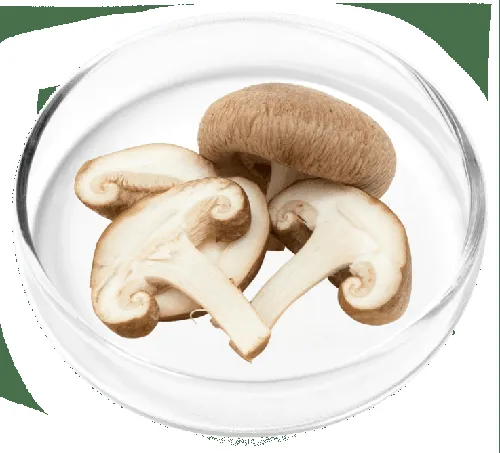
Ginkgo Biloba
Role: Enhances cerebral blood flow and microcirculation to the inner ear, improving oxygen and nutrient delivery vital for vestibular function and reducing dizziness.
120-240mg daily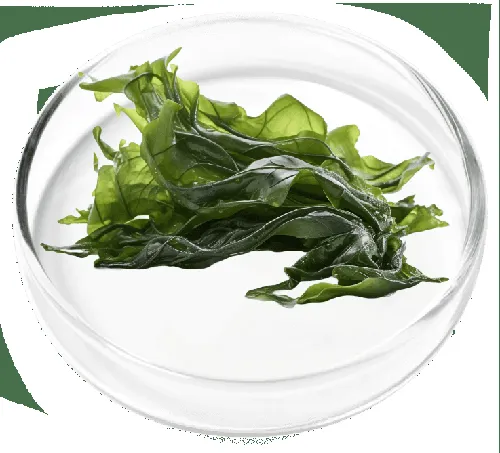
Magnesium
Role: Crucial for nerve function and muscle relaxation, it helps regulate neurotransmitters and prevent the neurological excitability associated with migraine attacks and vertigo.
200-400mg daily
Ginger Root
Role: A potent anti-inflammatory and anti-nausea agent, ginger can significantly reduce the severity of dizziness and associated stomach upset during vertigo episodes.
500-1000mg daily
Riboflavin (Vitamin B2)
Role: Essential for cellular energy production (ATP) in the brain. High doses have been shown to reduce migraine frequency by improving mitochondrial function.
200-400mg daily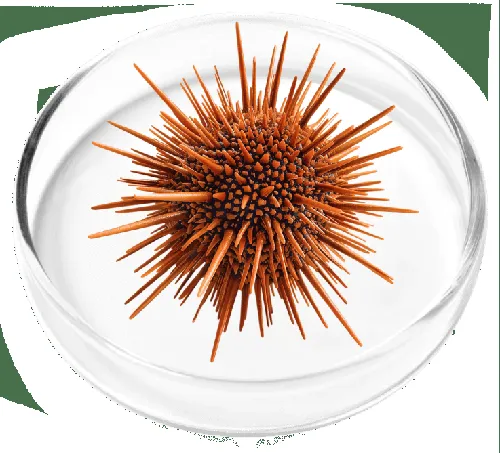
Coenzyme Q10 (CoQ10)
Role: A powerful antioxidant and key component in the electron transport chain, CoQ10 supports mitochondrial health and energy metabolism, crucial for preventing migraine onset.
100-300mg daily
Vitamin D
Role: Supports immune function and neurological health. Deficiency has been linked to various balance issues and may play a role in migraine pathology.
1000-5000 IU daily
Feverfew
Role: Traditionally used for migraine prevention, Feverfew helps reduce inflammation and inhibit serotonin release, which can contribute to migraine pathways.
50-125mg daily
Butterbur
Role: Contains compounds that may reduce inflammation and spasms in blood vessels, offering significant benefits in preventing migraine headaches and associated symptoms.
50-75mg dailyIntegrating Vertiaide into Your Vestibular Migraine Management Plan
Vertiaide is designed to be a supportive component of a broader, holistic strategy for managing vestibular migraine. It's not a standalone cure, but a powerful natural tool to enhance your overall well-being and reduce the impact of MAV/VM.
When considering Vertiaide, it's important to view it as part of a comprehensive strategy, not a magic bullet. The most effective approach to managing migraine-associated vertigo involves a combination of factors: a migraine-friendly diet, consistent stress management, adequate sleep, regular exercise, and consultation with your healthcare provider. Vertiaide's blend of natural ingredients is specifically chosen to complement these efforts, providing targeted nutritional support that can be challenging to achieve through diet alone.
The ingredients in Vertiaide work synergistically. For example, the magnesium and riboflavin support cellular energy and nerve stability, while ginger and ginkgo biloba help with circulation and acute symptom relief. This multi-faceted action can contribute to a reduction in the frequency and intensity of VM episodes, helping you feel more balanced and less prone to debilitating dizziness. Many users report a noticeable improvement in their quality of life, experiencing fewer severe attacks and a greater sense of control over their condition.
Consistency is key when using any natural supplement. It often takes several weeks or even months for the body to respond fully to nutritional support. Therefore, patience and regular intake as directed are crucial for optimal results. Always discuss any new supplement with your doctor, especially if you are on existing medications, to ensure there are no contraindications and that it aligns with your overall health plan. Vertiaide aims to empower you with a natural option, giving you another tool in your arsenal against the challenges of vestibular migraine.
Experience the Natural Difference with Vertiaide
Don't let vestibular migraine dictate your life any longer. Vertiaide offers a powerful blend of natural ingredients designed to support your vestibular system, reduce dizziness, and improve your overall balance. Reclaim your stability and confidence with a supplement trusted by many.
- ✓ Targeted support for vestibular health
- ✓ Helps reduce migraine-associated vertigo
- ✓ Formulated with clinically-backed natural ingredients
- ✓ Non-habit forming and gentle on the system
- ✓ Manufactured in the USA in a GMP certified facility




What Our Customers Say About Vertiaide
"I've battled vestibular migraines for years, and nothing seemed to help until Vertiaide. The constant swaying and nausea have significantly decreased. I feel more stable and can actually enjoy my day again. It's truly been a game-changer!"
"My neurologist suggested exploring natural options alongside my current treatment, and I found Vertiaide. The combination of ingredients seems to have a calming effect on my system. My vertigo attacks are less frequent and less severe. I'm so grateful!"
"I was skeptical at first, but after a month of taking Vertiaide, I noticed a remarkable difference in my daily dizziness. It's not a miracle cure, but it has definitely improved my balance and reduced the debilitating impact of my migraine-associated vertigo."
Frequently Asked Questions
What is vestibular migraine, and how does it differ from regular migraine?
+Vestibular migraine (VM), also known as migraine-associated vertigo (MAV), is a neurological disorder characterized by recurrent episodes of vertigo or dizziness in people with a history of migraine. Unlike regular migraine, the prominent symptom is vestibular (balance-related) rather than headache, though headaches can occur simultaneously or separately. It involves a dysfunction in the brain's vestibular pathways, leading to sensations of spinning, swaying, or unsteadiness.
Can lifestyle changes really help manage vestibular migraine?
+Absolutely. Lifestyle modifications are a cornerstone of managing vestibular migraine. This includes identifying and avoiding trigger foods (e.g., caffeine, aged cheeses, processed meats), maintaining a regular sleep schedule, managing stress through techniques like meditation or yoga, and engaging in consistent, moderate exercise. These changes can significantly reduce the frequency and intensity of VM episodes.
What natural supplements are often recommended for migraine-associated vertigo?
+Several natural supplements have shown promise in supporting individuals with migraine-associated vertigo. Key examples include Magnesium (known for its role in neurological function), Riboflavin (Vitamin B2, which aids cellular energy production), Coenzyme Q10 (an antioxidant important for mitochondrial health), and certain herbs like Ginger and Ginkgo Biloba, which may help with circulation and nausea. Always consult a healthcare professional before starting any new supplement.
Is Vertiaide a cure for vestibular migraine?
+Vertiaide is a natural dietary supplement formulated to support vestibular health and help manage symptoms of vertigo and imbalance, including those associated with vestibular migraine. It is not a cure for vestibular migraine, which is a complex neurological condition. Instead, it is designed to be part of a holistic management plan, complementing lifestyle changes and medical advice by providing targeted nutritional support.
How long does it take to see results from natural treatments like Vertiaide?
+The timeframe for experiencing results from natural treatments, including supplements like Vertiaide, can vary significantly among individuals. Some people may notice improvements within a few weeks, while for others, it might take several months of consistent use to observe significant changes in the frequency or severity of vestibular migraine symptoms. It's crucial to maintain consistency and combine it with other recommended lifestyle adjustments.
Should I consult a doctor before trying natural treatments for vestibular migraine?
+Yes, it is highly recommended to consult a board-certified neurologist or a healthcare professional specializing in vestibular disorders before starting any new natural treatment, including supplements. They can provide an accurate diagnosis, rule out other serious conditions, and ensure that any natural remedies or supplements you consider are safe and appropriate for your specific health situation, especially if you are taking other medications.
Related Articles