Could Your Salt Intake Be Fueling Your Meniere's Vertigo?
For millions worldwide, Meniere's disease presents a challenging reality, characterized by unpredictable and often debilitating episodes of vertigo, tinnitus, hearing loss, and a sensation of fullness in the ear. The search for effective management strategies is ongoing, and one of the most consistently discussed, yet sometimes misunderstood, factors is dietary sodium.
Understanding the intricate relationship between the salt we consume and the delicate fluid balance within our inner ear is paramount. Recent research and clinical observations increasingly highlight how managing sodium intake can significantly influence the frequency and severity of Meniere's disease vertigo attacks, offering a tangible path towards greater control and improved quality of life.
Understanding Meniere's Disease: More Than Just Dizziness
Meniere's disease is a chronic and progressive condition affecting the inner ear, a complex labyrinth responsible for both hearing and balance. It's not merely a fleeting sensation of dizziness; it's a profound disruption that can severely impact an individual's quality of life.
The hallmark symptoms of Meniere's disease typically include episodic vertigo (a spinning sensation), fluctuating hearing loss (often in one ear), tinnitus (ringing, buzzing, or roaring in the ear), and a feeling of aural fullness or pressure within the affected ear. These symptoms often occur in unpredictable attacks, which can last anywhere from 20 minutes to several hours, leaving individuals exhausted and disoriented. The exact cause of Meniere's disease remains elusive, but it is widely associated with a build-up of fluid in the inner ear, a condition known as endolymphatic hydrops.
The inner ear houses two main fluid-filled compartments: the bony labyrinth and the membranous labyrinth. Within the membranous labyrinth is a fluid called endolymph, which plays a critical role in transmitting sound vibrations and detecting head movements. When there's an excessive accumulation of endolymph, it distends the membranous labyrinth, disrupting the delicate sensory cells responsible for sending accurate signals to the brain. This disruption is what is believed to trigger the classic symptoms of Meniere's disease.
The Intricate Dance of Fluid and Sodium in Your Inner Ear
To truly grasp the impact of salt on Meniere's, we must delve deeper into the physiology of the inner ear and its reliance on precise fluid dynamics. The endolymphatic sac and duct are central to regulating the volume and pressure of endolymph.
The body's overall fluid balance is intricately linked to sodium levels. When you consume sodium, your body retains water to maintain a specific concentration of sodium in your blood. This is a fundamental physiological mechanism. However, in individuals predisposed to or suffering from Meniere's disease, this systemic fluid retention can have a disproportionate effect on the already compromised inner ear. An increase in systemic fluid volume can translate into an increase in endolymphatic pressure, worsening the hydrops and heightening the risk of a Meniere's attack.
Think of it like a balloon that is already overinflated. Even a small additional puff of air can push it to its breaking point. Similarly, even modest fluctuations in fluid balance, heavily influenced by sodium, can trigger significant symptoms in a Meniere's ear. This is why a consistent and careful approach to dietary sodium is not just a recommendation but often a cornerstone of effective Meniere's management.
💡 Key Takeaway
A low-sodium diet is a cornerstone of Meniere's disease management, directly impacting inner ear fluid balance and reducing the frequency and intensity of vertigo attacks. Careful attention to dietary choices, especially hidden sodium in processed foods, is crucial for symptom control.
Scientific Consensus: How Sodium Exacerbates Meniere's Symptoms
The link between sodium intake and Meniere's disease isn't anecdotal; it's supported by decades of clinical observation and scientific research. While not every individual with Meniere's responds identically to sodium restriction, a significant majority report improvement.
Early studies and clinical practice guidelines have long advocated for a low-sodium diet as a primary non-pharmacological intervention for Meniere's disease. The rationale is straightforward: by reducing dietary sodium, the body retains less water, which in turn helps to reduce the overall fluid volume, including the endolymphatic fluid in the inner ear. This reduction in fluid pressure can alleviate the distension of the membranous labyrinth and thereby mitigate the symptoms of vertigo, tinnitus, and aural fullness.
A typical recommendation for Meniere's patients is to limit daily sodium intake to 1,500 to 2,000 milligrams (mg). To put this into perspective, the average American consumes around 3,400 mg of sodium per day, often without realizing it. This stark difference highlights the significant dietary adjustments required for effective management. Adhering to such a diet requires vigilance and a deep understanding of food sources, as much of the sodium in our diets is "hidden."
While research continues to explore the precise mechanisms and individual variabilities, the consensus among otolaryngologists and vestibular specialists is clear: a disciplined low-sodium diet is a powerful tool in the arsenal against Meniere's disease vertigo. It's a commitment that can yield substantial benefits in terms of symptom control and quality of life.
Mastering a Low-Sodium Lifestyle: Practical Strategies
Embarking on a low-sodium diet for Meniere's disease can seem daunting at first, but with knowledge and consistent effort, it becomes a manageable and empowering part of your health regimen. Here are key strategies to help you effectively reduce your sodium intake:
Become a Label Reading Expert
The vast majority of sodium in our diets comes from processed and packaged foods, not the salt shaker. Always check the nutrition facts label for sodium content. Look for terms like "low sodium" (140 mg or less per serving), "reduced sodium" (at least 25% less sodium than the regular product), or "no salt added." Be aware that even products labeled "healthy" or "natural" can be high in sodium.
Prioritize Home Cooking and Fresh Ingredients
Cooking meals from scratch gives you complete control over ingredients, especially sodium. Opt for fresh fruits, vegetables, lean meats, and whole grains. Use fresh herbs, spices, lemon juice, vinegar, garlic, and onions to add flavor without relying on salt. Experiment with new recipes that naturally feature low-sodium ingredients.
Beware of Hidden Sodium Sources
Sodium lurks in unexpected places. Common culprits include canned soups, broths, frozen dinners, deli meats, sausages, cheeses, breads, rolls, salad dressings, sauces (like soy sauce, BBQ sauce, ketchup), pickles, and even some breakfast cereals and baked goods. Fast food and restaurant meals are also notorious for their high sodium content. Make informed choices and ask for low-sodium options when dining out.
Gradually Reduce Your Salt Intake
If you're accustomed to a high-sodium diet, suddenly cutting it out can make food taste bland. Gradually reducing salt allows your taste buds to adjust. Over time, you'll likely find that you prefer foods with less salt and become more sensitive to naturally occurring flavors. Patience and persistence are key to making this dietary change sustainable.
Stay Hydrated with Water
While sodium causes fluid retention, proper hydration is still essential for overall health and can support kidney function in regulating electrolytes. Drink plenty of plain water throughout the day. Avoid sugary drinks, excessive caffeine, and alcohol, as these can sometimes act as diuretics or disrupt fluid balance, potentially impacting Meniere's symptoms.
Beyond Sodium: A Holistic Approach to Meniere's Management
While dietary sodium management is critical, it's part of a broader, holistic strategy for living well with Meniere's disease. Addressing other lifestyle factors can significantly contribute to reducing symptom frequency and severity, and improving overall well-being.
Stress Management
Stress is a well-documented trigger for Meniere's attacks. Incorporating stress-reducing practices like meditation, deep breathing exercises, yoga, or spending time in nature can help calm the nervous system and potentially reduce the incidence of vertigo episodes. Finding healthy coping mechanisms for daily stressors is paramount.
Adequate Sleep
A consistent sleep schedule and sufficient rest are vital for overall health and can play a role in managing chronic conditions. Sleep deprivation can heighten stress and inflammation, potentially making Meniere's symptoms worse. Aim for 7-9 hours of quality sleep per night to support your body's restorative processes.
Regular, Moderate Exercise
Physical activity can improve circulation, reduce stress, and enhance overall balance. While intense exercise might be challenging during an active Meniere's attack, incorporating gentle activities like walking, swimming, or tai chi into your routine can be highly beneficial. Always listen to your body and consult your doctor about suitable exercises.
Limit Caffeine and Alcohol
Both caffeine and alcohol can affect fluid balance and blood flow, and some individuals find they exacerbate Meniere's symptoms. While not a universal trigger, it's often recommended to reduce or eliminate these substances to see if it brings relief. Pay attention to your body's reaction to these stimulants.
Nutritional Support and Supplements
Beyond sodium restriction, a balanced diet rich in fruits, vegetables, and whole foods provides essential nutrients. Some individuals explore specific supplements that support inner ear health, such as certain vitamins, minerals, and herbal extracts. For instance, there's growing interest in the connection between Vitamin D deficiency and vertigo. Always discuss any supplement regimen with your healthcare provider. For more general guidance, explore natural vertigo relief remedies.
Vestibular Rehabilitation Therapy (VRT)
For some, VRT, guided by a specialized physical therapist, can help the brain compensate for inner ear dysfunction. These exercises can improve balance, reduce dizziness, and enhance overall stability, making daily activities more manageable. VRT is often a key component of long-term Meniere's management.
Supporting Your Inner Ear Health with Vertiaide's Natural Blend
While dietary modifications like a low-sodium diet are foundational for Meniere's management, many individuals seek additional support to optimize their inner ear health and alleviate persistent symptoms. Vertiaide offers a thoughtfully crafted blend of natural ingredients, each selected for its potential role in supporting vestibular function, promoting healthy circulation, and maintaining fluid balance.
Ginkgo Biloba
Role: Known for its ability to improve blood circulation, especially to the brain and inner ear. Enhanced blood flow can support the health of delicate inner ear structures and potentially aid in fluid regulation. It also possesses antioxidant properties.
Typical dosage: 120-240mg daily
Ginger Root
Role: A traditional remedy for nausea and motion sickness, ginger has powerful anti-inflammatory properties. It can help calm the stomach during vertigo attacks and may contribute to reducing overall inflammation within the body, including the inner ear.
Typical dosage: 1-2g daily
Vitamin D
Role: Emerging research suggests a link between Vitamin D deficiency and certain types of vertigo, particularly BPPV. It plays a role in calcium regulation, which is vital for the otoconia (calcium carbonate crystals) in the inner ear involved in balance. Adequate levels are crucial for overall vestibular health.
Typical dosage: 1000-4000 IU daily
Magnesium
Role: An essential mineral involved in over 300 biochemical reactions, including nerve function and muscle relaxation. Magnesium deficiency has been linked to various neurological symptoms, and it may help regulate neurotransmitters and blood flow, supporting inner ear health and reducing muscle tension often associated with vertigo.
Typical dosage: 200-400mg daily
Coenzyme Q10 (CoQ10)
Role: A powerful antioxidant and a vital component in cellular energy production. It supports mitochondrial function, which is crucial for the high energy demands of the inner ear's sensory cells. CoQ10 can help protect these cells from oxidative damage and improve their overall function.
Typical dosage: 100-200mg daily
Bacopa Monnieri
Role: An adaptogenic herb traditionally used to enhance cognitive function and reduce stress. By helping the body manage stress more effectively, Bacopa Monnieri can indirectly support Meniere's patients, as stress is a common trigger for vertigo attacks.
Typical dosage: 300-450mg daily
Rhodiola Rosea
Role: Another potent adaptogen that helps the body adapt to physical, chemical, and environmental stress. It can improve energy levels, reduce fatigue, and enhance mental clarity, offering broad support for individuals dealing with the chronic stress of Meniere's disease.
Typical dosage: 200-600mg daily
Zinc
Role: An essential trace mineral critical for immune function, cell growth, and repair. It also plays a role in sensory perception, including hearing. Adequate zinc levels are important for maintaining the integrity and function of inner ear structures and supporting overall health.
Typical dosage: 10-25mg dailyVertiaide is designed to be a complementary part of your Meniere's management plan, working alongside dietary changes and lifestyle adjustments. By nurturing your body's natural balance, it aims to provide relief and help you regain control over your life. Many users have found significant benefits, as you can read in our Vertiaide reviews: real results.
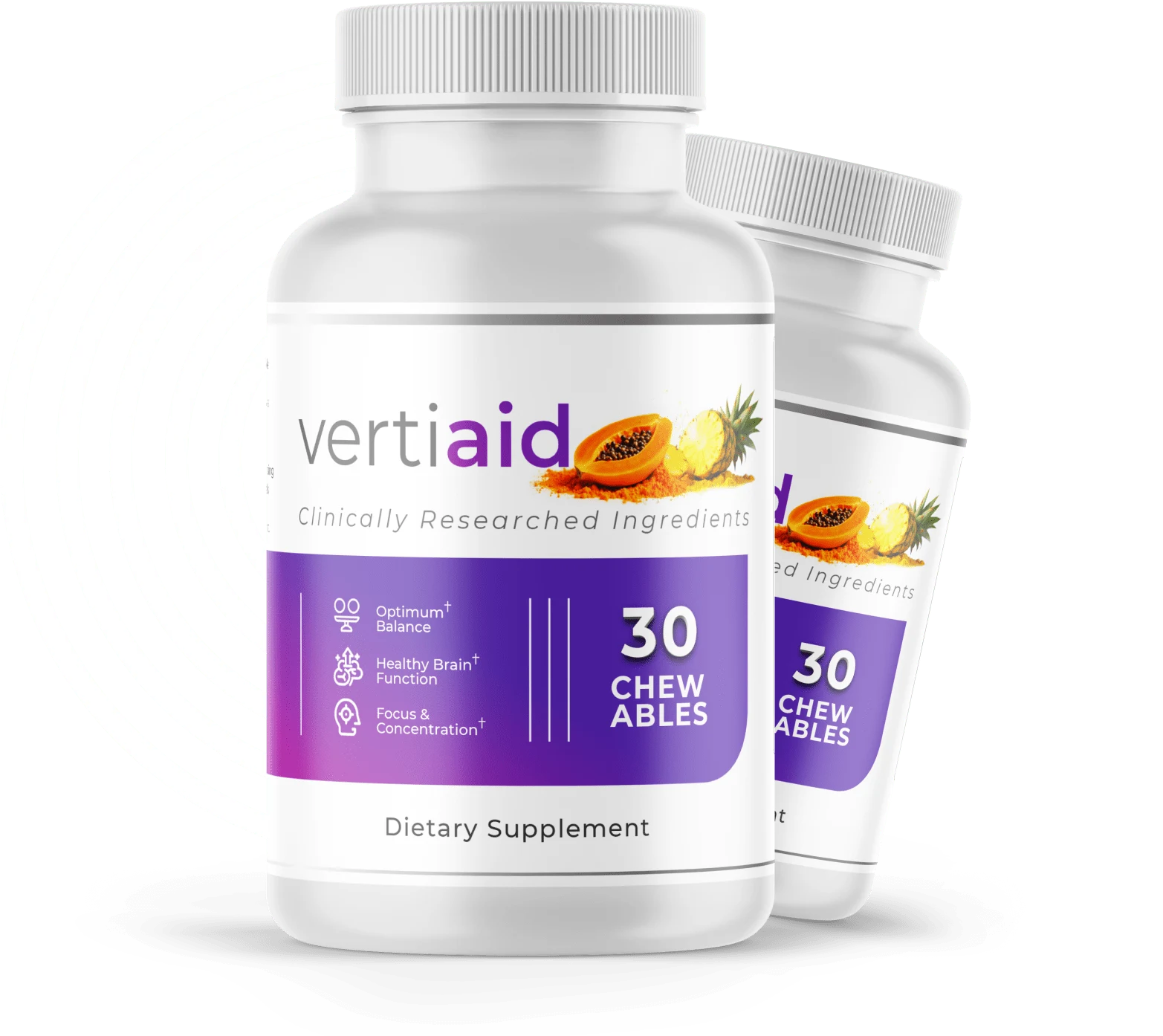
Regain Your Balance and Clarity with Vertiaide
Don't let Meniere's disease control your life. Vertiaide is a natural, scientifically-backed supplement designed to support inner ear health, improve fluid balance, and reduce the debilitating symptoms of vertigo, tinnitus, and dizziness. Take the first step towards a calmer, more stable you.
- Supports healthy inner ear fluid balance
- Reduces frequency and intensity of vertigo attacks
- Alleviates tinnitus and aural fullness
- Promotes overall vestibular system health
- Made with 100% natural, non-GMO ingredients




What Our Customers Are Saying
"After years of debilitating Meniere's attacks, Vertiaide has been a game-changer. My vertigo episodes are less frequent and less intense. I feel like I'm finally getting my life back!"
"I was skeptical, but the improvement in my balance and reduction in ear fullness since starting Vertiaide is remarkable. Combined with my low-sodium diet, I feel much more stable."
"The constant ringing in my ears has significantly decreased, and the vertigo attacks are much milder. Vertiaide has truly made a difference in my daily comfort and confidence."
Frequently Asked Questions
How does sodium affect Meniere's disease?
+Sodium intake directly influences fluid balance in the body, including the delicate fluid (endolymph) within the inner ear. In Meniere's disease, an excess of this fluid (endolymphatic hydrops) is believed to cause symptoms. High sodium can lead to increased fluid retention, potentially exacerbating hydrops and triggering or worsening vertigo attacks, tinnitus, and aural fullness.
What is a safe daily sodium limit for Meniere's patients?
+While individual recommendations can vary, many healthcare providers and ear specialists suggest limiting daily sodium intake to between 1,500 and 2,000 milligrams (mg) for Meniere's patients. This is significantly lower than the average Western diet. It's crucial to consult with your doctor or a registered dietitian to determine the most appropriate sodium target for your specific condition and health needs.
Are there 'hidden' sources of sodium I should be aware of?
+Absolutely. Most of the sodium we consume comes not from the salt shaker, but from processed and prepared foods. Common culprits include canned soups, frozen meals, deli meats, cheeses, breads, condiments (ketchup, soy sauce), salad dressings, fast food, and even some seemingly healthy snacks. Always read food labels carefully and look for 'low sodium' or 'no salt added' options. Cooking at home from scratch is one of the best ways to control sodium intake.
Besides diet, what other factors can help manage Meniere's vertigo?
+Managing Meniere's disease often requires a multifaceted approach. Beyond a low-sodium diet, other beneficial strategies include stress reduction techniques (meditation, yoga), ensuring adequate sleep, regular moderate exercise, avoiding caffeine and alcohol (which can be diuretics and affect fluid balance), and staying well-hydrated with water. Some individuals also find relief through specific vestibular rehabilitation exercises or natural supplements designed to support inner ear health.
How can Vertiaide complement a low-sodium diet for Meniere's?
+Vertiaide is formulated with a blend of natural ingredients known for their potential to support overall vestibular health, improve circulation, reduce inflammation, and help manage fluid balance in the inner ear. While it is not a substitute for a low-sodium diet, Vertiaide can work synergistically by providing additional nutritional support that may help reduce the frequency and intensity of vertigo attacks, alleviate tinnitus, and promote a greater sense of balance and well-being. Always consult your doctor before adding new supplements.
Is Vertiaide safe to take with other medications?
+Vertiaide is made from natural ingredients, but as with any supplement, it's essential to consult with your healthcare provider before combining it with prescription medications, especially if you are taking blood thinners, blood pressure medication, or have pre-existing medical conditions. Your doctor can assess potential interactions and ensure that Vertiaide is a safe and appropriate addition to your current health regimen.
Related Articles