Are you tired of the world spinning around you, or constantly feeling off-kilter?
Vertigo and balance disorders can be debilitating, turning simple daily tasks into monumental challenges. The constant sensation of dizziness, lightheadedness, or instability can severely impact your quality of life, making you feel isolated and anxious about everyday movements.
While various factors contribute to these complex conditions, emerging research highlights the profound impact of nutrition. Many individuals suffering from persistent dizziness and balance issues may unknowingly be battling underlying nutritional deficiencies that directly affect inner ear function and neurological stability.
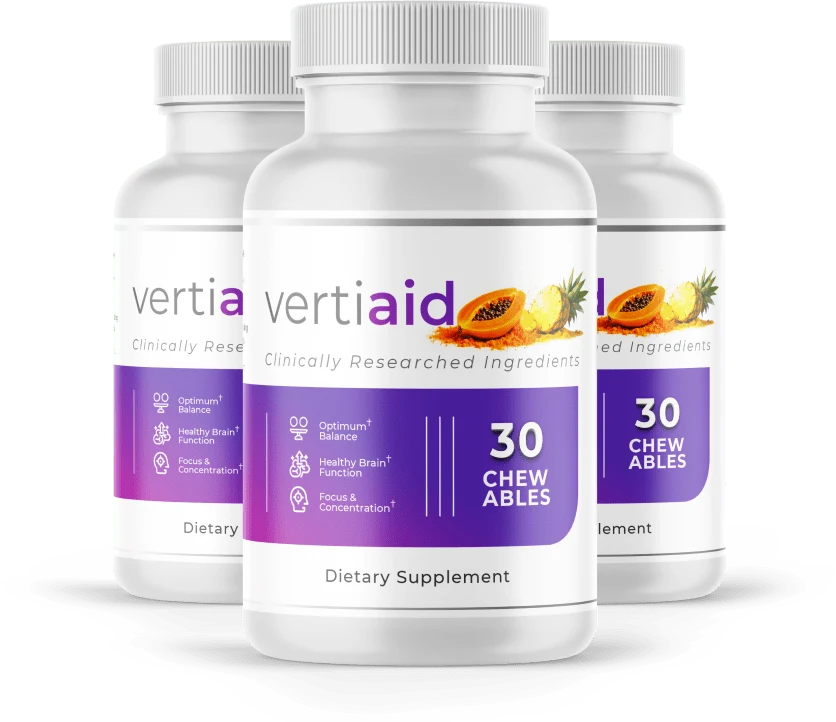
The Intricate World of Your Inner Ear: A Master of Balance
Your inner ear is a marvel of biological engineering, a tiny labyrinth responsible for both hearing and, crucially, your sense of balance. It houses the vestibular system, a complex network of fluid-filled canals and sacs that detect head movements and gravity, sending vital signals to your brain to maintain stability.
When this delicate system is disrupted, the consequences can be profound. Conditions like Benign Paroxysmal Positional Vertigo (BPPV), Meniere's disease, vestibular neuritis, and labyrinthitis are all rooted in inner ear dysfunction, leading to symptoms ranging from mild dizziness to severe, debilitating vertigo. The impact extends beyond physical discomfort, often causing anxiety, reduced mobility, and a significant drop in overall quality of life. Understanding the intricate workings of this system is the first step towards finding effective relief and regaining control over your balance.
The vestibular system relies on a constant flow of precise information. Tiny hair cells within the semicircular canals and otolithic organs (utricle and saccule) convert motion into electrical signals. These signals are then transmitted via the vestibular nerve to the brainstem, cerebellum, and cerebral cortex, where they are integrated with visual and proprioceptive (body position) information to create a coherent sense of spatial orientation. Any disruption in this pathway – from the fluid dynamics of the inner ear to the integrity of the nerve signals – can lead to a sensation of imbalance or vertigo. This is why maintaining the health of these structures is paramount for consistent balance.
💡 Key Takeaway
Your inner ear's vestibular system is the primary control center for balance. Its delicate structures require specific nutrients to function optimally, and deficiencies can significantly contribute to vertigo and balance disorders.
Beyond the Spin: How Nutrition Impacts Your Balance
While inner ear problems are often attributed to mechanical issues or infections, a growing body of scientific evidence points to the critical role of nutrition in supporting vestibular health. Just as your heart or brain needs specific nutrients to thrive, so too does your inner ear. Deficiencies in certain vitamins and minerals can compromise nerve function, affect fluid balance, weaken delicate structures, and even contribute to inflammation within this vital organ.
For instance, the tiny calcium carbonate crystals (otoconia) in your inner ear, which are crucial for detecting linear acceleration and gravity, are highly dependent on calcium and vitamin D metabolism. If these nutrients are lacking, the otoconia can become dislodged or malformed, contributing to conditions like BPPV. Similarly, nerve health, essential for transmitting accurate balance signals to the brain, relies heavily on B vitamins and antioxidants. Without adequate nutritional support, the inner ear's ability to maintain equilibrium can be severely compromised, leading to chronic or recurrent balance issues.
Moreover, the inner ear is highly susceptible to oxidative stress and inflammation, which can damage its delicate hair cells and nerve endings. Antioxidant vitamins like Vitamin C and E, along with minerals like zinc and selenium, play a protective role, neutralizing harmful free radicals and reducing inflammatory responses. Ensuring a robust supply of these protective nutrients can help safeguard the inner ear from damage and support its long-term function. A comprehensive approach to managing balance disorders must therefore consider the foundational impact of diet and targeted supplementation.
Key Vitamins and Minerals for a Stable Vestibular System
Let's delve into the specific nutrients that are instrumental in maintaining inner ear health and preventing or alleviating vertigo and balance disorders. Understanding their individual roles can empower you to make informed dietary and supplementation choices.
B Vitamins (B6, B9/Folate, B12)
These essential vitamins are crucial for nerve health and neurotransmitter function. Vitamin B6 helps produce serotonin and norepinephrine, which influence mood and nerve signaling. B12 and folate are vital for myelin sheath formation, protecting nerves, and preventing neurological symptoms like dizziness and neuropathy. Deficiencies are often linked to balance problems and can exacerbate vertigo.
Magnesium
Magnesium is involved in over 300 biochemical reactions in the body, including nerve transmission, muscle contraction, and blood sugar control. For the inner ear, it helps regulate ion channels, which are essential for fluid balance and electrical signaling. Magnesium deficiency can lead to spasms, headaches, and dizziness, making it a critical nutrient for vestibular stability.
Vitamin D
Often called the "sunshine vitamin," Vitamin D plays a crucial role in calcium absorption and bone health. Recent research has strongly linked Vitamin D deficiency to BPPV, as it affects the health and stability of the otoconia (calcium crystals) in the inner ear. Adequate Vitamin D levels are therefore vital for maintaining the structural integrity of your balance organs.
Zinc
This trace mineral is a powerful antioxidant and immune booster. It's also found in high concentrations in the inner ear, where it supports the health of hair cells and helps maintain the proper composition of endolymphatic fluid. Zinc deficiency can impair immune responses and contribute to inflammation, potentially affecting inner ear function and contributing to balance issues.
Ginkgo Biloba
While not a vitamin or mineral, this herbal extract is widely recognized for its ability to improve blood circulation, particularly to the brain and inner ear. Enhanced blood flow ensures that the vestibular system receives adequate oxygen and nutrients, which can be crucial for reducing dizziness and improving cognitive function related to balance. Its antioxidant properties also offer protective benefits.
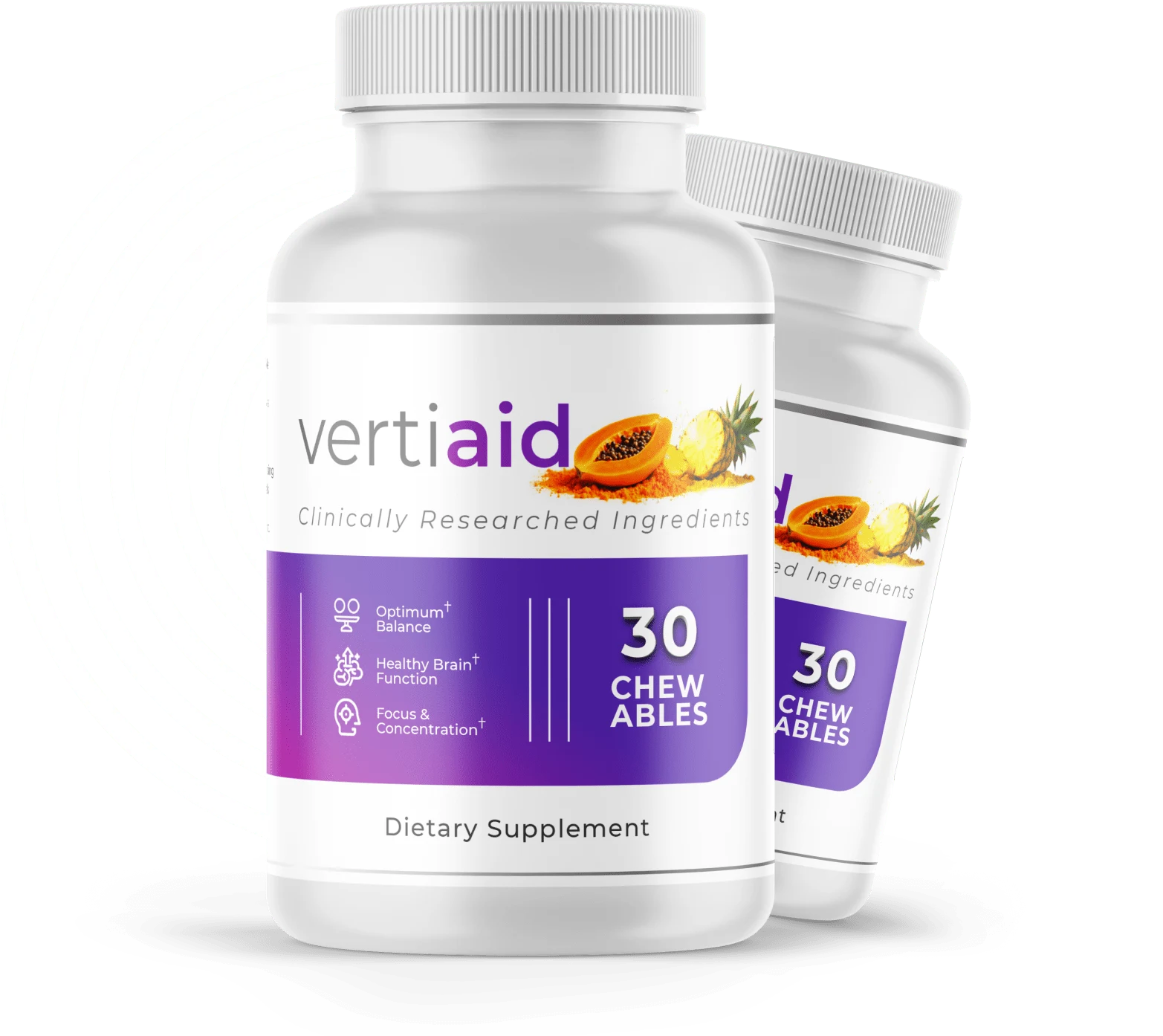
inner ear supporting nutrients can help.
Beyond Supplementation: Holistic Approaches to Balance
While targeted nutritional support is a powerful tool, a holistic approach combining several strategies offers the most comprehensive path to improved inner ear health and balance. It's about creating an environment where your body can thrive and naturally restore equilibrium.
One crucial aspect is hydration. The inner ear relies on precise fluid balance (endolymph) for its proper function. Dehydration or excessive sodium intake can disrupt this balance, leading to symptoms like those experienced in Meniere's disease. Ensuring you drink plenty of water throughout the day, and limiting processed foods high in sodium, can significantly support inner ear fluid regulation. For more detailed insights into dietary adjustments, you might find our article on Diet Changes for Inner Ear Fluid Balance particularly helpful.
Regular, gentle exercise, especially activities that challenge and retrain your balance system, is also highly beneficial. Practices like Tai Chi, yoga, or specific vestibular rehabilitation exercises (VRT) can improve proprioception, strengthen core muscles, and help your brain better interpret balance signals. Even simple daily walks can make a difference. Furthermore, managing stress through mindfulness, meditation, or deep breathing techniques can reduce the physiological impact of anxiety, which often exacerbates vertigo symptoms. A less stressed body is better equipped to heal and maintain its natural equilibrium.
Understanding Common Triggers and Lifestyle Adjustments
Stress Management
High stress levels can exacerbate vertigo and dizziness. Chronic stress impacts the nervous system and can trigger or worsen vestibular symptoms. Incorporating relaxation techniques like meditation, deep breathing, and gentle yoga can significantly reduce stress and improve overall balance stability.
Hydration & Diet
Proper hydration is crucial for maintaining inner ear fluid balance. Dehydration can lead to electrolyte imbalances that affect the vestibular system. A balanced diet, low in sodium, caffeine, and alcohol, can prevent fluid fluctuations and support overall neurological health. Avoiding processed foods is also key.
Quality Sleep
Lack of sleep or disrupted sleep patterns can negatively impact balance and increase the frequency or intensity of vertigo episodes. Establishing a consistent sleep schedule and ensuring 7-9 hours of quality rest per night allows the body and brain to repair and reset, promoting better equilibrium.
Physical Activity
Regular, gentle exercise can help retrain your balance system and strengthen supporting muscles. Activities like walking, Tai Chi, or specific vestibular rehabilitation exercises (VRT) are excellent for improving coordination and reducing the fear of falling, ultimately enhancing stability.
Vertiaide: A Synergistic Blend for Inner Ear & Balance Support
Recognizing the vital role of these nutrients, Vertiaide was formulated as a comprehensive solution to support inner ear health and improve balance. It combines a powerful blend of vitamins, minerals, and natural extracts, each chosen for its scientifically backed role in vestibular function and overall neurological well-being.

Ginkgo Biloba
Role: Enhances cerebral and inner ear blood flow, delivering vital oxygen and nutrients. Acts as a powerful antioxidant, protecting delicate inner ear structures from damage.
Typical Dose: 80-240mg daily
Magnesium
Role: Critical for nerve signal transmission and muscle function. Helps regulate neurotransmitters involved in balance and reduces nerve hyperexcitability, potentially easing dizziness.
Typical Dose: 200-400mg daily
Vitamin D
Role: Essential for calcium metabolism and bone health, directly impacting the stability and integrity of the otoconia (calcium crystals) in the inner ear, reducing BPPV risk.
Typical Dose: 1000-5000 IU daily
B Vitamins (B6, B12, Folate)
Role: Fundamental for healthy nerve function, neurotransmitter synthesis, and myelin sheath maintenance. Supports overall neurological stability and reduces symptoms of peripheral neuropathy that can affect balance.
Typical Dose: Varies by B vitamin
Zinc
Role: A potent antioxidant and immune modulator. Supports the health of inner ear hair cells and plays a role in maintaining the fluid balance essential for vestibular function.
Typical Dose: 15-30mg daily
Coenzyme Q10 (CoQ10)
Role: Boosts cellular energy production, particularly important for the high-energy demands of inner ear cells. Acts as a powerful antioxidant, protecting against oxidative damage.
Typical Dose: 100-200mg daily
Alpha-Lipoic Acid
Role: A universal antioxidant that helps regenerate other antioxidants like Vitamin C and E. Supports nerve health and function, crucial for accurate signal transmission from the inner ear to the brain.
Typical Dose: 300-600mg daily
Ginger Root
Role: Traditionally used to alleviate nausea and motion sickness. Its anti-inflammatory properties may also help reduce inflammation within the inner ear, providing symptomatic relief from dizziness and vertigo.
Typical Dose: 1000-2000mg dailyBy providing a carefully selected blend of these powerful ingredients, Vertiaide aims to address multiple facets of inner ear health and balance, offering comprehensive support for those seeking relief from vertigo and dizziness. This synergistic approach ensures that the vestibular system receives the full spectrum of nutrients it needs to function optimally.
Reclaim Your Stability with Vertiaide: Your Path to Better Balance
Don't let vertigo and balance issues control your life any longer. Vertiaide offers a meticulously crafted formula designed to provide your inner ear and vestibular system with the essential nutritional support it needs to function optimally.
- ✓ Supports healthy inner ear function
- ✓ Helps reduce feelings of dizziness and vertigo
- ✓ Enhances overall balance and stability
- ✓ Formulated with clinically studied vitamins, minerals, and herbs
- ✓ Made in the USA in a GMP-certified facility




The Path Forward: Taking Control of Your Balance
Living with vertigo and balance disorders can feel overwhelming, but understanding the role of nutrition and embracing a holistic approach offers a powerful pathway to reclaiming your stability and confidence. By providing your body with the right building blocks, you empower its natural healing processes.
Remember, while supplements like Vertiaide can provide targeted support, they are most effective when integrated into a broader strategy that includes a balanced diet, regular exercise, adequate hydration, and stress management. Consulting with your healthcare provider is always recommended to ensure any new supplement regimen aligns with your individual health needs and existing treatments. They can help you determine if nutritional deficiencies are contributing to your symptoms and guide you toward the most appropriate solutions.
Many individuals have found significant relief and improvement in their quality of life by addressing the nutritional roots of their balance issues. For example, some users have shared their experiences in our Vertiaide Reviews 2026, highlighting how targeted support has made a tangible difference. Taking proactive steps towards nourishing your inner ear and nervous system is an investment in your well-being, paving the way for a more stable, confident, and enjoyable life. Don't let dizziness dictate your days; explore the potential of comprehensive nutritional support today.
Real Stories, Real Results: Testimonials
"I've struggled with chronic dizziness for years, making simple tasks a challenge. Vertiaide has been a game-changer! After a few weeks, the constant spinning sensation reduced significantly, and I feel so much more stable. I can finally enjoy walks again."
"My doctor suggested looking into nutritional support for my balance issues. I found Vertiaide and decided to try it. I'm amazed by the difference. My morning dizziness is nearly gone, and I feel more confident on my feet. Highly recommend it for anyone dealing with similar problems."
"I was skeptical at first, but Vertiaide truly works. The blend of ingredients seems to target exactly what my inner ear needed. My episodes of vertigo have decreased in both frequency and intensity. It's given me a new lease on life, feeling less anxious about my balance."
Frequently Asked Questions
What are the primary causes of vertigo and balance disorders?
+Vertigo and balance disorders can stem from various causes, including issues within the inner ear (such as BPPV, Meniere's disease, or vestibular neuritis), neurological conditions, certain medications, head injuries, and even systemic problems like poor circulation or nutrient deficiencies. Identifying the root cause is crucial for effective management.
How do specific vitamins and minerals contribute to inner ear health and balance?
+Essential vitamins and minerals play vital roles. For example, B vitamins (especially B6 and B12) are critical for nerve function and myelin sheath integrity, which are vital for transmitting balance signals. Magnesium helps regulate neurotransmitters and muscle function, while Vitamin D is linked to the health of the otoconia (calcium crystals) in the inner ear. Zinc supports immune function and may protect inner ear structures. Antioxidants like CoQ10 and Alpha-Lipoic Acid combat oxidative stress, which can damage delicate inner ear cells. These nutrients collectively support nerve health, circulation, and cellular energy in the vestibular system.
Are there common nutritional deficiencies linked to an increased risk of balance problems?
+Yes, research suggests several deficiencies can impact balance. Vitamin D deficiency is highly prevalent and has been associated with BPPV and overall balance instability. Low levels of Vitamin B12 and folate can lead to neurological symptoms, including dizziness and gait disturbances. Magnesium deficiency can affect nerve and muscle function, potentially contributing to unsteadiness. Addressing these deficiencies through diet and supplementation can be an important part of managing balance disorders.
How long does it typically take to experience benefits from nutritional support for balance and vertigo?
+The timeline for experiencing benefits from nutritional support can vary widely depending on the individual, the severity of their condition, and the specific deficiencies being addressed. Some individuals may notice improvements within a few weeks, while for others, it might take several months of consistent supplementation to observe significant changes. It's important to remember that nutritional support works synergistically with other treatments and lifestyle adjustments, and patience is key.
Can Vertiaide be taken alongside other medications or existing health conditions?
+Vertiaide contains natural ingredients, but it is always crucial to consult with your healthcare provider before starting any new supplement, especially if you are currently taking medications or have pre-existing health conditions. Your doctor can assess potential interactions and ensure that Vertiaide is appropriate for your individual health needs. This ensures your safety and optimizes your treatment plan.
What complementary lifestyle changes can enhance the effects of vitamins and minerals for inner ear health?
+Alongside nutritional support, several lifestyle changes can significantly improve inner ear health and balance. These include maintaining a balanced diet rich in whole foods, staying adequately hydrated, regular exercise (especially balance-focused activities like Tai Chi or yoga), avoiding excessive caffeine, alcohol, and sodium, getting sufficient sleep, and managing stress effectively. Regular vestibular rehabilitation exercises prescribed by a physical therapist can also be highly beneficial.
Related Articles